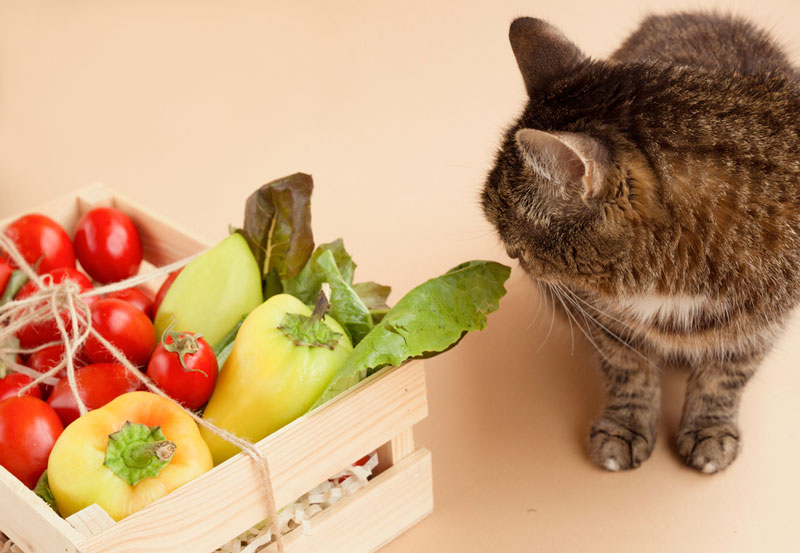
What veggies can our feline friends munch on without a worry in the world? You might be surprised to learn that cats can eat certain vegetables, but it’s not a free-for-all. While our whiskered companions are primarily carnivores, a few veggies here and there won’t hurt. In fact, some vegetables can even provide health benefits. So, let’s explore the delicious green world that our cats might find intriguing!
Just like us, cats can enjoy a variety of veggies that are both tasty and healthy. However, it’s super important to know which ones are safe and beneficial and which ones are risky for your furry sidekick. We’re all about keeping our pets happy and healthy, so this guide will help us make informed choices about the perfect plant-based treats for them. So hold on to your catnip; we’re about to embark on a vegetable adventure!
Stay glued to this page if you’re eager to discover what veggies our furry pals can eat. We’re going to break it down, so you feel confident in what you can add to their meals. Let’s get started!
You might also be interested in: Can Cats Eat Spinach?
What Veggies Can Cats Eat?

When we talk about veggies that cats can safely eat, we’re primarily focusing on those that are non-toxic and can even provide some nutritional value. Remember, while cats are obligate carnivores, they can sometimes enjoy a little plant matter. Here are some veggies that they can munch on:
Carrots: These crunchy delights are a great treat for cats, either cooked or raw. Carrots offer fiber and help with maintaining healthy teeth. Just ensure you cut them into small, manageable pieces to avoid choking.
Peas: Green peas are another veggie option for our whiskered pals. They are loaded with vitamins and can be a delightful addition to their meals. Whether fresh or frozen (and lightly cooked), peas can add a burst of sweetness that many cats enjoy.
Spinach: This leafy green is rich in iron and can be beneficial in small quantities. However, for cats with urinary issues, spinach should be given sparingly due to its calcium oxalate content. Always consult a vet before introducing it into your cat’s diet.
Squash: Zucchini or yellow squash can be included as well. They are low in calories and can be served cooked or raw. Cats generally enjoy the taste and texture.
Green Beans: These are a fantastic low-calorie treat that can be offered fresh or cooked. Many cats adore the crunch of green beans and they even provide some valuable minerals.
How Much Veggies Can Cats Eat?
Now that we’ve explored some of the safe vegetable options, let’s chat about how much of these veggies can we actually give to our cats. Portion size is key, especially since our feline friends have a differing metabolism compared to us. Vegetables should only make up a small part of their diet! Here’s how we can approach the quantity:
If you’re introducing any of these veggies, start with about a teaspoon or so of the veggie you’ve chosen. A small bite is enough to see how our furry little friends react to the taste and texture. Observe how they respond – if they seem intrigued and excited to munch it down, then you might have found a hit! If not, move on and try another option.
As we continue to add these veggies into our cats’ meals, remember that moderation is the name of the game. Too many can lead to digestive issues such as gas or upset tummies. Ideally, we can offer vegetables as an occasional treat or mixed sparingly into their regular food. This thoughtful balance prevents any potential tummy troubles while keeping our cats happy.
For those experiments in veggie offerings, once our kitties have shown an interest—let’s say they snatched the carrot right off our plate—we can gradually increase the serving. Perhaps we can go up to a tablespoon of veggies, but remember to stick to one type of vegetable at a time. Mixing them up might be tempting, but it could confuse their tummies!
It’s also a good idea to limit the veggie intake during special times like when they aren’t feeling well or are stressed—with all the fur flying around, we’re going to want to ensure they’re mostly eating their regular, balanced foods. Always check in with our veterinarians for tailored advice regarding treatment, especially if the vegetable consumption is new or during a health concern!
Benefits Of Veggies To Cats
1. Nutritional Powerhouse: Many veggies can provide essential vitamins and minerals. For example, carrots are rich in vitamin A, which can contribute to a healthy coat and improved vision. Green beans are a hit for their vitamin C and K content, contributing to a boost in overall health.
2. Dental Health: Crunchy veggies like carrots and green beans can help scrape plaque off our cats’ teeth, contributing to oral hygiene. Chewing on these nutritious options not only delights our cats but also helps prevent dental issues—talk about a win-win!
3. Weight Management: Cats can be crafty when it comes to cravings! Veggies can act as a filler to their diet without packing on the extra pounds. A little green goodness can make them feel full and satisfied without the added calories. This can be great for kitties who might be a bit on the heavier side.
4. Digestive Health: The fiber found in veggies can help with digestion. A little extra fiber is like having a personal trainer for our kitty’s tummy, keeping their insides in shape! It assists with bowel movements and can alleviate constipation.
5. Hydration: Many vegetables have high water content. Peas, zucchini, and cucumbers can help keep our cats hydrated, especially during the hot summer months. They’re like little juicy treats that keep hydration levels up without the fuss of a water bowl—pawsitively refreshing!
Dangers Of Feeding Veggies To Cats
Even though veggies can be beneficial for cats, it’s not all sunshine and rainbows. We should also keep an eye out for potential risks and dangers associated with certain veggies. Here are some that we need to be cautious about:
Onions and Garlic: These flavors might be tasty for humans, but they are a no-no for our furry friends. Onions and garlic can cause severe damage to red blood cells in cats, leading to potential poisoning. Signs to watch for include lethargy, vomiting, and diarrhea – and all these are reasons enough to keep them off our furry friend’s menu!
Tomatoes: Although ripe tomatoes might seem harmless, they belong to the nightshade family and can be toxic if consumed in large quantities. The green parts of the tomato plant can cause digestive upset and an overall feeling of discomfort. Always err on the side of caution with this one!
Potatoes: While cooked potatoes may not be outright harmful, they can lead to some tummy troubles. Raw potatoes are toxic and should never be given to cats. Avoid those french fries – they can be greasy and unhealthy!
Spinach Concerns: As beneficial as spinach can be, cats with urinary conditions should avoid it due to oxalates that can exacerbate those issues. A little bit can be fine, but moderation is vital!
Avocado: We may love our avocados, but for cats, they pose a risk. Contains a substance called persin that can be harmful in larger amounts. So, let’s keep those guacamole parties to ourselves!
Substitute Of Veggies For Cats
1. Carrot Sticks for Treats: Instead of high-calorie store-bought treats, consider introducing small carrot sticks as a playful snack! Pairing them with positive reinforcement can help our cats enjoy their new crunchy snacks, and it’s a more health-conscious choice.
2. Pureed Veggie Mix: Creating a smooth blend of veggies like peas and carrots can be a tasty mix to add to cat food. A reasonable amount can introduce those healthy nutrients without overly irritating kitty’s palate.
3. Homemade Broth: Making a veggie broth that focuses on cat-friendly veggies could be a great way to add flavor to their meals! Just ensuring we don’t include any harmful ingredients makes for an appetizing addition.
4. Veggie Muffins: Being creative in the kitchen could weigh in our favor! We can bake small, cat-friendly veggie muffins with healthy ingredients like peas, pumpkin, or spinach to be a fun treat they won’t resist.
5. Vegetable Rice: Creating a dish that combines rice with cat-friendly vegetables could be a delightful change from their ordinary meals. It can introduce new textures and tastes while providing valuable nutrients. How fun would it be to have a veggie rice party for our fur friends?
What Veggies Can Cats Eat? Frequently Asked Questions
Can My Cat Eat Broccoli?
Yes! Broccoli is safe for cats in moderation. A tiny portion can even provide some health benefits. Just ensure it’s cooked and chopped into manageable pieces.
Are Potatoes Safe For My Cat?
Cooked potatoes in small amounts can be fine, but raw potatoes are harmful and should definitely be avoided. Too many cooked potatoes can cause digestive issues.
Can Cats Eat Cucumber?
Absolutely! Cucumber is hydrating and can be chopped into small pieces. It can offer a refreshing crunch that our kitty’s might really enjoy.
How Do I Introduce New Veggies To My Cat’s Diet?
Start with small amounts of one veggie at a time. Observe your cat’s reaction and tummy. If everything seems down to okay, continue and adjust the portions as necessary.
Is It Okay To Make My Cat A Vegetarian?
No, due to their nutritional needs, they should consume mainly meat. While a tiny bit of veggies can be included, it’s crucial to keep their diet primarily meat-based for optimal health.
Final Thoughts
When it comes to adding veggies to our cats’ diets, a little exploration goes a long way! Making informed choices and understanding both the benefits and risks are essential components of providing a healthy lifestyle for our furry companions. Always remember to check with our vets before making significant changes to ensure our kitties remain safe and happy.
If you’ve enjoyed this veggie journey with us or have other furry friends who want tips, feel free to explore more topics! You could check out whether cats can eat chocolate at Can Cats Eat Green Apples?. Remember, sharing is caring when it comes to our furry friends!