Do you ever wonder what food can cats not eat? It’s a question every cat parent should ask! Cats are curious creatures and sometimes think they can eat whatever humans eat. However, there are specific foods that are downright dangerous for our feline friends. These include chocolate, onions, garlic, grapes, and certain artificial sweeteners, just to name a few. It’s crucial for us to know this because it helps keep our furry pals safe and healthy.
Having a furry companion means we all have to be extra careful about what we feed them. Our whiskered buddies depend on us to provide foods that are not only tasty but also safe. Some foods that humans enjoy can cause serious harm to cats. We need to keep our little furballs away from these harmful snacks to avoid any health risks. Remember, just because a food is safe for us, doesn’t mean it’s safe for our cats.
So, whether you’re a new cat owner or a seasoned pro, you’ll want to stay with us as we dig deeper into this topic. We will discuss what food is safe and what food can cats not eat, the potential risks, and some tasty alternatives. Let’s keep our feline friends healthy and happy together!
You might also be interested in: Human Foods That Cats Can Eat?
What Food Can Cats Not Eat?
There are several common human foods that cats should never eat. Chocolate is at the top of the list. While we may enjoy sweet treats like chocolate cookies or dark chocolate, it’s toxic to cats. Chocolate contains substances called theobromine and caffeine, which can lead to vomiting, diarrhea, and even heart problems if ingested. Even a small amount can cause problems, so keep the chocolate hidden away from curious paws.
Onions and garlic are another pair of offenders. Although these might add flavor to our meals, they contain compounds that can damage red blood cells in cats. This can result in anemia, which is a serious condition. Just as we need to watch our own diets, we must be aware that some culinary staples are harmful to our cats.
Then there are grapes and raisins. While we might think they are a sweet, healthy snack, they can lead to kidney failure in cats. Symptoms may include vomiting and lethargy, and in severe cases, grape or raisin consumption could be fatal. It’s best to keep these fruit items away from our little friends.
Also, dairy products like milk and cheese should be consumed in moderation. Many adult cats are lactose intolerant, which means that milk can upset their stomach and cause unpleasant digestive issues. Just think about it — would you want to give a delicious meal to someone who can’t enjoy it without feeling sick?
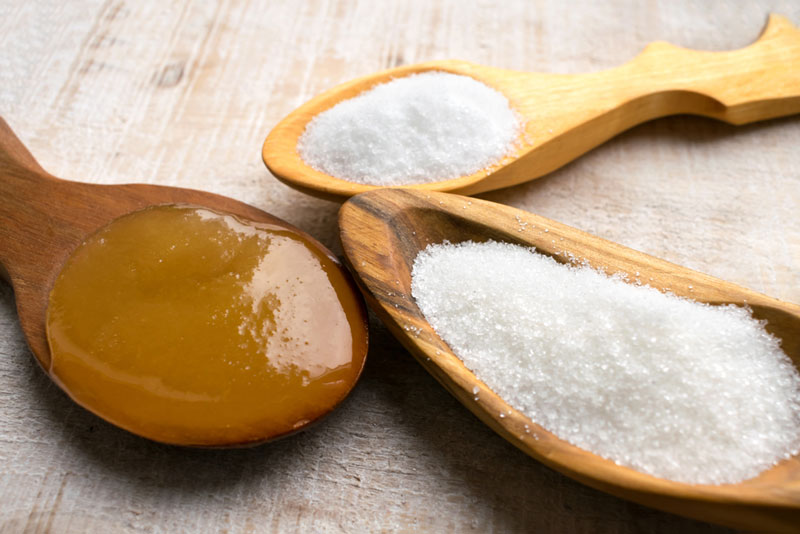
Then we have certain artificial sweeteners, especially xylitol, which is frequently found in sugar-free gum and candies. Xylitol can trigger insulin release in cats, leading to dangerously low blood sugar levels. This can cause symptoms like lethargy, seizures, and even liver failure. So, when reaching for that sugar-free snack, remember to keep it away from our furry buddies.
How Much Food Can Cats Not Eat?
Understanding how much of these harmful foods can affect our cats’ health is essential. While a tiny nibble may not cause immediate harm, regular exposure can lead to serious health issues. For example, even a small piece of chocolate may not have noticeable effects right away, but repeated exposure can build up toxins in your cat’s system.
When it comes to onions and garlic, even a small amount can be harmful. If a cat consumes enough over a few days, they may start to show signs of anemia. Symptoms like weakness, pale gums, and lethargy should never be taken lightly.
Grapes are the same. There’s no reliable amount that’s considered safe, and even a single grape can potentially lead to complications depending on the individual cat’s sensitivities. As we care for our pets, we must remember that every cat is different, and some may have more severe reactions than others.
Milk and dairy products also pose the question of quantity. Some kittens can tolerate milk, but as they grow into adulthood, many cats lose the enzyme needed to digest lactose properly. This means that even a small splash of cream can be too much for some.
So, in short, it’s not usually about “how much” of these foods are safe, but rather “none at all.” Prevention is always better than a cure. We don’t want to find out what happens when our cats indulge in these foods. It’s crucial to keep these harmful snacks away from our beloved pets.
Benefits Of Not Feeding Your Cats Food They Can Not Eat
1. By understanding what food our cats can’t eat, we empower ourselves to create a safe environment for them. Knowing these limits allows us to be better cat guardians.
2. Keeping our cats safe from harmful foods helps prevent serious health issues down the line. We know that avoiding risky snacks can lead to a happier, longer life for our furry companions.
3. Educating ourselves about cat nutrition also helps us appreciate what our pets do need. We can focus more on delicious, nutritious cat food that fuels their playful antics, gives them energy, and supports their overall health.
4. When we take the time to research what is safe for our cats, we can bond better through meal times. Figuring out what treats they love that are also safe fosters trust between us and reinforces our relationship.
5. Lastly, being informed cat owners makes us advocates for animal welfare. The more we know, the better we can educate others—friends, family, and the wider community—about cat safety and the importance of not feeding them dangerous foods.
Dangers Of Feeding Your Cats Food They Can Not Eat
Every finicky feline has the potential to nibble on something harmful! The risks are far greater than we may realize. Eating dangerous foods can bring about a plethora of health issues that might devastate a cat’s well-being.
Chocolate toxicity can lead to severe issues, including tremors, seizures, and even death. The severity of symptoms depends on the cat’s size and the type of chocolate consumed. Bitter dark chocolate is more dangerous than milk chocolate, so all types should be kept away from our curious munchkins.
Onions and garlic work silently behind the scenes. These seemingly harmless vegetables can lead to severe red blood cell damage, slowly draining a cat’s vigor. Symptoms can be subtle at first—think lethargy and decreased appetite. But don’t be fooled; they can worsen quickly into serious anemia without prompt veterinary care.
Grapes and raisins bring their own set of lurking dangers. Just like chocolate, there’s no guarantee that a single grape will hurt a cat, but there have been reports of acute kidney failure following their consumption. We certainly don’t want to find out the hard way if our cats are sensitive to these fruits.
When it comes to artificial sweeteners, the dangers are particularly sneaky. Conspicuously found in many sweets, including sugar-free items, these sweeteners can trigger potentially life-threatening drops in blood sugar. If our cats ever consume anything sweetened with xylitol, we should act fast and consult our vet as soon as possible.
Substitute Of What Food Can Cats Not Eat
1. Cat Treats: Instead of chocolate, we can treat our cats with specially formulated cat treats made with meat flavors. These would be safer and way more appealing to their palate!
2. Cat-friendly Herbs: For a flavor boost in food, we can safely use cat-friendly herbs like catnip. Adding a sprinkle can give our cats a delightful flavor without any health risks.
3. Lactose-free Treats: In place of dairy products, we can offer lactose-free treats designed for cats. Many brands provide cat-friendly dairy treats, so our cats can still enjoy something creamy without stomach issues.
4. More Suitable Fruits: Instead of feeding grapes or raisins, we can choose more suitable fruits like melon or small pieces of cooked pumpkin. They provide hydration and taste great without posing a risk to our furry friends.
5. Commercial Cat Treats: For a sweet tooth craving, there are commercial cat treats sweetened with safe ingredients. It’s a great way to give them a little something special without the dangers of artificial sweeteners.
What Food Can Cats Not Eat? Frequently Asked Questions
Can Cats Eat Tuna?
Cats can enjoy tuna as an occasional treat, but too much tuna can lead to mercury poisoning and other health issues, including a lack of essential nutrients. So, let’s stick to moderation!
Are There Any Cat-safe Human Foods?
Yes! Carrots, cooked eggs, and certain meats are safe in moderation. It’s essential to prepare them correctly—no seasoning or oils—to keep them safe for consumption.
What Happens If A Cat Eats Chocolate?
If a cat eats chocolate, symptoms can range from vomiting to serious heart troubles, depending on the amount consumed. If we suspect our cats have ingested chocolate, it’s crucial to reach out to a vet ASAP!
How Can I Tell If My Cat Is Sick After Eating Something Harmful?
Be on the lookout for lethargy, vomiting, diarrhea, or unusual behavior. If we notice any changes in our cat’s behavior after they’ve eaten something questionable, a vet visit is essential!
Can Cats Eat Bones?
Raw bones might be safe for some cats, but cooked bones can splinter and cause severe internal damage. We should always consult our vet before deciding to offer bones to our cats.
Final Thoughts
In conclusion, we must educate ourselves to be responsible pet owners by understanding what food can cats not eat. Our little furry friends rely on us for their health and safety, so it’s up to us to make wise choices that protect them. Keep our homes filled with only safe snacks, and share this information with others to ensure that all felines stay happy and healthy!
For more information on cat health and safety, don’t forget to check out our blog posts. Topics like cat nutrition and if cats can eat canned dog food offer valuable insights. Together, let’s keep our cats safe, one treat at a time!