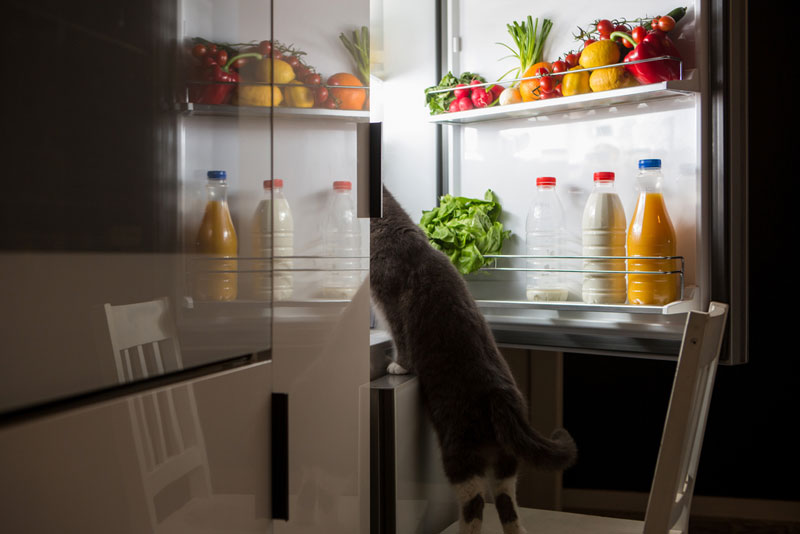
Have you ever opened your fridge and wondered, “What can my cat safely munch on?” This is a common question among pet owners, and the answer is quite fascinating. Cats, being obligate carnivores, have some dietary preferences that might surprise you. There are indeed several items tucked away in your fridge that could make a delicious and safe snack for your feline friend. From meats to certain vegetables, knowing what to pick is essential for a happy, healthy cat.
From slices of chicken breast to bits of cooked fish, many of us might have leftovers that our furry companions would love. But not everything from the fridge is safe for cats, and it can be tricky to know what they can feast on. Understanding their nutritional needs and the foods that will keep them purring happily can make all the difference. And what a delightful bonding experience it can be to share a treat with your cat!
So, grab your favorite snack, curl up with your furry friend, and let’s explore the world of what our kitties can enjoy straight from the fridge. You might just be surprised by what you learn!
You might also be interested in: What Meats Can Cats Eat?
What Can Cats Eat From The Fridge?
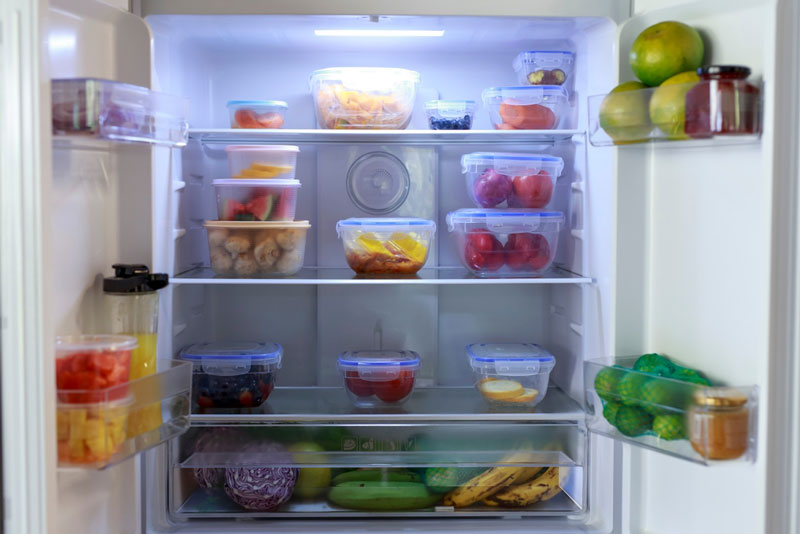
When we consider what our beloved cats can eat from the fridge, we first need to look at the types of foods that are safe and beneficial for them. Cats thrive on a diet rich in protein, and many items we have at home can support their nutritional needs. Starting with meats, cooked chicken, turkey, and fish are generally safe options. These protein-packed goodies can be a great treat for our fluffy buddies, and we can share a little bit without worry.
Next, we can talk about eggs! Cooked eggs, whether scrambled or hard-boiled, can be an excellent protein source for our cats. Just make sure we cook them without any seasoning, as cats do not handle spices the same way humans can. And guess what? Some cats even enjoy the taste of plain, unseasoned vegetables like cooked carrots or peas. They may not be the main course, but small amounts can provide some variety.
Let’s not forget the possibilities that dairy products offer. While some cats may enjoy a little cheese, it’s best to keep dairy to a minimum as some cats are lactose intolerant. A small bit of plain yogurt can be a treat, but let’s watch for any signs of digestive upset as we introduce new foods. Always remember that moderation is key, and this applies to what comes from our fridge!
How Much Food Can Cats Eat From The Fridge?
Determining how much of these foods we can give our cats is almost as important as knowing what’s safe to share. The first step is to consider their size and individual dietary needs. A general rule of thumb is that treats from the fridge should only account for about 10 percent of a cat’s overall daily caloric intake. This means if your cat’s daily caloric needs are around 200 calories, we shouldn’t give them more than 20 calories from these tasty fridge goodies.
When we are offering cooked meats, a small piece or two, approximately the size of a treat, is a good starting point. For instance, a little shreds of chicken breast or a bite-sized portion of fish can be safe. Let’s ensure we cut these pieces down to a manageable size to prevent choking and make it easy for them to enjoy. With eggs, a quarter of a scrambled egg or a small bite of a hard-boiled egg is often sufficient.
As for vegetables, it is best to keep these in very small amounts, especially when we are beginning to introduce them. A couple of pieces of cooked peas or a small sliver of carrot should be more than enough for our feline friends. Always observe how they respond—if they seem to love it, we can slowly increase the amount. Still, let’s keep all these additions as just tiny extras and not make them the main course of our cat’s diet.
Understanding portion sizes is vital in keeping our pets healthy, especially when introducing new foods. Each cat is unique, and we should be attentive to any changes or reactions when we introduce fridge treats.
Benefits Of Foods From The Fridge
1. Nutritional Boost: Sharing appropriate foods from the fridge with our cats can enhance their diet. Protein from meats supports muscle and tissue health; eggs provide essential amino acids, while small veggies can offer vitamins and fiber.
2. Bonding Experience: Feeding our cats some specially selected items from the fridge can become a cherished bonding moment. The shared experience can strengthen our relationship and create happier, more connected felines.
3. Weight Management: By choosing healthy fridge snacks, we can help manage our cats’ weight and prevent obesity. Adding smaller, healthier portions as treats allows us to control calories while giving them tasty options.
4. Enrichment: Introducing different flavors and textures can make mealtime exciting. Cats often can get bored with the same food day after day, so the addition of fridge goodies can bring a fun twist!
5. Positive Behavior Reinforcement: Offering tasty treats from the fridge can be used to reward good behavior during training or grooming. This can help make our cats more cooperative and excited about their learning experiences.
Dangers Of Foods From The Fridge
While there are plenty of safe foods, we must be aware of the potential risks involved in sharing fridge items with our feline companions. Certain foods that are safe for humans can be dangerous or even toxic for cats. For instance, we need to keep our kitties away from raw meats, which can harbor pathogens that may upset their stomachs. Additionally, some foods can be harmful; for example, onions and garlic are on the naughty list for our furry friends.
We also need to be cautious about portions and possible allergic reactions. Cats can be sensitive to new foods, and introducing something unfamiliar could lead to digestive issues such as vomiting or diarrhea. Let’s ensure we start with tiny amounts and monitor how they handle it before adding significant portions into their diet.
Besides, we should always remember to avoid processed foods, leftovers containing seasonings, sauces, or any fatty items from our fridge. High-fat meals can lead to serious gastrointestinal issues or even pancreatitis in cats. Our focus is to share wholesome, plain foods that offer health benefits.
Lastly, some cats have special dietary needs or pre-existing health conditions, and introducing new foods can be a risk. Consulting with our veterinarian before making any dietary changes is a smart way to ensure our pets stay healthy.
Substitute Of Foods From The Fridge
1. Commercial Cat Treats: Sometimes, opting for specifically formulated cat treats is a straightforward alternative. These treats cater specifically to feline nutrition and can be healthier than many human foods.
2. Homemade Cat Snacks: We can create our homemade snacks using safe ingredients. Think of baked chicken or fish pieces without any seasoning, which can be a great option to share.
3. Canned Pet Food: Instead of leftovers from our meals, appropriate canned cat food can be a delicious and nutritious option. These are specially made for cats and can mimic the taste of home-cooked meals.
4. Freeze-Dried Treats: Many brands offer freeze-dried meats, which have a long shelf-life and can be an amazing treat for our cats. They’re convenient and provide a burst of flavor!
5. Fish or Meat Broths: We can also make low-sodium broth from chicken or fish as a tasty addition for our cats’ food. Just ensure it contains no harmful ingredients before serving.
What Can Cats Eat From The Fridge? Frequently Asked Questions
Can I Give My Cat Cooked Chicken From The Fridge?
Absolutely! Cooked chicken is a great source of protein for our cats and can be served as a treat as long as it’s unseasoned and in small pieces.
Are There Any Veggies Suitable For Cats?
Yes! Cooked carrots and peas can be safe options for cats. Just make sure they are cut up into tiny pieces to prevent choking.
Can I Feed My Cat Dairy From The Fridge?
While many cats enjoy cheese or yogurt, we should be cautious. Some cats are lactose intolerant, so it’s best to offer dairy in moderation and watch for any upset tummy.
How Do I Introduce New Foods To My Cat?
Start small! Introduce tiny amounts of new food alongside their regular diet, and see how they respond before increasing the portion.
What Fridge Items Should I Avoid?
Foods like onions, garlic, chocolate, and raw meats should be avoided. Always do research or consult a vet when unsure about sharing any food!
Final Thoughts
Sharing food with our cats can be a delightful experience that enriches their lives and ours. By understanding what we can safely offer from the fridge, we not only elevate mealtime but also strengthen our cherished bond with our feline friends. Let’s remember the importance of moderation and careful consideration when choosing treats.
There are many ways to enhance our pet’s diets while we keep them safe and healthy. The fridge holds much potential for tasty additions to brighten our kitty’s day. Before we go, if you’re interested in learning more about pet health, be sure to check out our blog for great tips and insights—Huston Veterinary Blog! And don’t forget to explore if What Veggies Can Cats Eat? and see what other fun insights await. Happy feeding!