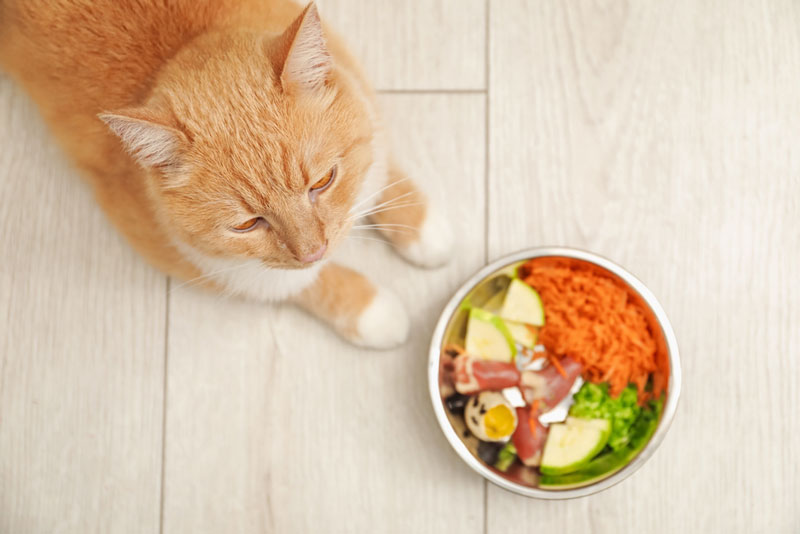
Have you ever wondered what cats can eat besides cat food? Well, cats can munch on a variety of human foods and other tasty treats! Instead of relying solely on cat food, many cats enjoy meals such as cooked chicken, turkey, and fish. It’s no surprise that our furry friends love a meal that is tasty and packed with protein!
When it comes to providing our cats with something beyond their usual kibble or canned meals, there are a lot of options to explore. We certainly want to ensure they receive a balanced diet, but occasionally tossing in some safe, healthy treats can make their day brighter. Cats can be picky eaters, but with the right alternatives, we can help them enjoy mealtime more!
This guide will answer all your questions about what cats can eat besides cat food, the benefits and risks of these foods, how much to feed, suitable substitutes, and frequently asked questions. Stick around to learn all about the options that can add variety to your cat’s diet!
You might also be interested in: What Table Food Can Cats Eat?
What Can Cats Eat Besides Cat Food?

So, what else can our feline friends nibble on besides their regular cat food? To start, we should focus on safe options that provide nutritional benefits while enticing their taste buds. Cooked meats are a wonderful choice. Cats are obligate carnivores, which means they thrive on a meat-rich diet. Try offering some cooked chicken or turkey! Make sure to remove any seasoning, bones, or skin, as these can be harmful.
Fish is another popular option. Cats often enjoy the taste of fish like salmon or tuna. Just like with chicken and turkey, ensure these are cooked fully and do not contain any toxic ingredients or seasoning. Remember to offer fish in moderation to avoid any potential mercury buildup in their tiny bodies!
Our furry friends can also snack on certain vegetables! Yes, you read that right! While cats are primarily meat eaters, some might enjoy small bites of cooked carrots, peas, or even pumpkin. These vegetables can give a touch of fiber and can be a fun way to mix things up for their taste buds.
Fruits can be included too, but always verify that they are safe for our furry companions. For instance, small amounts of blueberries or watermelon can be given as treats; however, we must avoid grapes and citrus fruits, as they are toxic to cats. That said, make sure to keep portions small, as too much fruit can upset their tummies.
Finally, some dairy products can be given, like plain yogurt. Many cats love yogurt! However, a few cats can be lactose intolerant, so it’s essential to offer just a small amount to see how they react. Do not give any sweetened or flavored yogurt!
What Can Cats Eat Besides Cat Food? How Much
When it comes to feeding our cats, moderation is key. Think of their special treats as extras to their regular cat food, not as the main meal. So, what is the ideal amount we should offer?
Typically, we want to make sure around ten percent of their daily diet comes from treats or extras like chicken, fish, or veggies. For a standard four-to-five-pound cat, this could mean giving a couple of bites of cooked meat or a small dollop of yogurt per day.
Let’s break it down a bit more clearly. If we feed our cat a regular diet that consists of dry food, it usually contains a specific number of calories. It’s best to consult the back of the food bag for the recommended portion sizes based on our cat’s weight and age. If we decide to incorporate other foods, we must account for the additional calories.
For example, if our cat usually eats one cup of dry food a day, that’s roughly 200-300 calories (depending on the brand). If we subtract 30 calories from that daily total for treats, we would then be looking at a total food intake of 170-270 calories from the dry food. Knowing the portions is vital to ensure our feline friends stay healthy and not overweight.
Always monitor how they respond to new foods. If our cat appears uninterested or experiences upset tummies, we can try adjusting our selections. Plus, some cats may be more sensitive than others, so patience is essential as we experiment with new tastes and textures!
What Can Cats Eat Besides Cat Food? Benefits
1. Nutritional Variety: Adding different foods to our cat’s diet can significantly boost nutritional benefits. Certain proteins and vitamins from chicken or fish can help with energy levels and overall health.
2. Mental Stimulation: Just like us, cats can become bored with the same meals every day. Introducing new flavors can awaken their senses and keep them engaged and happy.
3. Strengthened Bond: Preparing and sharing food can help foster a deeper bond with our furry friends. Hand-feeding or letting them enjoy small treats can create the opportunity for more interaction and affection.
4. Health Benefits: For some cats, specific foods like pumpkin can help with digestion. When we introduce healthy options, we can work directly with their dietary needs and help combat any occasional tummy troubles!
5. Weight Management: By providing a variety of healthy foods, we can help our cats maintain a balanced weight. Adjusting their diet appropriately can keep them feeling satisfied without packing on excess pounds!
What Can Cats Eat Besides Cat Food? Dangers
While there are plenty of options for treats outside of commercial cat food, we do need to think about some risks involved. A few foods can be toxic to our cats, and we need to be vigilant regarding what we offer.
As mentioned before, grapes and raisins are incredibly dangerous for cats. They can cause kidney damage and lead to severe health issues. Likewise, onions and garlic are harmful too, even in small quantities, as they can damage a cat’s red blood cells. It’s best to keep these foods far away from our kitties!
Some dairy products can also lead to upset stomachs. A lot of cats are lactose intolerant, so what might seem like a harmless treat can backfire. It’s always best to test small bites first before assessing their tolerance levels.
Cooked bones are a no-go as well! Unlike us when we may enjoy chewing on a beef bone, cooked bones can splinter easily and cause digestive issues or even blockages. Avoid those at all costs!
Lastly, many plant-based foods can be harmful, including some household plants like lilies and azaleas. If you suspect your cat has ingested something toxic, we need to act quickly and consult our veterinarian for support!
What Can Cats Eat Besides Cat Food? Substitute
1. Homemade Cat Food: Preparing balanced homemade cat meals from meats, veggies, and other safe options can serve as a substitute for their usual cat food.
2. Dehydrated Pet Foods: For those on the go, dehydrated pet foods can provide a convenient option. These can bring variety while still being nutritionally supportive. Just ensure they’re suitable for your cat’s dietary needs.
3. Freeze-dried Treats: Freeze-dried treats offer a way to give our cats concentrated meats without the mess. They are light and easy to serve and carry.
4. Commercially Prepared Raw Foods: Some brands offer raw food options for cats, which can replicate what a cat would eat in the wild while still ensuring they get a safe and balanced diet.
5. Natural Supplements or Grains: In consultation with a veterinarian, we can explore safe grains, such as oats, that may offer additional nutrition or supplements to our cats’ diets.
What Can Cats Eat Besides Cat Food? Frequently Asked Questions
Can I Share My Leftovers With My Cat?
While it’s tempting to give our cats leftovers, we should be cautious. Many human foods are prepared with ingredients that can be toxic for cats. Stick with simple meats and veggies instead!
Is It Safe To Give My Cat Fish Every Day?
Fish can be a tasty treat, but it shouldn’t be their primary food every day. Too much fish can lead to health issues, so offering it once a week is perfect!
Can I Give My Cat Fruit Snacks?
Fruits should only be an occasional treat. Not all fruits are safe, so research is essential before sharing any fruity snacks.
How Do I Know If My Cat Is Allergic To A New Food?
Observe their reaction after trying a new food! Signs of allergies can manifest as itching, vomiting, or diarrhea. If you see these reactions, it’s best to consult a veterinarian!
What’s The Best Way To Introduce New Food?
Start with small amounts over a few days and observe how your cat reacts to these changes. Gradually increase the portion size if everything goes well!
Final Thoughts
Discovering new food options for our cats can pave the way for happier, healthier, and more vibrant lives. Making choices on what our cats can eat besides cat food matters, and we continue to learn along the way.
Sticking to safe, healthy alternatives while being mindful of nutritional balance can yield magnificent results. We can transform mealtime into an exciting occasion! If you’re interested in different topics, check out the Huston Veterinary Blog and learn more about caring for your furry companions!
Lastly, if you have questions on treats, feel free to check out what things cats can eat?. Your furry friends will thank you for keeping it fun and nutritious!