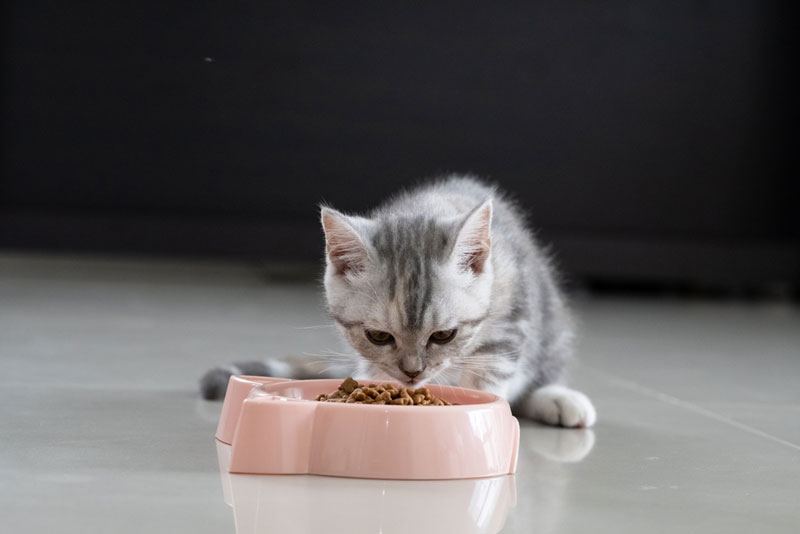
What can baby cats eat? This is a question that many new kitten owners ask. Kittens, or baby cats, have specific dietary needs that are essential for their growth and development. So, what can they eat? Well, baby cats can eat a variety of things, but the key is to make sure that their diet is balanced and appropriate for their age. When kittens are very young, they typically drink their mother’s milk or a special formula designed for kittens. As they grow, they start to eat solid foods, which can include high-quality kitten food or a mix of wet and dry food that is nutritionally appropriate for their age group.
As we continue reading, we will explore the best options for feeding our little furry friends. It is important to understand not just what they can eat, but also how much, and what benefits and risks are involved. You’ll want to make sure to keep our playful companions healthy and happy. So, let’s jump into this fascinating world of kitten nutrition together!
You might also be interested in: What Veggies Can Cats Eat
What Can Baby Cats Eat?
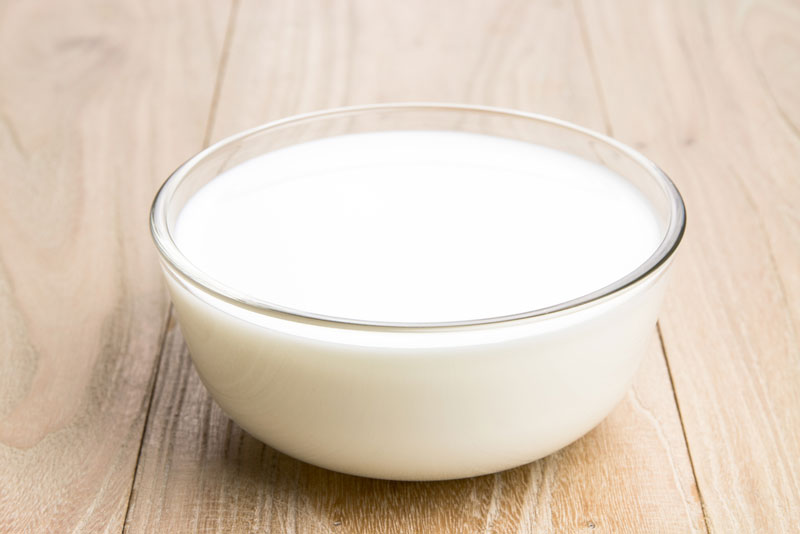
When we consider what baby cats can eat, it is crucial to start with their early nutritional needs. Kittens, especially during their first few weeks of life, rely heavily on their mother’s milk or a high-quality kitten milk replacer. This rich source of nutrients provides the perfect foundation for their growth. As they reach about four weeks of age, kittens begin to transition from milk to solid foods. We can assist this transition by introducing them to specially formulated kitten wet food or dry kibble that caters to their developing digestive systems.
Wet food is generally easier for kittens to chew and digest at this age. When providing canned food, we should choose a reputable brand that lists meat-based protein as the first ingredient, ensuring that our baby cats receive the essential nutrients they need. Additionally, it’s important to make sure that the food is specifically labeled for kittens, as adult cat food may not meet their unique dietary requirements.
As they grow into the weaning phase, usually around four to eight weeks, we can slowly introduce dry kibble mixed with water or broth to create a softer texture. This gradual incorporation of solid food not only stimulates their developing teeth but also helps to encourage healthy eating habits early on.
Watching our kittens discover solid food for the first time can bring so much joy. You’ll notice their little paws pawing at the food and perhaps even trying to bury it as if it were a treasure! As funny as this is, it also means that our furry friends are becoming more independent eaters. Remember, it’s always best to consult with a veterinarian to determine the best possible food options and portion sizes for any specific dietary concerns.
How Much Can Baby Cats Eat?
Understanding how much our baby cats should eat is just as important as knowing what to feed them. Kittens are growing rapidly, so their food intake needs can vary significantly. Generally, they will require more food than an adult cat for their growth and energy levels. A good rule of thumb is to feed them about a quarter cup of high-quality kitten food several times a day. We can break this down into at least four meals a day when they are younger. As they mature, we can then transition to three meals, and eventually settle on feeding them twice a day.
Portion sizes can also be influenced by the kitten’s age and weight. We should always make adjustments based on their specific development. Paying attention to the instructions on the food packaging helps in guiding the ideal serving sizes, but we are the best judges of our kittens’ needs. If they are frequently begging for more food or appear skull-thin, that’s a clear indicator to give their diet a little boost.
It’s worth noting that while it can be tempting to offer unlimited access to food, we must be cautious to avoid overfeeding. Overeating can lead to obesity, which brings unwanted health complications later on. We should establish a routine feeding schedule, as kittens usually thrive with consistency. Monitoring their weight and growth weekly will help us gauge their food intake needs. If we notice any significant changes, consulting a vet is always the best course of action.
In summary, proper feeding is about both quantity and quality. Regular vet check-ups can help provide guidelines for specific percentage of food or calorie intake suggested for different cat breeds and sizes. Always prioritize providing a balanced meal, and remember those playful pawed shadows always looking for a bite.
Benefits What Baby Cats Should Eat
1. Supporting Growth: The right diet helps our kittens grow strong and healthy. They need a mix of proteins, fats, and carbs to support their rapid development and keep their energy levels up while they play.
2. Healthy Bones and Teeth: Nutrient-rich food promotes good dental and bone health, essential as they develop their adult teeth. Kittens are bursting with energy, and strong bones allow them to jump and pounce without fear of injury.
3. Immune System Boost: A balanced diet rich in vitamins and minerals contributes to a robust immune system. This means our baby cats will have better defenses against illnesses and will spend more time playing and less time at the vet.
4. Digestive Health: Quality food that’s designed for kittens is formulated to be easily digestible. High-quality foods usually contain prebiotics to help develop a strong gut microbiome and prevent common digestive issues.
5. Healthy Coat: Just like us, what our kittens eat can affect the condition of their coat. A diet rich in fatty acids keeps their fur shiny and healthy. Nobody wants a dull kitty, after all!
Dangers Of Feeding Baby Cats The Wrong Food
While it is essential to know what baby cats can eat, we must also understand the potential risks and dangers associated with certain foods. Some popular human foods can be toxic or harmful to our feline friends. Foods like chocolate, onion, garlic, and grapes are on the no-no list, and even small amounts can cause significant health issues.
Feeding kittens adult cat food can also pose potential risks. The nutritional needs of kittens are different from those of adult cats, and feeding them adult food can hinder their growth and lead to deficiencies. We should always check the food labels to ensure it is specifically made for kittens.
Another danger lies in leaving food out all day. As with humans, the longer food is exposed to air, the more it can become spoiled. If we ever notice anything off about the food—like unusual odors or textures—we should dispose of it and get a fresh batch. This keeps our little furballs safe and happy.
Sometimes kittens can have bold personalities, getting into places they shouldn’t be. Keeping dangerous items like plastic bags, rubber bands, and string out of reach is essential. They can be a choking hazard or cause intestinal blockages if ingested. Supervision at playtime is vital, as it can prevent such incidents.
Lastly, we should watch our kittens for any signs of food allergies or intolerances. If they exhibit symptoms like vomiting, diarrhea, or excessive scratching after eating, we must consult with our vet right away. Early detection can lead to better outcomes and happier, healthier kitties!
Substitute Of What Baby Cats Can Eat
1. Kitten Milk Replacer: When mother’s milk is not available, a high-quality kitten milk replacer can ensure that our kittens receive all the nutrients they need to thrive. It is specially formulated for their needs.
2. Canned Cat Food: If dry kibble is not enticing enough, canned cat food can be a great substitute. Kittens often prefer the taste and texture of wet food. It also provides additional moisture in their diet.
3. Home-Cooked Meals: With professional guidance, we can create nutritious home-cooked meals for our kittens. Lean meats and some cooked vegetables can provide protein—but we must ensure these meals are balanced and don’t include any harmful ingredients.
4. Freeze-Dried Food: This is another handy option. Freeze-dried foods are lightweight and packed with nutrition. Just like canned foods, they typically come in flavors that appeal to kittens.
5. Wellness Treats: It can be beneficial to give our kittens occasional wellness treats that are designed for them. They can be nutritious and tasty, but just be sure to offer them in moderation to avoid overindulgence!
What Can Baby Cats Eat? Frequently Asked Questions
Can I Feed My Kitten Regular Milk?
While it may seem fun to give kittens regular milk, many cats are lactose intolerant. This leads to upset stomachs and possibly diarrhea, which we definitely want to avoid!
How Often Should I Feed My Kitten?
For the best growth, we can feed our kittens about four times a day until they are about six months old. After that, we can adjust their feeding schedule to meet their needs.
What About Treats?
It’s fine to give our kittens treats, but moderation is key. Treats should only make up about 10 percent of their overall diet to ensure they still receive balanced nutrition.
Can My Kitten Eat Human Food?
While some human foods are safe, we must be careful. Chicken, turkey, and cooked fish can be good options, but we should steer clear of potentially toxic foods like chocolate and onions.
What Should I Do If My Kitten Refuses To Eat?
If our kitten refuses to eat, we should seek advice from a vet. They can help assess whether this is normal behavior or if there is an underlying health issue.
Final Thoughts
Our baby cats require special attention when it comes to their diets, and it is vital for us to provide them with the right nutrition to support their growth and energy. Understanding what they can eat, how much they should eat, and being vigilant about potential risks is key to keeping them happy and healthy. By doing our research and consulting with a vet when needed, we can make the best choices for our little furballs.
If you find this information helpful, we encourage you to explore more topics about pet care. For instance, check out about cat nutrition or learn about which human foods are safe for your pets such as applesauce and scrambled eggs. Our pets are family, and they deserve nothing less than the best care!