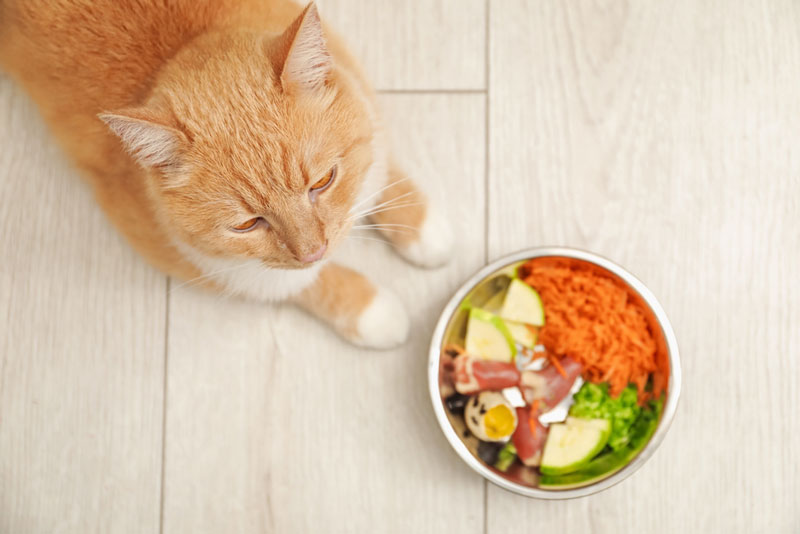
Have you ever wondered what tasty treats you can share with your feline friend? Cats are curious little creatures, and sometimes they like to explore the world of food. But not all human food is safe for them. So what are the things cats can eat? The good news is that cats can enjoy a variety of foods, both store-bought and homemade, that cater to their unique dietary needs. Let’s jump into some delicious options that will make your kitty’s tail wag with excitement!
From crunchy kibble to those delightful wet food pouches, the options are plentiful for our furry pals. However, it’s important to choose the right things that not only satisfy their taste buds but also keep them healthy. Some foods are packed with the nutrients they need, while others can pose health risks. Isn’t it fascinating how our choices influence their happiness and wellbeing? Read on, and we will explore all the tasty possibilities for our feline companions!
As we go deeper into this exploration of things cats can eat, we’ll uncover safe snacks, possible dangers, and the benefits of healthy eating for our kitties. You’ll be armed with information that could help you make smarter choices for your furry friend. So, let’s sit back, grab a snack of our own, and discover what culinary wonders await our whiskered friends!
You might also be interested in: Human Foods That Cats Can Eat?
What Things Cats Can Eat?

Woah! Did you know that cats are obligate carnivores? This means they need a diet that is rich in meat and animal-based proteins to thrive. Surprisingly, there are many things we can offer our furry companions that taste great and are safe for them! Think of all the deliciousness: cooked chicken, turkey, fish, and even some fruits and veggies. But of course, there are rules to follow, so let’s break this down.
For starters, let’s focus on proteins. Meats such as chicken, turkey, and lean cuts of beef make fantastic options. Cats love chicken, and it’s packed with protein. When serving chicken, be sure to cook it thoroughly, without any seasonings, as spices and herbs can upset their tummies. Who knew our furry friends could be so particular? The same goes for turkey, which makes for a lean, delicious snack that many cats can’t resist!
Fish is another treat that can be enjoyed by our feline friends. Tuna, salmon, and sardines are often packed in water, making them a delightful watery treat. However, make sure these are only given in moderation as too much fish can lead to health issues. Still, your kitty might smile when you open that can! Let’s not forget that eggs are also a wonderful protein source. Scrambled or boiled eggs, served without any additives, can be a great snack a few times a month.”
When we think about fruits, our minds may wander to kitty-friendly options such as blueberries and watermelon. They might not be typical feline food, but they are low in calories and can provide hydration on a hot day. Cutting these into small, chewable pieces is key! However, it’s essential to keep in mind that not all fruits are suitable; grapes and raisins are toxic to cats, so be cautious. Let’s be the responsible pet parents here!
Veggies like cooked carrots and peas are also okay for some kitties. Again, these should be offered in small amounts and only after cooking to make them easier to digest. The bottom line here is that while there are many tasty things cats can eat, a lot of it revolves around protein-rich choices and the occasional treat from the colorful garden. Cats will let us know what they enjoy the most!
What Things Cats Can Eat? How Much
Now that we know some of the things cats can eat, let’s explore how much of these delicious foods we can dish out to our furry companions. Portion control is essential! And just like us, different cats have different needs. Factors such as age, weight, and activity levels all play a role in determining how much food is suitable for each cat.
A good rule of thumb is to follow the recommendations provided by your cat food brand on the packaging. But keep in mind that these amounts often cover only commercial cat food and not the homemade or additional snacks. For instance, if you plan on offering a cooked chicken breast as a snack, make sure that it doesn’t make up for more than ten percent of their total caloric intake. Remember, you don’t want your kitty overindulging and ending up making a trip to the vet for a chubby tummy!
Let’s break it down a bit more. For adult cats, the average daily calorie intake can range from 200 to 400 calories depending on their size and activity level. If we consider that healthy treats should only make up about ten percent of their daily intake, your cat could enjoy around 20 to 40 calories from treats. This isn’t a vast amount, but it’s enough to give them tasty snacks without ruining their appetite for regular meals.
When it comes to fish like tuna or sardines, typically, just a teaspoon once or twice a week is sufficient. You want your cat to enjoy the flavor while avoiding potential health concerns like mercury buildup from excessive fish consumption. The same principle applies to fruits and vegetables. Offering a small bite or two as treats, rather than full servings, is the best approach. Think of it as an occasional surprise rather than a daily menu item!
One essential aspect to keep in mind is to introduce any new food gradually. If you’ve never given your cat chicken before and suddenly serve them a whole plateful, their tummy might not thank you later. Instead, start with just a nibble and see how they react. This is especially important for those cats with sensitive stomachs or dietary restrictions.
Getting the right amount of treats and figuring out how to balance their diet can feel daunting, but we’re here for each other! And remember, consulting with your trusted veterinarian can help us plan the perfect meals for our fur babies. The idea is to keep their little hearts happy and healthy so they can keep curling up in our laps, right?
What Things Cats Can Eat? Benefits
So, why does it really matter what things cats can eat? Well, the benefits of a well-rounded, nutritious diet don’t just stop at preventing hunger. A balanced diet can improve our feline friends’ overall health and happiness. So let’s discuss some of the key benefits we can see when we make mindful choices about what goes into their little tummies!
1. Better Health: A diet rich in high-quality proteins helps maintain healthy muscles and a strong immune system. Think of protein as the building blocks of your kitty’s body. It contributes to growth, maintains their skin and coat, and helps repair tissues. Trust us, no one wants a fluffy cat with a poor coat that looks dull and rough. And let’s be honest, a shiny coat meant for selfies is priority number one!
2. Enhanced Energy Levels: A well-balanced diet ensures that our furry friends have enough energy to play and explore. Nobody enjoys seeing their cat lounging around all day. With the right food, they can maintain an active lifestyle while keeping their weight in check. A great energy level translates to an active kitty chasing laser pointers and feather toys, giving us pure entertainment!
3. Better Digestion: Cats require certain nutrients like vitamins and minerals for healthy digestion. By serving high-quality food, the nutrients aid in smooth digestion, which can help reduce the chances of upset stomachs. Plus, less hassle with furballs is always a bonus for us! Will you join me in the cheer for healthy digestion?
4. Happiness and Well-being: We all want to reward our furry companions and see their little tails wagging! When they enjoy their meals and treats, it creates a sense of satisfaction and can reduce stress. Happy kitties are playful kitties—so let’s keep the smiles coming with delicious snacks and balanced meals!
5. Strengthened Bond: Sharing tasty treats is one of the simplest ways to strengthen the bond between us and our pets. Imagine their excited purring as you bring out a little something special just for them! Feeding time can become an enjoyable ritual filled with love, attention, and cuddles. And let’s be real, nobody can resist their kitty’s hopeful eyes staring up at them.
Ultimately, when we choose the right foods for our feline pals, we improve their quality of life and make our time together more enjoyable. Show them how much we care, and let their purring, playful demeanor reflect a healthy lifestyle. Moving on, we need to examine the potential risks or dangers associated with their food choices. Fear not! Our battle for cat health will continue!
What Things Cats Can Eat? Risks/Dangers
As we’ve seen, there are many wonderful things cats can eat that can keep them healthy and happy. However, we cannot overlook the risks and dangers of some foods that we might assume are safe, but can lead to severe health issues instead. This is important stuff, so let’s take a closer look at what we should always avoid while being good kitty parents!
Let’s start by addressing common foods that can be toxic to our furry friends. Chocolate is one of the worst offenders, as it contains theobromine, which is harmful to cats. Even small amounts can lead to symptoms like vomiting, increased heart rate, and agitation. That’s why we should make sure chocolate remains safely stored out of paw’s reach, and keep our piles of goodies away from their curious little noses!
Next up, we must discuss onions and garlic. These members of the allium family can damage red blood cells and cause anemia in cats. It’s astounding how some harmful foods were once a staple in many households! This also extends to chives, leeks, and any foods flavored with these ingredients. So whenever we cook, let’s shake off the urge to toss our leftover scraps towards our fluffy friends.
Grapes and raisins also fall into the dangerous category. While these fruits might be healthy snacks for humans, they can cause sudden kidney failure in cats. Just imagine us giving our furry friends a grape, thinking it’s a healthy option, only to have it backfire! If only they could talk and let us know what’s safe before we serve it up!
Then there’s the risk of feeding fatty foods and raw meats. Yes, fatty cuts of meat can lead to obesity and digestive issues. And raw meats? They come with the potential for harmful bacteria like salmonella, which can put both our cats and ourselves in a mealtime predicament. Cooked meats, on the other hand, are a safe and satisfying treat as long as we remember to hold the spices!
We also want to be cautious about providing milk. Many people picture cats happily drinking a bowl of milk, but the truth is, many adult cats are lactose intolerant, so milk can cause tummy troubles. And lastly, we must not forget that not all cat foods are created equal. Some may contain fillers, artificial flavorings, or unnecessary additives, so it’s wise to read the labels carefully to protect our furry friends.
In conclusion, while it can feel overwhelming at times, understanding risks and focusing on safety while feeding our cats will help ensure they live long, healthy lives by our side. We should remind ourselves that the knowledge we gain leads to healthier choices. And let’s continue to prioritize the wellbeing of our kitties as we enjoy tasty treats together!
What Things Cats Can Eat? Substitute
Now that we know the tasty and nutritious things cats can eat, and how to keep them safe, what about substitutes? Every cat has different preferences, and sometimes we find ourselves running low on certain ingredients. Luckily, there are plenty of alternatives we can keep stocked at home to have on hand for our little furry friends. Let’s explore a few substitute options together!
1. Turkey or Chicken: If your kitty loves chicken, but you’ve run out, consider lean turkey as a fantastic substitute! Turkey is equally packed with protein and can serve as a nutritious option to mix into their favorite meals. They’ll hardly notice the difference, and you might even gain a new delicious bond with turkey treats!
2. Fish: When it comes to fish, salmon isn’t the only option. Canned mackerel can be just as tasty! This fish is full of healthy oils and omega-3 fatty acids, which contribute to a shiny coat and healthy heart. It also allows us to bring in some variety without straying from their protein-rich diet!
3. Chicken Broth: If you’ve always given your cat canned cat food but want to switch it up, cooking chicken broth is an alternative. Just remember to use a low-sodium version without garlic! A few spoonfuls can be a flavorful treat to drizzle over their meals, bringing some excitement to dinnertime!
4. Fruits: As for fruits, if blueberries are scarce, you could consider mashed bananas! Rich in potassium, bananas can be another fun option for a treat. Just remember to offer a small quantity to avoid any tummy upset!
5. Veggies: For veggies, if fresh peas aren’t available, we can turn to baby food made of just peas or pumpkin. These can be easy to digest and add a pleasant twist to mealtime. Cats are lucky enough to have simple palates that can sometimes enjoy unique bites!
Being prepared with substitutes allows us to mix and match and keep mealtimes fun for our furry friends. As we treat our kitties to various foods, it creates culinary adventures packed with flavor and fun. And who knows, we might even inspire them to become food critics along the way!
What Things Cats Can Eat? Frequently Asked Questions
Can Cats Eat Dairy Products?
While many people believe cats enjoy milk, most adult cats are lactose intolerant. This means that dairy can upset their digestive systems. It’s best to skip the milk and opt for water or specially formulated cat milk available in stores!
Are There Any Vegetables That Cats Cannot Eat?
Certain vegetables are harmful to cats, such as onions, garlic, and leeks, which can lead to anemia. It’s best to stick to safe options like cooked carrots, peas, or even broccoli, but always in small amounts!
Can Cats Eat Bread?
Bread isn’t toxic for cats, but they don’t derive any nutritional benefits from it either. If you offer a small piece as an occasional treat, that’s fine, but it shouldn’t be a regular part of their diet.
Is It Okay To Feed Cats Raw Meat?
Feeding cats raw meat can be risky due to harmful bacteria like Salmonella or E. coli. It’s better to serve them cooked meat, seasoned with nothing, to ensure their safety and health.
Can Cats Eat Treats Made For Dogs?
It’s not advisable to feed cats dog food consistently, as it doesn’t meet their specific dietary needs. Occasional dog treats might not hurt them, but always stick to high-quality treats designed for cats!
Final Thoughts
Understanding things cats can eat helps us not only care for their health but also provide joyful moments at mealtimes! Whether we’re dishing out nutritious wet food or offering high-quality snacks, keeping our feline friends happy allows us to cherish our bond with them even more. Avoid potentially harmful foods, be mindful of portion sizes, and choose safe substitutes to keep things fresh and exciting for our furry pals.
Let’s keep exploring together the various topics of pet care, and always remember that a little fun in the kitchen can lead to hearty purrs from our beloved pets! If you want to learn more, check out our blog for various topics, including if cats can eat veggies or other treat options for cats. With a little effort, we can keep our furry loved ones healthy and happy!
For more information and resources, feel free to explore our blog at Huston Veterinary Blog, where you can find tips and advice about caring for your beloved pets!