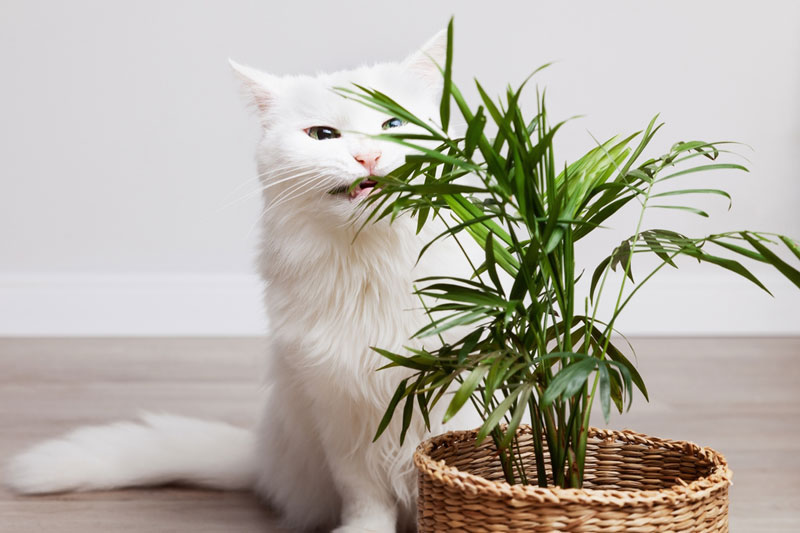
Are you curious about which plants your furry friend can munch on? Well, you’re in luck! There are several plants that are safe for cats to eat and can actually provide some tasty benefits. Understanding what plants are safe for our feline companions is essential for keeping them happy and healthy. So, let’s dive into the wonderful world of plants that can be safely consumed by our marvelous cats.
Now, if you are a cat parent, you may have seen your little furball nibbling at your houseplants or even those fresh greens you’ve just bought. It’s natural for cats to explore their surroundings, and sometimes that includes a little taste of greenery. Knowing which plants are safe for your kitty can save you a lot of worries and keep your home looking beautiful. Plus, knowing that your cat is enjoying healthy snacks is just as rewarding for us as it is for them!
Stick with us as we explore a variety of plants that are both safe and beneficial for cats. You might even uncover some exciting facts that will make you appreciate your feline friend even more. Together, we can make informed choices about what plants to include in our homes for the ultimate health and happiness of our furry pals.
You might also be interested in: Can Cats Eat Lemongrass?
Plants Cats Can Eat?
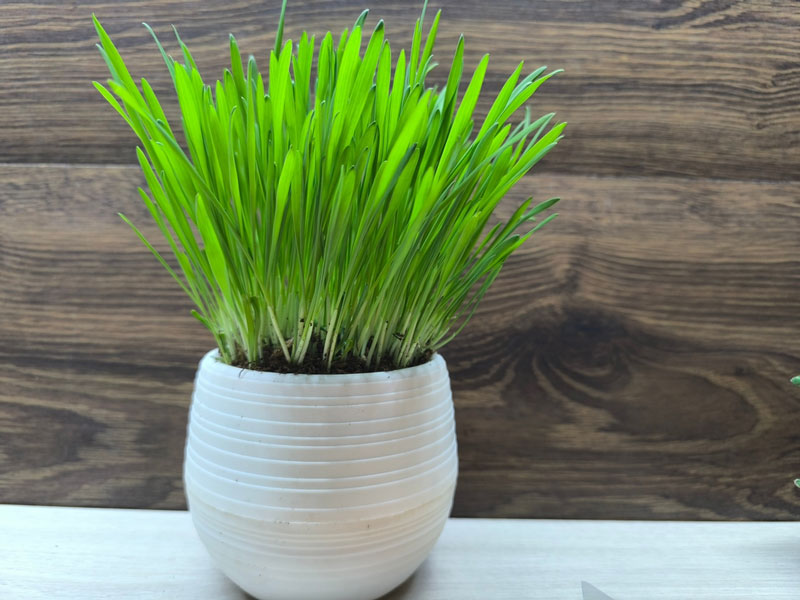
When it comes to finding the right plants for our feline friends to munch on, there are plenty of options. Some well-known examples include catnip, cat grass, and even certain herbs like parsley and basil. Catnip is often famous for getting cats a bit playful and hyper. It produces a euphoric response in about 70% of cats, making it a favorite treat! But did you know cat grass, usually a mix of wheat, barley, or oat grass, is just as popular? It offers a crunchy texture, aiding in digestion and reducing hairballs. Let’s explore some plants that are regularly safe for cats to eat and maybe even munching on regularly!
Let’s take a closer look at these delightful greens! Here’s a brief list of some plants cats can eat:
1. Catnip: A member of the mint family, this herb not only attracts cats but is also fun for them to play with.
2. Cat Grass: Generally a mix including wheat or barley, it serves as a great snack for our fur babies.
3. Parsley: Contains vitamins C and K, boosting immunity.
4. Basil: A fragrant herb full of antioxidants.
5. Mint: Surprisingly, our feline mates can enjoy mint too, just not too much!
Remember, it’s always best to introduce new plants gradually and observe how your cat reacts. Just like humans, they’re not a fan of every food they try.
How Much Plants Can Cats Eat?
The big question is how much of these delectable plants can our cats safely munch on? Generally speaking, the portions should be modest. Cats are small creatures, so even a little bit can go a long way! For example, if you’re offering catnip, a sprinkle or a couple of leaves is more than enough for a fun playtime. Overindulgence can lead to mild stomach upset. No one likes a tummy ache, right?
When it comes to cat grass, give your furry friend a handful to snack on when you think they need a little extra fiber in their diet. It’s such a great way for them to enjoy something fresh and help maintain their digestive health. A few blades here and there should do the trick!
As for herbs like parsley or basil, a few sprigs are suitable. Too much of these aromatic herbs can lead to some belly discomfort. Cats can be picky eaters, and sometimes they’ll nibble just a little to see if they like it! Monitoring their reactions is crucial so you can adjust the amounts accordingly.
Overall, moderation is key. It’s better to keep treats small and sweet rather than overwhelming their systems with too much new food. Think of it like serving a tiny portion during dinner instead of filling the plate to the brim! It’s always important to provide a balanced diet along with occasional treats. So, treat your furry friends, but let’s keep it light and fun!
Always consult a veterinarian if you’re unsure about any specific amounts or plant types, especially if kitty is adjusting to a new plant. After all, they’re experts in precisely what your adorable furball needs. We’ll want to keep that whiskered face happy and healthy!
Benefits Of Plants To Cats
1. Nutritional Boost: Plants like cat grass provide beneficial fiber that aids with digestion. This helps in reducing hairballs, which can be pretty annoying to deal with!
2. Natural Playtime: Catnip isn’t just a treat; it’s a source of endless entertainment and exercise. It can energize a lazy kitty into play mode, enriching their environment while providing a spirited outlet for their inner predatory instincts.
3. Stress Relief: Chewing on plants can be soothing for cats. When they experience stress or anxiety, having a safe snack to munch on can help calm them down.
4. Digestive Aid: Many of these plants can assist with digestion. The natural fibers in cat grass help clean their digestive tract and support a healthy gut, keeping their whole system running smoothly!
5. Fresh Source of Antioxidants: Fresh herbs like basil provide a myriad of antioxidants, supporting the immune system. A healthy immune system is essential in fighting off viruses and keeping your furry friend in tip-top shape!
Dangers Of Plants To Cats
Just like we need to pay attention to what we eat, our cats need us to be mindful about their plants too! Some plants that we might think are fine could actually pose risks to our furry pals. Even some common plants can be toxic, so always be cautious.
For instance, the lilies and daffodils we often have in our gardens can be extremely dangerous and are known to cause kidney failure in cats. Other typical household plants like poinsettias, philodendrons, and sago palms can lead to severe health problems, so it’s essential to do our homework on each one!
Symptoms of plant toxicity may include vomiting, diarrhea, lethargy, or in severe cases, more dangerous conditions. If a kitty ingests something harmful, it’s imperative to take them to a veterinary clinic as soon as possible! Keeping an eye on our cats, especially when trying new plants, is crucial.
Knowing what our pets can and cannot eat can help us foster a safe environment for them and give us peace of mind that they are happy and healthy. We’ve got to remember that cats are curious little beings, and they might try nibbling on something they shouldn’t. So, keeping potentially harmful plants out of reach is important.
So as much as we want to be friendly providers of treats, vigilance goes hand-in-hand with freedom. Our cats deserve both healthy choices and a safe environment!
Substitute Plants Cats Can Eat
1. Commercial Cat Grass: If you’re not sure about sourcing safe plants, you can buy packages of cat grass specially formulated for cats. It’s super easy to grow and provides a delicious and nutritious snack!
2. Dried Catnip: If fresh catnip isn’t available, opt for dried catnip. It offers the same energetic and euphoric effects, ensuring playtime stays entertaining!
3. Catnip-infused Treats: There are plenty of commercial treats prepared with catnip. They are excellent alternatives to ensure your cat gets that joy without needing fresh greenery right away.
4. Eating Safe Herbs: Don’t forget, many herb plants are safe for cats! Basil and parsley can also be great alternatives. Just make sure they are non-treated with chemicals.
5. Use Safe Flourishing Grasses: Barley or wheat grass are safe plants that are easy to find and grow, and they’re tasty little snacks for your furball!
Plants Cats Can Eat? Frequently Asked Questions
Can Cats Eat All Types Of Grasses?
Not all grasses are safe for cats. However, most commercial cat grass is safe and beneficial! Stick to wheat, barley, or oat grass.
Is Cat Grass The Same As Regular Grass?
No, cat grass is usually a mix of specific grasses that are safe for consumption, while regular garden grass might contain chemicals that might be harmful.
What Happens If A Cat Eats Poisonous Plants?
Poisonous plants can cause various health issues, ranging from mild symptoms like vomiting to severe conditions like kidney failure. It’s always wise to seek vet assistance if you suspect ingestion of toxic plants.
How Do I Know If A Plant Is Safe For My Cat?
Researching specific plants is the most effective way. Make sure to cross-reference with credible sources before introducing new plants into your home.
Can I Grow My Cat’s Plants Indoors?
Absolutely! Many plants, especially cat grass, can be easily grown indoors, allowing your kitty to enjoy fresh snacks any time of the year.
Final Thoughts
As we learn about the wonderful world of plants, we can take steps to keep our feline friends healthy while still letting them explore their culinary options! Offering safe plants can enrich their lives, and knowing which ones to avoid keeps everyone safe. It’s our responsibility to be informed so we can provide the best for our furry companions.
Keeping a variety of safe plants not only promotes a healthy diet for our beloved cats, but it allows us to craft an engaging and stimulating home for them. Ensuring their happiness is our ultimate goal! So let’s keep our gardens and homes filled with plants that allow for joyous nibbles and playful leaps! You might even want to explore more topics related to pet care on our website, such as our blog, where you can find tips and tricks for keeping your furry friends healthy and happy!