Welcome to the delightful and sometimes perplexing world of pet care! As pet lovers and passionate guardians of our furry friends, we often find ourselves faced with a multitude of questions about what our pets can and cannot eat. One of these questions is, can dogs eat white chocolate? This seemingly innocent treat can raise quite the debate among us! So, let’s unravel this mystery together, shall we?
Now, can dogs eat white chocolate? The simple answer is no, they should not! While white chocolate contains much less theobromine compared to dark chocolate and milk chocolate, it is still not recommended for our canine companions. The reason stems from the ingredients in white chocolate. It may seem harmless, but it can potentially lead to some unwanted health issues for dogs. So let’s explore this topic a bit deeper and understand why it’s best to keep that chocolate stash out of your dog’s reach.
Before we dive into the reasons and details, stay with us! We’re going to break down everything you need to know about white chocolate and dogs’ health. This includes how much is considered safe, the possible risks, alternatives you can give them, and answers to frequently asked questions. So grab a comfy seat, maybe some dog treats for your furry friend, and let’s explore together!
You might also be interested in: Can Dogs Eat Oreos?
Can Dogs Eat White Chocolate?

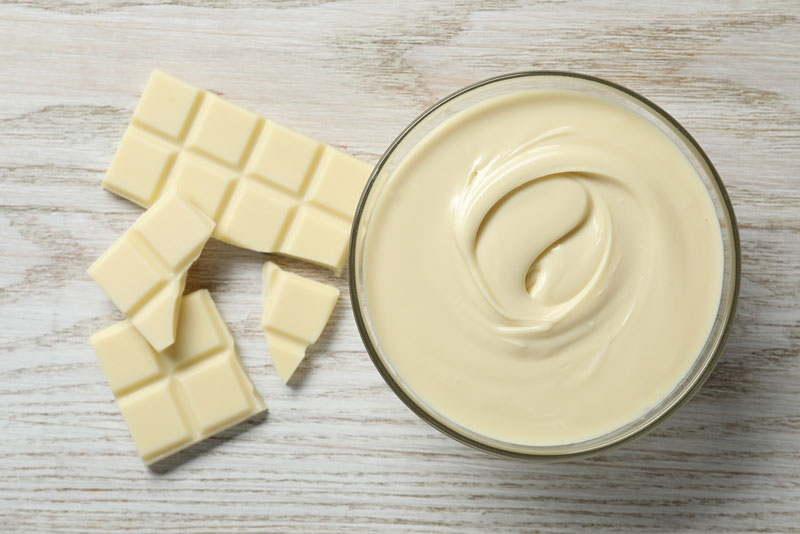
When it comes to this sweet treat, we need to remember that white chocolate is still a chocolate product. While it may differ from dark or milk chocolate in terms of its make-up, it nevertheless poses potential risks for our pets. To understand why it is not recommended, let’s first look into what white chocolate really is. White chocolate is made from cocoa butter, sugar, and milk. Now, you might wonder where the danger lies, considering theobromine, the toxic compound found in chocolate, is present in significantly lower amounts in white chocolate compared to its darker relatives. However, that does not mean it is entirely harmless. Here’s where it gets interesting!
Theobromine is still a concern, peeking its little head around even in small amounts of white chocolate. Dogs metabolize theobromine much more slowly than we do, which means that any amount of it could lead to discomfort or health issues. Symptoms of chocolate poisoning in dogs include vomiting, diarrhea, rapid breathing, increased heart rate, and in severe cases, seizures. While these symptoms are more likely to occur with dark chocolate, any ingestion of chocolate, including white chocolate, is best avoided. It is much easier for us to prevent potential harm than to treat health issues later on. So, it is wise for us to keep all chocolate, including white chocolate, firmly away from our four-legged friends.
How Much White Chocolate Can Dogs Eat?
If you’re still wondering about the amount, the answer is: zero. The right quantity is simply none at all. Now, we might be tempted to give our dogs a tiny nibble, thinking it could be okay, but that little bit may still lead to unexpected problems. Here’s the reason we collectively should say “no.” While a small piece of white chocolate may not give an average-sized dog an immediate problem, it sets a bad precedent. Imagine your pup learns to beg for just a morsel of that sweet treat. Before we know it, we could find ourselves facing foolish attempts at sneaking in even more! And that’s not something we want to encounter. So, it is better for us to model the right behavior. Instead of offering white chocolate, we can opt for safe treats and snacks designed specifically for dogs. This keeps our canine friends healthy and content.
This brings us to another interesting topic – the differences in sensitivity among various breeds and sizes of dogs. While large breeds might be able to tolerate very small amounts of chocolate, we can’t guarantee the same for smaller breeds. It’s like gambling, and we definitely don’t want to play with our dog’s health! So, no white chocolate for any dog, big or small. If your dog happens to consume white chocolate accidentally, don’t panic! Instead, it’s vital to keep a close eye on their behavior and contact your veterinarian if you notice any unusual symptoms. They will provide us with the best guidance moving forward.
Let’s remember that our dog’s dietary needs are quite different from ours. Their bodies react differently to foods that we may see as safe or delicious. Our love for our pets means that we have to make choices that support their health and well-being, so steering clear of white chocolate is the best decision. If you’re looking for a way to satisfy their sweet tooth, consider dog-specific treats that are both delightful and nutritious!
Benefits Of White Chocolate To Dogs
Now that we’re clear on the fact that feeding dogs white chocolate is a definite “no,” let’s talk about the positive aspects of treating our pups with love and care through proper nutrition. While there are no benefits to white chocolate, there are plenty of alternatives that have wonderful benefits for our furry companions! Imagine treating your dog in a way that not only makes them happy but also contributes positively to their health. We can formulate an enjoyable and beneficial snack time with safe alternatives!
Benefits of giving your dog healthy snacks include better digestion, improved dental health, and an enriched coat. For example, fruits like apples and bananas can provide essential vitamins without harmful side effects. Apples are known to help freshen breath and provide important nutrients like vitamins A and C. They are also low in calories, making them an excellent treat for dogs that need to watch their weight. And who doesn’t love those tail-wagging moments when your pup enjoys a crunchy apple slice?
Moreover, there are an abundance of dog-friendly treats available in pet stores. You might even feel inspired to whip up some homemade goodies! Treat recipes that include ingredients like sweet potatoes, pumpkin, or peanut butter can create tasty bites that your dog will love—without any harmful ingredients found in white chocolate.
It’s remarkable how much joy these natural treats can bring our furry friends while helping with everything from weight management to healthy skin and fur. We get to support their health while creating delightful moments together. So, instead of considering white chocolate, let’s discover the quality treats that can benefit our dogs and satisfy their cravings!
Dangers Of White Chocolate To Dogs
As we move deeper into the topic of white chocolate, it’s crucial to examine the risks and dangers associated with it. Even though white chocolate does not contain high levels of theobromine, we have to consider its richness in sugar and fat. These can pose problems for our furry friends over time. Though we can enjoy a chocolaty treat occasionally, it’s a no-go for our pooches!
For any dog, excess sugar can lead to weight gain, diabetes, and related health issues. Dogs naturally digest carbohydrates differently than we do, and too many sugary snacks can upset their balance. Even if a single piece of white chocolate may not trigger severe reactions, cultivating a pattern of rewarding our dogs with sweets can lead to larger problems.
Moreover, dogs may face allergic reactions or food intolerances, depending on their specific sensitivity—particularly to dairy and sugar. The creamy texture of white chocolate might sound appealing, but it often doesn’t sit well with many dogs’ stomachs. Ingesting dairy products can lead to digestive discomfort and might result in nausea or diarrhea in lactose-intolerant dogs. So, those sneaky little nibbles could result in a more extensive cleanup job for us!
The dangers are not only limited to chocolate itself. It is essential for us to assess what ingredients are present in the product. Many commercially sold white chocolate products might include additives that are unsafe for dogs, like artificial sweeteners. Xylitol, a common sugar substitute found in many human food products, can be fatal to dogs even in minimal amounts. It’s absolutely vital to act with caution as we consider what we give our furry family members.
In short, let’s be responsible dog parents! Making informed choices and understanding the potential risks associated with giving our pups any chocolate, including white chocolate, is essential. We would want to make every decision based on love, ensuring safety, health, and the overall happiness of our canine companions.
Substitute Of White Chocolate For Dogs
As we’ve already explored, white chocolate is not the right treat for our canines. But don’t fret! The good news is that there are so many scrumptious alternatives that can be just as satisfying if not more! Let’s take a look at some options that keep our lovable pooches tail-waggingly happy while providing them with nutrition!
One popular alternative is sweet potato treats! They are both nutritious and easy to prepare at home. Simply bake, mash, and mold them into fun shapes before serving them to your pup. Dogs love the natural sweetness of sweet potatoes, and they are packed with vitamins, fiber, and antioxidants. You can also mix in some peanut butter or pumpkin to create variety in taste! Who knew that your kitchen could become a mini bakery for your dog?
Another excellent substitution is fruit! Fruits like blueberries, strawberries, and bananas can be yummy additions to our pups’ diets. These fruits are low in calories and provide essential vitamins and antioxidants. Just remember to slice them into small pieces to avoid any choking hazards, especially for small dogs. Oh, and did I mention that freezing these fruits as a summertime treat can be pure joy for both us and our pets? It’s refreshing and keeps our dogs feeling cool in hot weather!
We could also consider premade dog treats available at pet shops that focus specifically on high-quality ingredients. Look for brands that prioritize health and safety; it’s worth taking the time to read the label. This way, we can rest assured knowing we are giving our dogs a treat that won’t lead to any unnecessary health risks.
Homemade dog biscuits are another crowd-pleaser! We can whip up our batch using dog-safe ingredients such as oats, banana, and unsweetened peanut butter. The best part is that we can get creative with the shapes and sizes! Treat-making can easily turn into a fun activity that brings us closer to our furry companions while ensuring they’re enjoying safe snacks!
In the end, instead of dishing out white chocolate, we can in fact create treat treasures that delight our dogs while keeping their health intact. The joy we see in their faces when we give them treats made just for them is priceless! As responsible dog owners, we should celebrate with love through the gifts we present. Let’s explore safe snack alternatives together!
Can Dogs Eat White Chocolate? Frequently Asked Questions
What Should I Do If My Dog Eats White chocolate?
If your dog does happen to eat white chocolate, don’t panic. Monitor your pet and look out for any unusual symptoms. If they start to vomit, have diarrhea, or show signs of distress, reach out to your veterinarian for assistance. They are equipped to provide you with the best course of action based on the amount consumed and your dog’s specific situation.
What Are Some Dog-Friendly Snacks?
There are plenty of dog-friendly snacks to choose from! Some favorites include apples, peanut butter, carrots, pumpkin puree, and specially formulated dog treats. We can also explore homemade treats! Regular treats designed for dogs provide both nutrition and enjoyment, creating a win-win situation!
How Can I Tell If My Dog Has A Chocolate Allergy?
Signs of an allergy may vary, but common symptoms include skin irritations, vomiting, or diarrhea after consuming chocolate. If you suspect your dog has an allergy, consult your veterinarian for proper testing and guidance to ensure they stay healthy and happy!
What Should I Do To Keep My Dog From Sneaking Food?
Keeping treats out of reach and reinforcing training commands such as “leave it” and “no” can be helpful matters. It’s essential to have designated areas for food preparation and educate family members and friends about not feeding our dogs any human foods. Together, we can cultivate a safe environment for our furry pals!
Final Thoughts
As we wrap up our exploration of white chocolate and our beloved dogs, it’s clear that preventative measures are the best approach. While it could seem tempting to treat our dogs with a little nibble from our chocolate stash, the risks far outweigh any fleeting joy that might bring. Instead, we can discover a world of healthy snacks that not only delight our dogs but also foster their overall well-being.
Remember to keep your furry friends safe with proper treats, educating ourselves on ingredients, and creating delicious and nutritious alternatives! After all, our dogs trust us to make the right choices on their behalf. Let’s celebrate the joy they bring into our lives by providing care and love through safe and tasty snacking options! Looking for more fascinating insights into your pet’s diet? Check out our helpful resources, including information on what human foods are suitable for cats, as well as the occasional cheeky treat like sweet potatoes or whipped cream. Happy snacking!