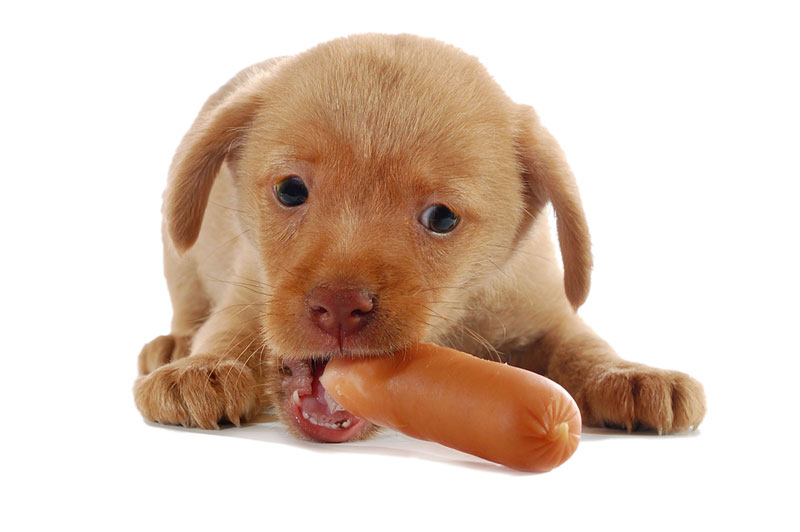
Welcome, fellow pet lovers! If you are like me, you probably find joy in treating our furry friends to the occasional snack. We sometimes find ourselves wondering what foods can safely share with our pets. Today, we have a fun topic that some of us may have pondered: can dogs eat Vienna sausages? You might be thinking about those neatly packed, little sausages in a can that seem like they could make for a tasty treat. Well, let’s unravel the mystery together! The short answer is yes, dogs can technically eat Vienna sausages.
However, there are several factors to take into account before sharing this snack with your pup. Dogs’ diets should be predominantly made up of balanced dog food designed for their nutritional needs, so while a little Vienna sausage might not hurt them, it’s not exactly a great regular snack either. Stay with us as we dig into the details of Vienna sausages and what it means for our canine companions!
As we dive into the details, it’s essential to educate ourselves on the dos and don’ts of doggy snacking. Knowing what’s good for our pets not only makes them happier but also helps us be responsible pet parents. Read on to find out how much Vienna sausages are okay, potential benefits, and the risks that come with these treats. Let’s make sure our pups are happy and healthy!
You might also be interested in: Can Dogs Eat Calamari?
Can Dogs Eat Vienna Sausages?
It may seem tempting to think of Vienna sausages as delightful little treats for our dogs. Let’s face it, they are savory, salty, and smell delicious. But, do they really fit into a dog’s diet? The key consideration here is the ingredients. Vienna sausages often contain various types of meat, such as chicken, beef, and pork, along with seasonings and preservatives that might not be ideal for our furry friends.
Many store-bought Vienna sausages are packed with salt, which can be unhealthy for dogs. Surprisingly, dogs don’t require salt in their diet as much as we do, and an overabundance can lead to health issues like sodium toxicity. Symptoms of salt toxicity in dogs can include vomiting, diarrhea, lethargy, excessive thirst, or even more severe complications.
Modern-day Vienna sausages can also contain nitrates, which are used as preservatives. Ingestion of large amounts of nitrates may not be ideal for your pup, as they can potentially lead to gastrointestinal problems. Some dogs may have heightened sensitivity to these additives, causing distress in their little tummies.
Even with these considerations, you might think, “What if I just give my dog a tiny bit?” That’s certainly a tempting idea, and many dog owners do indulge their pups from time to time. The general consensus is moderation. If you do choose to share Vienna sausages, make it an occasional treat rather than a common occurrence. Don’t forget to monitor your dog for any unusual reactions after giving them this snack.
How Much Vienna Sausages Can Dogs Eat?
So, we can share a little Vienna sausage with our dogs, but how much is too much? This is an excellent question and one that requires our attention as responsible pet owners. Size and breed of your dog play a significant role in determining the quantity of Vienna sausages you can safely give as a treat.
For small dogs, one small piece of Vienna sausage is quite sufficient. Giving them more could lead to complications and possible digestive issues. For our medium to large furry friends, one or two pieces may suffice as an occasional snack, but we should remember that Vienna sausages should never replace their regular diet.
It’s critical to keep portion sizes in check. A good rule of thumb is to account for treats making up no more than ten percent of your dog’s daily caloric intake. If your dog consumes a lot of treats, it could lead to an imbalance in their diet and potential health risks.
For instance, a small dog weighing around 10 pounds may only require around 400 calories a day. In this case, one small Vienna sausage, containingTo approximately 30-50 calories, could easily fit into their treat allowance. Meanwhile, a bigger dog weighing 70 pounds might need upwards of 1,200 calories a day. However, even they shouldn’t have too many sausages due to the salt and preservatives.
Ultimately, the mantra for sharing snacks with our pets is moderation. While it may seem like a fun and tasty idea to give them treats to enjoy, keeping their health as the number one priority should always guide us.
Benefits Of Vienna Sausages To Dogs
Okay, so now we are slowly realizing that Vienna sausages might not be the best treat for our furry friends. But wait! Maybe there are a few benefits after all? Let’s explore what positive aspects Vienna sausages can have if we decide to treat our pets ever so lightly.
Firstly, they may serve as a high-value treat during training sessions. Since dogs are often motivated by delicious and meaty snacks, using a small piece of Vienna sausage as a reward for good behavior could strengthen their knowledge of commands. Positive reinforcement through treats can help dogs associate certain behaviors with rewards, leading to better training outcomes.
Sometimes those picky pups just won’t touch their boring dry kibble! A tiny morsel of Vienna sausage may encourage them to eat. Keep in mind this should always remain an occasional strategy—never a staple in their diet. Our number one goal is to keep them healthy and ensure their main nutrition comes from proper dog food.
Lastly, it can also promote bonding moments between you and your furry friend. Watching them enjoy a special treat, even in small portions, can generate a wonderful sense of happiness. Sharing treats creates those joyful moments that strengthen your relationship. Happy dog, happy life!
Dangers Of Vienna Sausages To Dogs
Now that we’ve discussed some potential benefits, we should balance that out with the risks associated with feeding our dogs Vienna sausages. The health and wellbeing of our pets are paramount, and knowing the dangers can help us make informed decisions.
As mentioned previously, sodium is one of the main concerns. Even if your pup seems okay after consuming a tiny piece, long-term effects of high salt intake can lead to issues such as heart disease, high blood pressure, and chronic kidney problems. We want our dogs to have long, healthy lives, and minimizing their salt intake is a crucial aspect of that goal.
Those delightful little sausages may also contain artificial flavors, preservatives, and fillers. Some pups can experience allergies or intolerances to these ingredients, leading to symptoms like itching, ear infections, or stomach upset. Keeping an eye on your dog for any such reactions after trying new treats can help us keep our fluffy friends safe!
We should also note choking hazards. Even though Vienna sausages are typically soft and easy to chew, there’s still the potential for choking. Small dogs, in particular, may struggle with larger pieces if not cut properly. Always supervise your dog when treating them with new foods. Safety first!
Another risk to remember is the potential impact on their weight. If we’re giving treats often, they may pack on the pounds, especially if it’s not part of a balanced diet. Obesity poses serious health risks for our pets, including joint problems, diabetes, and shorter lifespans. Moderation is key!
Substitutes Of Vienna Sausages For Dogs
Knowing the risks associated with Vienna sausages leads us to explore some healthier alternatives to offer our dogs. It’s always good to have a plan B when it comes to treating our pets. So, let’s ponder some delightful substitutes!
Cooked plain chicken is a tasty and nutritious treat. Just remember to remove all bones and skin first. This protein-rich option is easy for dogs to digest and can be prepared in various ways. Some dogs absolutely adore new flavors, and chicken can help mix things up a bit during meal times!
Another fun option could be small pieces of carrots or green beans. Vegetables are not only fiber-rich but can also contribute to overall health. Crunchy veggies can serve as great snacks that are low in calories, and they can help maintain dental hygiene. Plus, who doesn’t love a bit of color in their pup’s treat collection?
Treats like plain peanut butter can also make pups wag their tail with excitement. Just make sure to select a peanut butter brand without added sugars or artificial ingredients. Most dogs will love licking a spoonful of peanut butter as a special treat!
Lastly, if we are looking for something commercial, natural dog treats specifically formulated for dogs provide a great balance. These treats often have limited ingredients designed for health benefits, ensuring our dogs stay excited about their snacks without compromising nutrition. Always consult with your vet for recommendations!
Can Dogs Eat Vienna Sausages? Frequently Asked Questions
Are Vienna Sausages Safe For Dogs?
They are safe in small amounts, but it is best to limit them due to salt and preservatives.
Can Dogs Eat Raw Sausages?
Raw sausages can pose risks, including bacteria and parasites, so it’s best to stick with cooked options.
How Often Can I Give My Dog Vienna Sausages?
Keep it as an occasional treat rather than a daily snack, to ensure their diet remains balanced.
What Should I Do If My Dog Eats Too Many Vienna Sausages?
Monitor for symptoms and consult your vet if you suspect they have consumed too many.
Can Other Types Of Sausages Be Safe For Dogs?
It’s best to avoid processed sausages altogether and instead focus on healthier snack options.
Final Thoughts
In wrapping up our juicy trip into Vienna sausages and our canine friends, it’s vital to keep in mind moderation and safety. While our furry companions may enjoy the occasional taste of a Vienna sausage, ensuring their overall health and nutrition should be our primary focus. By exploring other snack options together, we can maintain a happy, safe, and nutritious menu for our pets.
For more fascinating insights into food safety for our pets, feel free to check out our articles about foods that pets can eat or can dogs eat chicken gizzards. Let’s continue learning together as loving pet parents!