Welcome to our lively little corner of the internet about our furry friends! If you are like me, you absolutely adore your pets and want only the best for them. Whether it’s spoiling them with belly rubs or nibbling on treats, as loving pet owners, we often wonder about the food we share with our beloved pups. One common question we stumble upon is: can dogs eat thyme?
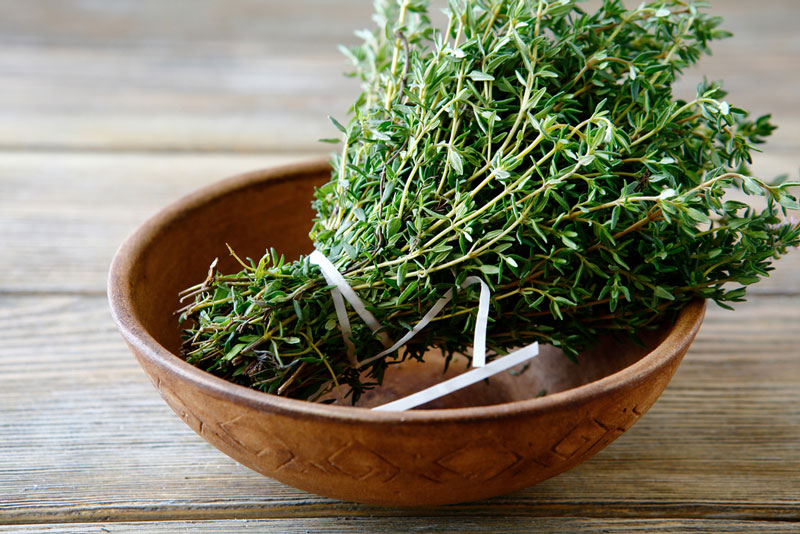
Thyme, that delightful herb with a strong aroma and flavor, is a staple in many kitchens around the globe. It’s often used in cooking for its unique taste, but does it hold up when it comes to our canine companions? Spoiler alert: yes, dogs can eat thyme! In fact, this herb can even offer some health benefits for our tail-wagging pals. So, if you’re pondering adding thyme to your dog’s diet, you’ve come to the right place! We’re about to jump into the juicy details including how much is safe, the benefits, and even the possible risks.
Now that we’ve whetted your appetite for knowledge, keep reading to find out everything you need to know about thyme and its place in your dog’s diet. Let’s unlock the questions surrounding this flavorful herb and ensure our four-legged friends eat wisely while relishing in some tasty treats!
You might also be interested in: Can Dogs Eat Sage?
Can Dogs Eat Thyme?

Alright, let’s get right to the point! Yes, dogs can safely eat thyme in moderation. This herb is rich in vitamins C and A, iron, and manganese, all of which are beneficial for our pets in several ways. Just like humans enjoy the delightful taste of thyme in our culinary creations, dogs also appreciate it when sprinkled on their food. However, it’s important to remember that moderation is key! Too much of anything—even something as wholesome as thyme—can cause unwanted effects on our dogs’ tummies.
Why is thyme a good choice for our pups? Well, for starters, thyme has antimicrobial properties. These amazing characteristics can help bolster our dog’s immune system while warding off harmful bacteria. Additionally, thyme is known to aid digestion. Yup! If our furry friends are prone to tummy troubles, thyme might just be the natural remedy we’ve been seeking.
However, it is wise to consult your vet before introducing new foods into your dog’s diet. Each dog is unique, and what works wonders for one might not agree with another. So, to be on the safe side, give your vet a quick call. Trust me; they will love that you want to take the best care of your pup!
How Much Thyme Can Dogs Eat?
When we talk about how much thyme is good for dogs, we need to be cautious. Just a pinch goes a long way! You can sprinkle a small amount (think about a quarter of a teaspoon for every 15 pounds of your dog’s body weight) into their food. This should provide all the herbal goodness without overwhelming your pooch’s tummy.
Just imagine you’re trying a new spice for the first time—it’s the same for our dogs! If you start adding thyme gradually, you’ll be able to keep an eye out for any signs of an upset stomach or allergy. If they handle a small amount of this tasty herb well, you can slowly increase the amount, remembering to stay within those moderation guidelines. If your dog seems to love the flavor, all the better! Who wouldn’t enjoy being treated like royalty at mealtime?
Also, observe if they are having any strange reactions after consuming thyme. If you notice any unusual behaviors or digestive issues—like excessive drooling, vomiting, or diarrhea—make sure to contact your vet. It’s always best to play it safe and prioritize their health and well-being!
Lastly, while fresh thyme is typically the best option, dried thyme can also be used sparingly. The strongest concentration of flavor and aroma often comes from dried herbs, so it’s wise to use even less than what you would do with fresh thyme. Less is definitely more in this case!
Benefits Of Thyme To Dogs
Oh boy, let’s get excited about the benefits! Thyme is not just a pleasant-smelling herb to have in the kitchen; it’s pretty much a superhero for our pups! As we explore, we can heartily see why thyme deserves a place in your dog’s diet.
Firstly, there’s a treasure trove of vitamins and minerals! Thyme brings vitamins A, C, and B6 to the table. These critical nutrients can improve eyesight, enhance immune function, and overall boost your dog’s health. When we think about giving our pets the best potential life, these traits matter a whole lot!
Then, let’s not forget about the antioxidants. These handy little fighters help protect our furry friends from free radicals that can cause cellular damage. Thyme’s potent antioxidants can contribute to a longer and healthier life for our pups, sort of like giving them a protective shield against the evils of the doggy universe!
Moreover, the antimicrobial properties in thyme help keep pesky bacteria and viruses at bay. A healthy pup is a happy pup, right? This can be especially helpful in those cooler months, where we want to keep our canine comrades healthy and active while we enjoy the refreshingly chilly air outside.
Additionally, thyme can also aid in digestion. If your dog struggles with gastric issues or has been known to have a sensitive stomach, thyme might just be the gentle assistant they need. Many dog owners have successfully used thyme to help soothe canines’ digestive problems, and believe me, we’ve all been there. A happy belly leads to a happy dog!
Let’s not forget the fantastic aroma of thyme! When you add a sprinkle to their food, it can make their meal much more enticing. Sometimes all our pups need is a little flavor boost to make their kibble a little more exciting and inviting. Who wouldn’t want to work a miracle like that!?
Dangers Of Thyme To Dogs
While thyme has a bounty of benefits, we need to pay attention to potential risks before tossing it to our pets like confetti. It’s great to recognize that most dogs can enjoy thyme in moderation without any issues. Still, caution is always the name of the game when introducing a new ingredient into our dog’s diet!
Let’s start with allergies. Yes, dogs have allergies too! Some pups can be allergic to herbs, including thyme, though it’s not super common. Keep an eye out for any unusual reactions after they consume thyme, like sneezing, itching, or hives. If your dog seems uncomfortable after having thyme for the first time, it’s better to consult a vet and discontinue it in the meantime.
Similarly, while we mentioned earlier that thyme is loaded with health benefits, giving too much of it can result in tummy troubles. Overdoing it, particularly with dried thyme, can upset their gastrointestinal tract, resulting in vomiting or diarrhea. Think of it like tossing a whole pizza at your dog—probably not the best idea and definitely not a recipe for a happy pup! Always remember that moderation is key.
In rare instances, if thyme is given to dogs in large amounts, it could lead to more severe complications like seizures. While it’s extremely uncommon, we definitely don’t want to take any chances! Knowing how much thyme to safely give your dog is absolutely essential for their well-being.
If your dog is already on medication, it’s essential to speak with your vet before adding thyme to their meals. Certain herbs can interact with medications, possibly causing unintended consequences. Nobody wants that! So let’s keep them safe, and consult a professional if unsure.
Substitute Of Thyme For Dogs
Looking for substitutes for thyme in your dog’s diet? No problem! There are several other dog-safe herbs you might want to consider. Parsley, for instance, is a fantastic alternative. It’s rich in vitamins and minerals and can also freshen your dog’s breath. Who doesn’t appreciate fresh breath in our canine companions?
Another great option is rosemary! Similar to thyme, rosemary brings a punchy flavor while adding digestible benefits to your dog’s meal. Plus, it’s also infused with antioxidants, which is a big win in our book! Just keep in mind to use it in moderation, just like with thyme. Too much of a good thing is still too much!
Basil is another fabulous substitute to sprinkle over your dog’s dinner plate! This commonly used herb not only provides flavor but also boasts antioxidants. So, it’s like picking the cream of the crop when it comes to herb choices!
If you want to provide variety with your dog’s diet, just be sure to rotate between these options or new herbs. Dogs can get bored with their food, just like we do! So switching out the flavors keeps their mealtime exciting and allows you to sneak in all those healthy benefits while avoiding any possible risks. Just be cautious as you do so, and watch for any reactions before diving deep into a new herb.
And don’t forget that your canine companions might have their own individual preferences! Some dogs may not appreciate certain herbs as much as others, much like how we enjoy different foods. Listening to our pet’s tastes keeps them happy and healthy!
Can Dogs Eat Thyme? Frequently Asked Questions
Can Thyme Help With Bad Breath In Dogs?
Yes, thyme has properties that can assist with freshening up your dog’s breath. Incorporating small amounts of thyme into their meals may help combat the notorious doggy breath!
Is Thyme Safe For Puppies?
Yes, but only in very small amounts! Always start with a tiny sprinkle, and be sure to monitor them closely. Consult your vet as a precaution to ensure it’s suitable for your puppy’s unique needs.
Can I Use Dried Thyme Instead Of Fresh Thyme For my Dog?
Absolutely! However, use even less dried thyme due to its concentrated flavor. A small amount goes a long way, so proceed with care.
Should I Consult My Vet Before Giving My Dog Thyme?
Yes, it’s wise to talk to your vet before adding any new herbs to your dog’s diet. Each dog is unique, and your vet can guide you on any potential risks based on your dog’s specific health situation.
Can Dogs Eat Thyme If They Have Gastrointestinal Issues?
While thyme can aid digestion, it’s still smart to consult your vet if your dog is facing any gastrointestinal problems. They can recommend the best course of action tailored to your dog’s individual circumstances.
Final Thoughts
At the end of the day, thyme can be a delightful and health-promoting addition to your furry friend’s diet—when used in moderation! By sprinkling this vibrant herb on their food, we can give our pups a flavor boost alongside a plethora of benefits. Remember to keep an eye on them when trying thyme for the first time, and consult your vet if you have any concerns. Let’s promote health and happiness among our beloved dogs, one tasty treat at a time!
If you’re eager to explore more about pet-friendly foods, be sure to check out our other articles like food that cats can eat for insights on what we can safely share with our furry friends. Who knows? You might discover the next best treat for your beloved pet!