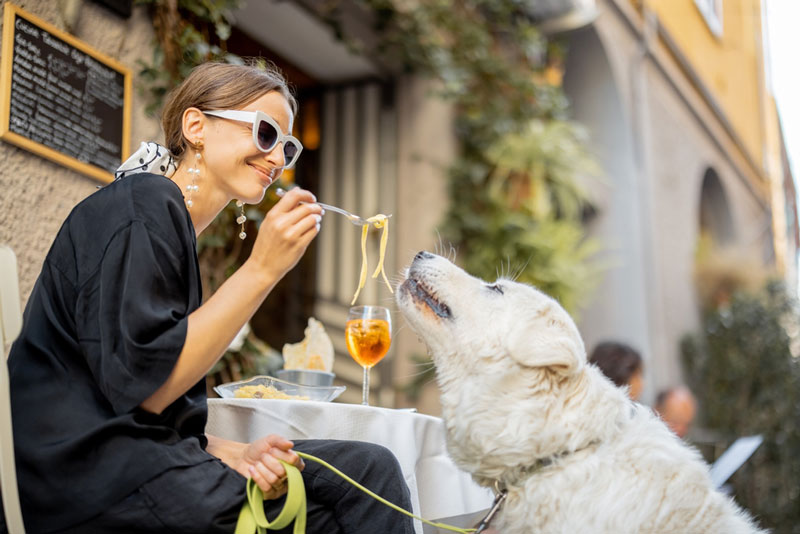
Welcome to our friendly corner of pet care! We all love our furry friends and often want to share everything, including our meals. One common question that pops up is can dogs eat spaghetti? When we sit down with our pasta, it’s hard not to think about how much our pups would love to be included in our mealtime. Just imagine those puppy eyes staring up at you, wishing for a taste of that spaghetti.
The good news is that dogs can eat spaghetti, but there are some things we need to keep in mind. Spaghetti itself is not toxic to dogs, but the sauce, seasonings, and other ingredients can be. So, while it’s tempting to share a plate of pasta with our four-legged companions, we must be cautious about what exactly is on that plate.
As we explore this delightful topic, we’ll discuss how much spaghetti is safe, the benefits it can offer, the potential risks you should be aware of, and even some tasty substitutes if you want to spoil your dog. Trust us, you’ll want to stick around for all of this!
You might also be interested in: Can Dogs Eat Macaroni And Cheese?
Can Dogs Eat Spaghetti?
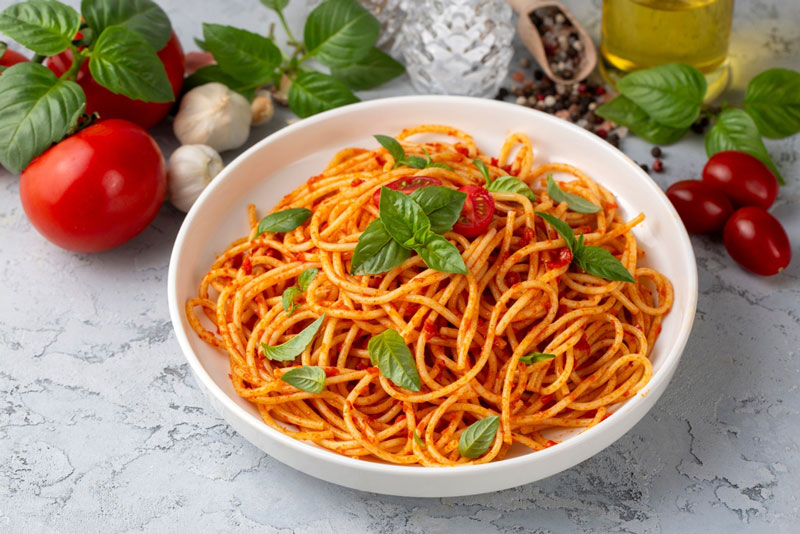
Yes, dogs can eat plain spaghetti, which is typically made from wheat flour and water. It is a carbohydrate source, so giving a bit of plain, cooked spaghetti to your furry friend is generally safe. However, moderation is crucial! Pasta contains carbohydrates that, while not harmful, shouldn’t make up a large part of your dog’s diet. We all know that dogs thrive on protein-rich, balanced diets primarily consisting of dog food!
Let’s break down what we should consider when offering spaghetti to your dog. Plain spaghetti is usually made from simple ingredients: flour and water. Remember, though, that we should always be cautious about what else we might add to our pasta. Sauces, garlic, onions, and spices are often used to dress up a spaghetti dish, and these can be harmful to our dogs.
Because of their sensitive stomachs, we should also keep an eye on how our dogs react to new foods. Some dogs may have allergies or food intolerances. If we’re introducing spaghetti or any new human food into their diet, it’s best to start small and watch for any adverse reactions like vomiting or diarrhea. After all, we wouldn’t want a surprise mess to clean up later!
Spaghetti can be a fun treat for our dogs, especially if they enjoy the texture. A little taste from our plate can be a unique experience for them. Think of it as a little gift when you’re having dinner together! Just keep it simple and ensure your dog stays healthy.
How Much Spaghetti Can Dogs Eat?
Now that we know plain spaghetti is generally safe for our dogs, the next question is how much can they eat? It’s important to keep our servings appropriate. Generally, a small amount is best—perhaps a few strands or a few bites mixed in with their regular dog food.
When we decide to treat our pups with spaghetti, remember that portions matter. Dogs aren’t like us; they don’t need a full plate! Small amounts can be a great way to offer something different without overdoing it. Think of it as a special treat rather than a main meal.
Another important factor is the size of your dog. A tiny Chihuahua won’t need the same amount of spaghetti as a big Labrador Retriever. It’s crucial to adjust portion sizes based on your dog’s weight and dietary needs. A larger dog may be able to handle a few extra bites, while a smaller one might need to stick to just one or two strands to avoid an upset stomach.
As with any treat, balance is key. If we give our dogs spaghetti, we should reduce the amount of their regular diet slightly to account for the extra calories. Too many carbs can lead to weight gain, and no one wants a pudgy pup!
We must remember that pasta should always complement, not replace, a balanced diet. If we notice any negative effects after our dog has eaten spaghetti, it’s best to consult a vet. They can help us understand what’s right for our pet and if any adjustments are needed. Listening to our pets and learning what works best for them is essential!
To sum it up, serving them a few strands of spaghetti occasionally is fine. Just watch the amount closely! When unsure, always turn to our vet for advice specific to our furry friends. They know what’s best and can help us make informed decisions.
Benefits Of Spaghetti To Dogs
Let’s discuss the benefits of letting our pups indulge in a little spaghetti. First, plain spaghetti can serve as a fun and enticing treat. We all know how much dogs enjoy trying new things, and sharing a bite of pasta can create a joyful bonding moment!
One of the benefits of giving our dogs a little plain spaghetti is the source of carbohydrates. Carbs can provide energy, which is essential for our active pets. They fuel those playful runs around the yard or the exuberant zoomies we love to watch. However, it’s crucial to remind ourselves that carbohydrates should be limited, as their primary fuel source should still come from balanced dog food.
Spaghetti can also be appealing to dogs because of its texture. Many dogs enjoy different kinds of food and will appreciate the chewy, stringy nature of pasta. It can add excitement to mealtime! Mixing in a few bites of spaghetti with their usual food might even make them more enthusiastic about eating.
By introducing new foods like spaghetti, we can enrich our dog’s sensory experience and contribute to their overall enjoyment of food. Just remember to stick to simple, safe options, and always prioritize a balanced diet!
Not only does pasta offer moments of joy and interactivity when we share it with our pets, but it can also be a unique bonding experience when we prepare meals. As we gather to eat, dogs being involved in the dining experience can strengthen that unwavering loyalty and love they already share with us. It’s a simple gesture that can mean a lot.
Though pasta has its benefits, we must remember the importance of balance. Plain spaghetti should complement a dog’s main diet of protein and nutrients. When we realize this, we can offer those spaghetti bites as occasional treats rather than a regular feature in their meals!
Dangers Of Spaghetti To Dogs
While spaghetti can be a fun treat, we should also be aware of the risks associated with giving it to our dogs. They may react differently to new foods, so let’s look closely at what we might encounter.
One significant risk is simply overindulgence. Overfeeding our dogs can lead to obesity, and we surely do not want heavy pups running around. Extra carbs can contribute to weight gain if they’re not compensated with reduced portions of regular food. Keeping an eye on portion sizes will help maintain our dog’s health.
Next, we need to pay attention to ingredients and sauces. Think about the delicious marinara sauce with garlic and onions that we often enjoy—we have to resist the urge to share! Onions and garlic can both be toxic to dogs and lead to serious health issues. Even small amounts can cause problems!
While plain pasta is safe, incorporating sauces or seasoning could lead to discomfort or health risks for our furry friends. If we want to share spaghetti with our dogs, it will be wise to stick strictly to plain, unseasoned pasta to avoid scary surprises.
Some dogs also have sensitive stomachs. Introducing new foods too quickly can lead to gastrointestinal upset, resulting in diarrhea or vomiting. Nobody wants a messy house! Gradually offering new foods and observing how our dogs react is essential. Starting small can help us gauge tolerance and avoid trouble.
In summary, while sharing spaghetti with our dogs can lead to joyful moments, it’s vital to exercise caution! Sticking to plain spaghetti and proper portion sizes will keep our pups happy and healthy. When in doubt, don’t hesitate to consult a vet—they’re always ready to help guide us in making the best choices for our four-legged friends.
Substitute Of Spaghetti For Dogs
Not only is it fun to think about whether our pups can nibble on spaghetti, but we may also want to consider some tasty alternatives if we’re a bit wary. Let’s explore some delicious substitutes that are not only safe but nutritious for our dogs.
One great alternative is whole grain pasta. It can be a healthier option that is rich in fiber and can be better for digestion. Consider swapping out traditional wheat pasta for whole grain or brown rice pasta—but remember that they still need moderation!
Another fun substitute can be pumpkin. This nutritious vegetable is great for keeping our dogs feeling full and supports healthy digestion. If we mash or puree some pumpkin, it can be mixed with their food to create a tasty, satisfying treat! It’s tasty and has health benefits as well.
Carrots and sweet potatoes can also work wonders. They make excellent snacks, are full of nutrients, and dogs often love the sweetness. Diced or cooked carrots, or mashed sweet potatoes can provide variety to mealtime without the potential risks of sharing spaghetti.
When we want to indulge our dogs, frozen fruits like blueberries in moderation can add freshness! Dogs typically enjoy a few chilled berries on hot days, and it’s an excellent way to keep our pups cool and excited at the same time.
As we think of comforting carb options, we can explore different kinds of fruits and vegetables that can offer exciting tastes, too! Adding variety keeps meal times interesting and can provide numerous health benefits. Striking the balance between treats and ordinary meals helps in maintaining our pups’ exciting culinary adventures while still keeping them healthy.
In conclusion, while traditional spaghetti can be safe in moderation, there are wonderful alternatives that cater to dogs’ taste buds and provide lots of nutrition! From whole grain pasta to pumpkin and sweet potatoes, we have options that can keep our dogs happy and healthy. We should always remember to check with a vet before making significant changes and be mindful of how our furry friends respond to new foods!
Can Dogs Eat Spaghetti? Frequently Asked Questions
Is Spaghetti Safe For Dogs?
Yes, plain, cooked spaghetti is safe for dogs to eat in moderation. However, sauces or additives can pose risks, so always offer plain pasta!
What Happens If A Dog Eats Spaghetti With Sauce?
If a dog eats spaghetti with sauce, it can potentially lead to an upset stomach, especially if it contains garlic, onions, or other harmful ingredients. Watch for symptoms and consult a vet if necessary.
Can Small Dogs Eat Spaghetti?
Yes, small dogs can eat spaghetti, but they should only have small portions. Bigger portions are unnecessary and may lead to weight gain.
Can Dogs Eat Leftover Spaghetti?
Leftover spaghetti can be offered to dogs, but only if it is plain, without unhealthy sauces or seasonings. Always check for any added ingredients before sharing!
What Should I Do If My Dog Gets Sick After Eating Spaghetti?
Monitor your dog for symptoms and consult a vet if you notice anything unusual. They can help determine any necessary course of action!
Final Thoughts
Sharing a bite or two of plain spaghetti can be a delightful treat that brings joy to our furry friends. However, it’s crucial that we keep a close eye on portions and ensure that what we offer is safe and free from harmful ingredients. No one likes a sick pup, and we want to keep our furry companions feeling great!
While spaghetti can definitely be a fun treat, don’t forget to explore more about dog-friendly foods. For a wholesome variety, consider looking into other delicious options that can complement their diet. If you’re curious, wondering whether your pet can enjoy various human foods? Check out our article on foods our furry friends can eat or discover what meats are safe for our furry friends by visiting what meats can cats eat. Always prioritize their health and explore what options work best for them while we enjoy each other’s company!