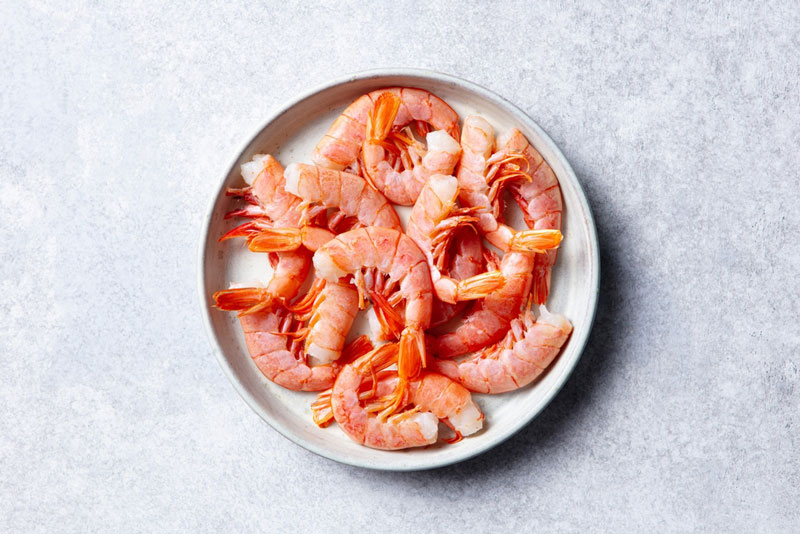
Are you a proud pet parent wondering if you can share your love for shrimp with your furry friend? It’s understandable! Our dogs often gaze at us with those big, hopeful eyes, making it hard to resist sharing our delicious meals with them. This curiosity leads us to question everything we eat—can our dogs eat shrimp tails, for instance? In this article, we will find out the facts behind this seafood treat, ensuring our pups stay healthy and happy.
So, can dogs eat shrimp tails? The short answer is no, and here’s why. Shrimp tails are not safe for dogs to consume as they can pose a choking hazard or cause digestive issues. The tails can be sharp and difficult to digest, potentially leading to injury in their mouths or digestive tracts. While shrimp itself is generally safe for our four-legged pals when cooked properly and served without added seasonings, the tails are best kept off the menu.
If you’re looking to expand your knowledge about what our furry companions can eat, keep reading! We’ll explore how much shrimp is safe for dogs, the benefits of including shrimp in their diet, possible risks and dangers, and alternative treats. Get ready for a fun ride filled with knowledge that’ll help you and your pup enjoy mealtime together more safely!
You might also be interested in: Can Dogs Eat Fried Shrimp?
Can Dogs Eat Shrimp Tails?

It’s important to know that while shrimp can be a delightful treat for dogs, shrimp tails are a big no-no. The main reason for this is that shrimp tails can be tough and jagged, potentially leading to choking or, even worse, injury in your dog’s mouth or digestive system. We want to keep our furry friends safe, right? Tail bits may be small, but they can cause some serious issues if consumed.
Now let’s dive into the details about shrimp themselves. Shrimp, when cooked and given in moderation, can be a healthy snack for dogs. It’s packed with protein and low in calories, which makes it a great treat, especially for those pups who might need to watch their weight. However, when we consider shrimp tails, we see that while the shrimp can be beneficial, the tails can negate these benefits with their danger.
Think of it like this: we want our dogs to enjoy many kinds of safe foods, and we should always choose wisely. Because many of us might feel inclined to give our fur babies a little bit of whatever we are eating, it’s good to know the safe options straightaway. Shrimp tails are not among them.
When thinking about our doggy diets, it’s good to know what they can and cannot eat. Putting their health first ensures that we enjoy our time with them for many years to come. So, take a pass on those shrimp tails and stick with the meat portion of the shrimp instead. This way, you can share a delicious treat with your furry companion without worrying about their safety!
How Much Shrimp Tails Can Dogs Eat?
Providing shrimp as an occasional treat can be fun and beneficial for dogs, but moderation is the key. If you choose to give your pup shrimp, make sure to keep the portion small to avoid any tummy troubles. As with any food, it’s crucial to start gradually. We’ve all been there; a new food isn’t always a perfect fit for every dog.
So, how much shrimp should we offer our dogs? Generally, small to medium-sized dogs can safely enjoy one or two shrimp at a time, while larger breeds can have up to three or four. However, it’s vital to consider your dog’s size, weight, and specific dietary needs when introducing shrimp to their diet. If you’re unsure, consulting with your vet can be very helpful.
When serving shrimp, ensure they are simply cooked without any added seasoning or ingredients like garlic, onion, or butter. These can be harmful to dogs. The best method is boiling or steaming the shrimp and then peeling and deveining them before giving them to your pooch. Remember, shrimp tails go in the trash, not in your dog’s bowl!
Always monitor your dog when they eat a new food. This way, you can watch for any allergies or unpleasant reactions. We never want our pets to feel uncomfortable or sick, so staying cautious with new treats is key.
Whenever we introduce new foods into their diet, we should remain mindful of how our dogs adapt and react. Things like changes in behavior or tummy issues can indicate that the new treat doesn’t sit well with them. If that happens, it’s always best to consult with our veterinarian to ensure that everything is alright and to keep our furry friends on a healthy path.
Benefits Of Shrimp Tails To Dogs
While shrimp tails might be unsafe for dogs, feeding them cooked shrimp can bring some great benefits. As with any food we share with our dogs, we want to be sure it brings them joy and health. When properly prepared, shrimp is a fantastic source of protein and can be a wonderful dietary addition for our four-legged friends. Let’s take a closer look at why shrimp can be a beneficial treat.
Shrimp is rich in protein, which is crucial for building and repairing muscles. For active dogs that require extra energy, shrimp can provide that additional boost. Plus, protein plays a significant role in maintaining a healthy immune system. Feeding your dog high-protein foods like shrimp may help keep them strong and energetic.
In addition to protein, shrimp contains omega 3 fatty acids that are known to support heart health. Omegas can help maintain a healthy coat and skin, too. We all know that a shiny, soft coat is something we love to see on our pets. We want them to thrive and look fantastic! Omega 3s can contribute to a shiny, healthy appearance, making our pups feel their best.
Another benefit of shrimp is that it’s low in calories. For those we might call “big-boned” or for dogs that need to manage their weight, shrimp can serve as a lower-calorie treat alternative. This means that we can reward our dogs without adding unwanted calories to their diet, allowing them to stay trim and healthy while still indulging every now and then.
However, we must consider the nutritional value and how often to provide shrimp. Balance is key here. Like anything, moderation is essential, and we should always be mindful about the overall diet we’re giving them. Mixing in shrimps as an occasional reward can be part of a well-rounded meal plan.
It’s always worthwhile to explore new ways to keep our dogs healthy and to show them how much we adore them. Just remember, steering clear of those shrimp tails and focusing on the body of the shrimp will ensure we stick to healthy and safe choices for our furry friends!
Dangers Of Shrimp Tails To Dogs
While the thought of sharing treats like shrimp with our furry companions can be exciting, it’s critical to understand the risks associated with such choices. As we already know, shrimp tails are not safe for dogs. Let’s take a closer look at the dangers and risks involved with feeding shrimp tails to our dogs.
The most significant risk stemming from shrimp tails is the choking hazard they present. Like we mentioned earlier, shrimp tails can be tough and sharp, which can lead to blockages in your dog’s throat or digestive tract. Imagine your dog trying to swallow something that just won’t go down—what a frightening experience for both of you! It’s always heartbreaking to see our pets in distress, and we want to do everything we can to avoid that.
In addition to choking, if a piece of the tail does manage to make its way past their throat, it can cause an injury to the lining of their digestive system. This can lead to complications like internal bleeding or infections. These situations can quickly escalate into health emergencies, which certainly isn’t what we want for our dogs.
Some dogs may have more delicate digestive systems than others, making them more prone to experiencing gastrointestinal issues after eating unfamiliar foods. Feeding shrimp tails may cause vomiting, diarrhea, or even pancreatitis, which is an inflammation of the pancreas that can be incredibly serious. A little bite can quickly turn into something much more significant, so we must prioritize our dog’s health first.
If by chance your dog accidentally consumes shrimp tails, make sure to keep an eye on them and pay attention to any unusual behavior. Signs of distress could include coughing, retching, or a lack of appetite, and in these cases, a trip to the vet would be prudent. Always better to be safe than sorry, right?
Instead of taking those risks, let’s stick to only safe parts of the shrimp and share the joy without the potential for harm. Taking care of our pets is our responsibility and making smart choices can make all the difference!
Substitute Of Shrimp Tails For Dogs
If we need to find alternatives to shrimp tails, ask ourselves: what can we give our dogs as a treat instead? The good news is there are plenty of healthy and enjoyable options for our furry friends that come without the risks associated with shrimp tails. Finding substitutes can keep our dogs happy and healthy while still indulging their food curiosity.
Lean meats are an excellent option, like cooked chicken or turkey. They provide similar benefits to shrimp without the choking hazard. It’s essential we prepare the meat without any seasoning or harmful ingredients like garlic and onions. Simple, plain cooked chicken or turkey is delicious and safe for dogs, serving the same protein-boosting purposes we appreciate from shrimp.
Fish can be another delightful substitute. Just like shrimp, fish such as salmon or tuna can be high in protein and omega fatty acids, offering the same rewards to our pets while eliminating the risks associated with shrimp tails. When serving fish, just ensure that it’s cooked thoroughly, deboned, and served plain—our dogs should enjoy their meals with safety in mind.
If you’re looking for more chewable options, consider healthy dog treats made with wholesome ingredients specifically designed for pets. These treats are perfect for puppies too. They often come in various flavors to keep things interesting for our dogs. Being packed with nutrients, they will satisfy our furry friends and tend to their overall health.
Don’t forget to consider fresh fruits and vegetables! Foods like carrots or apples can be delightful treats, providing a crunchy texture that dogs often love. These healthy options are free from a lot of the risks that come with feeding them scraps from our meals. Just make sure to cut them into bite-sized pieces and ensure they are safe for dogs.
Overall, finding substitutes for shrimp tails helps keep snack time fun without any dangers. Keeping those tails away from our dogs will lead to great mealtime experiences while maintaining their health and happiness at the forefront.
Can Dogs Eat Shrimp Tails? Frequently Asked Questions
Can My Dog Eat Shrimp At All?
Yes, dogs can eat shrimp as long as it is cooked properly and served without any seasoning. Just be sure to remove the shell and avoid giving them the tails.
What Should I Do If My Dog Eats Shrimp Tails?
If your dog accidentally eats shrimp tails, watch for any signs of distress, such as coughing, retching, or vomiting. If any serious symptoms appear, consult your vet immediately.
How Can I Safely Prepare Shrimp For My Dog?
Cook shrimp by boiling or steaming them without any added oil or seasoning. Remove the shell, and only serve the shrimp meat to your dog.
Are There Any Health Benefits To Feeding My Dog Shrimp?
Shrimp is a great source of protein and omega fatty acids, promoting healthy skin and coat. It can be a nutritious treat when fed in small amounts!
What Are Some Safe Treats I Can Give My Dog Instead Of Shrimp?
Some great alternatives include lean meats, fish, fresh fruits and veggies, or high-quality dog treats designed specifically for canine palates.
Final Thoughts
As pet owners, we want nothing but the best for our furry companions. Understanding what foods are safe and beneficial, as well as what to avoid, is key to their health and happiness. We learned that while shrimp itself can be a delightful treat in moderation, shrimp tails should be kept off the menu to ensure our pets stay safe. Monitoring our dog’s diet and knowing what to watch for can help us avoid potential dangers associated with consuming harmful foods. By making safe choices for their meals and snacks, we can strengthen our bond and keep our dogs feeling fantastic!
If you’re curious about other foods that may be safe for your pets, check out some articles like Can Cats Eat Shrimp Tails? or explore Can Dogs Eat Crawfish? for more insight. Our dogs deserve the best, and armed with the right information, we can provide just that! Happy snack time!