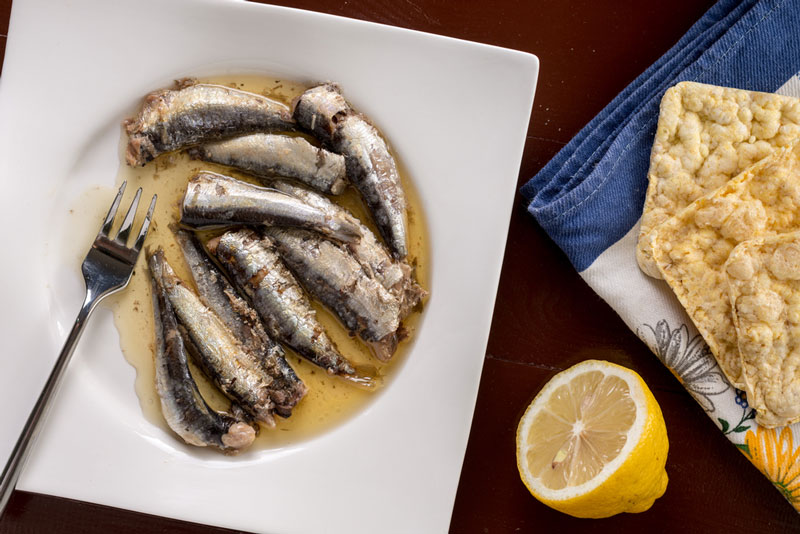
As friendly pet lovers and dedicated vets, we often find ourselves pondering the nutritional needs of our furry friends. After all, what’s better than sharing a little indulgence with our loyal companions? Many of us love to spoil our dogs with tasty treats, but we want to ensure that they are safe and healthy. One food that sometimes comes up in these discussions is sardines in olive oil. So, can dogs eat sardines in olive oil? This is a common question, and the answer is yes! Sardines can be a nutritious and tasty treat for our pups. They’re packed with essential nutrients that can benefit our dogs’ health.
But wait! Before you rush off to your pantry to grab those sardines, it’s vital to understand the best ways to share them with our pups. In this article, we’ll explore everything about feeding sardines to our dogs, including how much to give, the benefits, the risks and some great substitutes. So, keep reading to learn more about whether these little fish can be a healthy addition to our dogs’ diet!
You might also be interested in: Can Dogs Eat Sushi?
Can Dogs Eat Sardines In Olive Oil?

When it comes to sharing food with our four-legged pals, substitution is always a smart move. Sardines are known for being an excellent source of vitamins, minerals and Omega-3 fatty acids. However, while sardines can be beneficial, we should be cautious about how we serve them. Plain sardines are the best choice for our dogs. So, yes, dogs can eat sardines in olive oil, but let’s explore this topic a bit more.
Olive oil typically isn’t harmful to dogs in moderation. In fact, it can offer certain benefits, such as improving coat health and aiding digestion. Yet, it is essential to remember that some dogs may have sensitive stomachs. Some canines may not handle the richness of olive oil very well; too much can lead to gastrointestinal upset. It is best to introduce new foods gradually into our pups’ diets, extending only a small portion of sardines in olive oil at first and monitoring their reaction closely.
How Much Sardines In Olive Oil Can Dogs Eat?
Deciding how much sardines in olive oil to share with our pups can be a little tricky. As responsible pet owners, we want to ensure we’re not overdoing it. A reasonable guideline is to offer sardines as an occasional treat rather than a daily meal component. For larger breeds, around one ounce of sardines could be a safe and satisfying portion, whereas for smaller breeds, half an ounce is a safe start. Remember, sardines are energy-dense, so we must pay attention to portion control.
Additionally, it’s important to fit the serving size within the daily calorie intake for our dogs. Calories should come primarily from their normal dog food—sardines should be a special treat rather than a staple meal. Always check with your veterinarian for personalized advice tailored to your dog’s size, age and health status.
When we think of how much to feed our pups, we should always take into consideration their activity levels. A more active dog may handle a slightly higher portion than a couch potato. As always, introducing new foods should be done gradually. Starting with a smaller amount and observing how our furry friends react can help us avoid unnecessary tummy troubles.
Benefits Of Sardines In Olive Oil To Dogs
Ah, the benefits of sardines! Who knew these little fishies could pack such a punch? Sardines are like tiny nutritional powerhouses that can be an excellent addition to our dogs’ diets. They are loaded with Omega-3 fatty acids, which are known to support heart health, reduce inflammation, and promote a shiny coat. It’s not just about looks—having a beautiful coat can be beneficial for our dog’s skin health too.
Sardines are also a source of high-quality protein, which is vital for maintaining our dogs’ energy levels and muscle mass. Dogs need protein for various purposes, including tissue repair and immune function. When we switch things up with sardines, we add variety to their diet, which can be exciting for our dogs. Everyone loves a little surprise in their food bowl!
Furthermore, sardines contain essential vitamins and minerals, such as Vitamin B12 and selenium, which help support healthy brain function and strengthen the immune system. These little fish can be beneficial not only for physical health but also for cognitive performance and overall wellness. Nature truly provides us with some impressive ingredients!
Dangers Of Sardines In Olive Oil To Dogs
Of course, as we all know, even the healthiest foods can have risks when it comes to our pets. While sardines can be a real treat, we have some responsibilities to consider. First off, we can’t forget about the salt content in sardines packed with olive oil. Some brands can be excessively salty. Too much salt can lead to serious health issues, including sodium ion poisoning and increased thirst or urination for our fur babies.
Another concern is the possibility of mercury and other contaminants found in fish. While sardines generally have lower mercury levels compared to other larger fish, we still need to be cautious. It is important to balance our dog’s diet with a variety of foods and not rely too heavily on sardines.
Lastly, some dogs might have food allergies or intolerances. If you’re concerned about introducing sardines to your pup’s diet, it’s always best to speak with a veterinarian beforehand. They can give us tailored advice based on our dog’s needs and history.
Substitute Of Sardines In Olive Oil To Dogs
Looking for alternatives? We get it! Sometimes our dogs might not be interested in sardines, or maybe we’re just out! No worries—there are many tasty treats to share! Some excellent substitutes can include cooked salmon, chicken, or even sweet potatoes! Salmon is another omega-three rich fish that dogs often enjoy, and it provides many of the same benefits as sardines. Just be mindful to remove all bones before offering any fish!
Chicken is often a favorite for dogs and can be an excellent source of protein and nutrients. You can sometimes mix it with vegetables or serve it as a standalone picnic treat. And don’t forget about good ol’ sweet potatoes! These are nutrient-dense and safe for dogs. Mashed, baked or grilled, sweet potatoes can be a delightful addition to your dog’s plate.
Offering a variety encourages a healthy diet and also prevents pickiness! Just like we enjoy different meals, our furry friends are also up for exciting culinary explorations. It can lead us to discover potential favorites we never knew they’d love!
Can Dogs Eat Sardines In Olive Oil? Frequently Asked Questions
Can All Dogs Eat Sardines?
Most dogs can consume sardines, but those with specific health issues or allergies may need to avoid them. Always consult with your veterinarian before introducing new foods to your pet’s diet.
Are Canned Sardines Better Than Fresh?
Both canned and fresh sardines come with their benefits. Canned sardines can be more accessible and have a longer shelf life. However, check the label for added salts or preservatives. Fresh sardines offer beneficial nutrients in their natural state.
How Should I Serve Sardines To My Dog?
Serving sardines can be simple! You can offer them from the can by draining any excess oil or even mixing them with your dog’s regular food for an extra tastiness boost!
How Often Can My Dog Have Sardines?
In moderation, sardines can be treated as an occasional snack. We can integrate them into our dog’s diet a couple of times a week, depending on their overall health.
Can Dogs Eat Sardines In Other Types Of Oil?
It’s preferable to stick with sardines in olive oil or water. Other oils like soybean or sunflower may not provide the same benefits and can be less healthy for dogs.
Final Thoughts
In the end, sharing sardines in olive oil can be a fun treat for our furry companions while supporting their health and happiness. However, we must always be mindful of how we introduce new foods and ensure they fit within our dogs’ well-rounded diets. Sardines offer wonderful nutrients, but moderation remains key!
If you’re looking for more exciting food ideas for your pets, don’t hesitate to explore various options. For instance, did you know that cats can enjoy sweet potatoes too? Discovering what foods our pets can safely eat expands our meal options and keeps our pets happy and healthy. For more tips on what human foods can be given to our pets, feel free to check out this interesting article! Our beloved companions deserve the best!