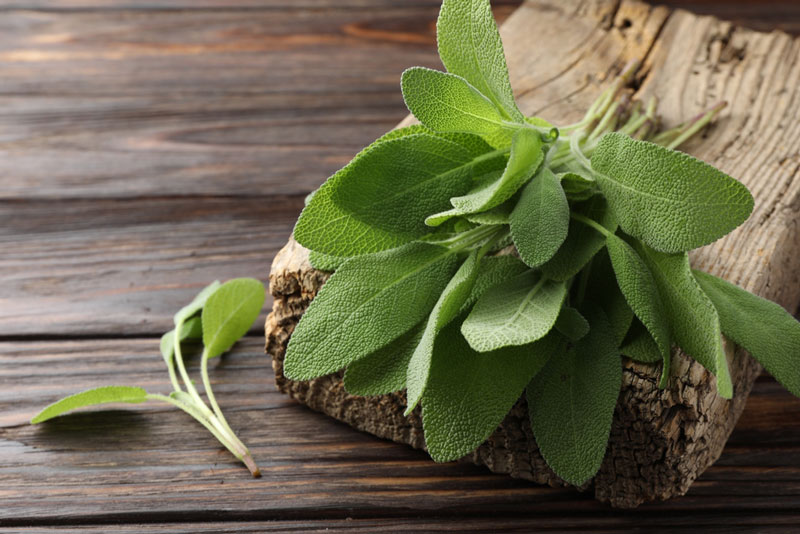
Welcome to our furry friends’ food adventure! As pet lovers, we all want what is best for our dogs. We often find ourselves wondering about various herbs and foods that we may come across while cooking or gardening. One common herb is sage. In the midst of our culinary explorations, an interesting question arises: Can dogs eat sage? It’s always great to explore such topics because our dog’s health and happiness depend on the right choices we make for them. So, let’s embark on this flavorful journey together!
Sage, scientifically known as Salvia officinalis, is a popular herb used in various cuisines for its distinct flavor. While sage is generally recognized as safe for humans, this doesn’t automatically make it safe for our canine companions. Now, let’s get into that curious question; can dogs eat sage? In moderation, sage is considered safe for dogs. It contains helpful nutrients, including vitamins and antioxidants, which can contribute positively to their health. However, everything has its limits, so let’s dive into the details so we can make the best choices for our beloved pups!
If you want to ensure that our furry friends enjoy a wide variety of foods, or are interested in other foods like cats’ favorites, stick with us as we discuss sage and much more. We’ll make sure to cover everything you need to know about sage in relation to dogs, from benefits to risks and even substitutes. With us, you’re about to become an expert in choosing the right foods for your furry companions!
You might also be interested in: Can Dogs Eat Raw Asparagus?
Can Dogs Eat Sage?

Sage is a herb that’s been cherished throughout human history for its culinary and medicinal benefits. Its aromatic leaves can add a delicious flavor to your meals, but what about our dogs? The short answer is yes, dogs can eat sage, but it’s important to understand the context. Sage can be beneficial to dogs when given in small amounts. The herb contains vitamins such as A, C, and K, as well as certain essential oils, which may aid in various health aspects such as reducing inflammation or helping with digestion.
However, it’s crucial to keep in mind that not every dog will respond positively to sage. Just like humans, dogs have individual systems that might react differently to certain foods. While some may enjoy the taste of sage and reap its benefits, others may face digestive issues or allergic reactions. Always monitor your dog after introducing sage to their diet to ensure they’re handling it well.
If you want to share a taste of sage with your canine friend, it’s a good idea to infuse it into their food in little amounts. A sprinkle of dried sage or a tiny piece of fresh sage can be enough to enjoy this aromatic herb. Remember, moderation is key. Overindulging, even in healthy foods, can lead to tummy troubles for your pup!
How Much Sage Can Dogs Eat?
When it comes to incorporating sage into our dog’s diet, knowing how much to share is essential. We recommend introducing sage gradually and ensuring that it’s only a small part of their overall diet. Start by offering a pinch of dried sage or a tiny piece of fresh sage added to their food. You might want to aim for about a quarter teaspoon for larger dogs and an even smaller amount for smaller breeds.
It’s worth mentioning that if you’re introducing any new food, including sage, it is best to consult with your veterinarian beforehand. They can provide guidance based on your dog’s specific needs and conditions. For instance, pregnant or nursing dogs, as well as dogs with certain health issues, may have special dietary considerations. It’s always a good practice to err on the side of caution!
When serving sage, watch for any signs of discomfort or digestive issues, like an upset stomach or changes in potty habits. If you observe any unusual reactions, stop serving sage and consult your vet for advice.
Remember, while you may have your plate full of sage-infused dishes, our furry pals can enjoy only a sprinkle here and there! Take it slow, and give them just enough to enjoy the flavor without any adverse effects.
Now, it’s important to understand how sage can impact your dog’s health positively and negatively. That’s what we’ll cover next!
Benefits Of Sage To Dogs
Sage offers a variety of potential benefits for dogs, mostly attributed to its nutrient composition. The vitamins found in sage can support our furry friends in several ways. For example, vitamin A, which is present in sage, can promote good vision and skin health. Likewise, vitamin C can help with your dog’s immune system and collagen production, which is essential for maintaining healthy skin and joints.
Moreover, sage is known for its antioxidant properties, which can help combat free radicals in our dog’s bodies. Antioxidants are the superheroes of nutrition, and they help in reducing the risks of chronic diseases. For dogs, regular consumption of antioxidants may lead to an overall higher quality of life as their bodies fight off illnesses and age gracefully.
Sage may also possess anti-inflammatory properties, which might be beneficial for dogs suffering from joint pain or other inflammatory conditions. An anti-inflammatory diet can be particularly helpful for older dogs who often struggle with arthritis or joint issues. Even if sage is not a cure-all, every little positive addition to their diet can help in the long term.
Sage’s distinct aroma can have a calming effect on dogs, just as it does for humans. Some pet parents even find that cooking with sage helps create a serene atmosphere for their pets, promoting relaxation. Dogs often have an affinity for pleasant smells, so exposing them to the wonderful aroma of sage can brighten their day.
Taking special care of our puppers involves understanding what benefits they can gain from the food we share with them. It’s essential to remember that while sage has some healthy properties, its consumption must complement a balanced and nutritious diet tailored to our dog’s overall needs.
Dangers Of Sage To Dogs
While sage has its charming benefits, it isn’t without its concerns, and we must be vigilant about the potential risks associated with feeding it to dogs. The biggest danger of sage is its essential oil content, which can be quite potent. High concentrations of essential oils can lead to toxicity. Therefore, when using sage in your dog’s diet, make sure only to use small amounts of the herb itself, not concentrated oils.
Some dogs might experience digestive issues after consuming sage, especially if they consume an excess amount. Symptoms such as vomiting, diarrhea, or a lack of appetite are signals that something isn’t quite right. If your dog exhibits any unusual symptoms after eating sage, it is best to contact your veterinarian for advice.
The risk of allergic reactions is another concern. Some dogs may have allergies to sage or its related compounds. If your dog has never eaten sage before, it’s worth being cautious. Monitor for symptoms like itching, swelling, or hives after introducing sage to their diet. If any allergic reactions occur, cease giving them sage and consult your vet immediately.
Like many spices, sage may also contain certain compounds that can interact with some medications. If your dog is on any medications, consulting with a veterinarian before introducing sage is the safest approach. You want to make sure that sage doesn’t interfere with any treatments or that your pup doesn’t experience any adverse effects.
While sage can provide various benefits, we must also attend to its risks to keep our furry friends safe and healthy. Keeping our dogs’ dietary choices balanced and informed will undoubtedly lead us to happier, healthier companions!
Substitute Of Sage For Dogs
If we discover that sage isn’t the best fit for our dogs or if they happen to dislike the flavor, the good news is there are plenty of alternatives we can offer! Many herbs are safe for dogs and can provide added nutritional benefits similar to sage. For instance, parsley is a lovely herb that can freshen your dog’s breath and is safe to consume in moderation. Mint is another option that not only tastes good but can also assist with digestion.
Basil is a flavorful herb that has anti-inflammatory properties and may even help reduce anxiety in dogs. It can be a great substitute for sage or even used in recipes alongside it. If you need an herb that works well with meats and other dishes, rosemary is an excellent choice that is also considered safe for dogs. It has antioxidant properties and can enhance your dog’s meals without any adverse side effects.
If you’re looking to skip herbs altogether, you can focus on providing fresh fruits and vegetables that are dog-friendly. Sweet potatoes or carrots can act as nutritious treats, while blueberries are packed with antioxidants and make for a delicious snack. Just like sage, these fruits and veggies contribute to balanced nutrition and general well-being!
Remember to introduce any new food slowly to avoid any digestive issues, and always stay vigilant about possible allergens. Monitoring our pups as we try out new ingredients will ensure we create a happy and healthy dining environment for them.
Can Dogs Eat Sage? Frequently Asked Questions
What Is Sage Best Known For?
Sage is best known for its culinary uses, particularly in traditional dishes such as stuffing and roasted meats. The herb brings a warm, fragrant flavor and has been utilized for its medicinal properties throughout history. Additionally, sage is recognized for its beneficial vitamin and antioxidant content.
Are There Any Herbs That Dogs Cannot Eat?
Absolutely! While many herbs are safe for dogs, others can pose health risks. Some herbs to avoid include garlic, onions, and chives, as they can be toxic to dogs. It’s vital to research any herb before sharing it with your pet and consult your veterinarian if unsure.
Can Dogs Have Thyme?
Yes, dogs can eat thyme! This herb is safe in moderation and offers antioxidants and vitamins. Thyme has also been linked to potential antimicrobial properties, which could be a bonus for promoting overall health.
How Can I Incorporate Sage Into My Dog’s Diet?
Incorporating sage into your dog’s diet can be done by sprinkling a small amount of dried sage or adding fresh sage leaves to their meals. Always start with a tiny quantity, and monitor for any adverse reactions before continuing to include it regularly.
What Are The Signs Of Sage Poisoning In Dogs?
Signs of sage poisoning may present as digestive distress, including vomiting, diarrhea, and a lack of appetite. Other symptoms could involve lethargy or unusual behavior. If you suspect sage poisoning, it’s crucial to consult your veterinarian for appropriate care.
Final Thoughts
In summary, our exploration of sage helps answer the burning question: can dogs eat sage? While sage can indeed be consumed by dogs in moderation, it is crucial to understand the potential benefits and pitfalls. Benefits such as vitamins, antioxidants, and a soothing aroma balance the risks of toxicity and digestive issues.
As pet parents, we must remain attentive and vigilant when sharing new foods with our furry friends. Whether it is sage or any other herb, encouraging a varied yet balanced diet can lead to happier, healthier pups. If sage isn’t suitable for your dog, don’t fret! Plenty of safe alternatives offer the same joy and nutrition without the fuss.
If you’re looking to broaden your knowledge on what other foods your pets can enjoy, feel free to check out our other interesting articles! Explore foods that dogs can eat or learn more about cats and sage. Remember, better choices lead to better lives for our furry family members!