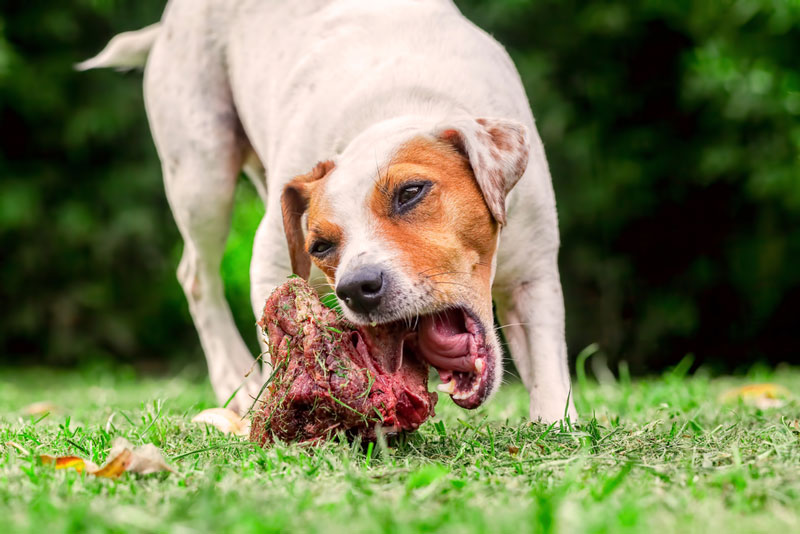
Welcome, fellow pet lovers! Today, we’re diving into a delicious topic that has many dog owners wondering. As we gather around the dinner table, we can’t help but notice those adorable puppy eyes focused on our meals. Who can resist that look? But it raises a question: can dogs eat roast beef? Let’s address this mouth-watering inquiry and find out if sharing this succulent dish with our furry friends is a good idea.
Roast beef can indeed be safe for dogs to eat. In moderation, it is a source of protein that your pup may enjoy. However, there are a few things we need to consider to ensure our furry friends stay healthy while indulging in this meaty treat. With some careful preparation and understanding of any restrictions based on your dog’s health, roast beef can be a delightful addition to their diet.
As we move forward, we’ll explore this topic in greater detail, covering how much roast beef is appropriate, its benefits, risks, potential substitutes, and answer some frequently asked questions. Stick around, and let’s dig into the juicy details!
You might also be interested in: Can Dogs Chicken Nuggets?
Can Dogs Eat Roast Beef?
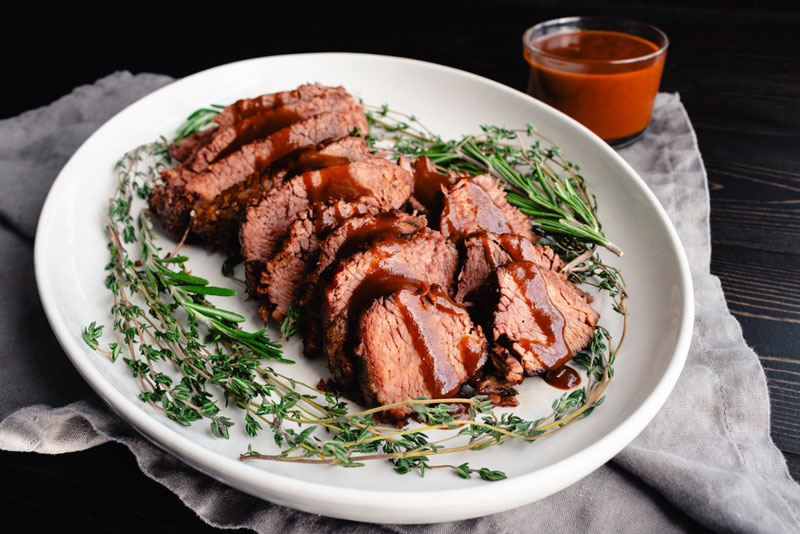
Roast beef is a popular human dish, often served during family gatherings and special occasions. But does that mean it can be shared with our beloved pups? The short answer is yes, dogs can eat roast beef, but with some guidelines we need to follow.
First, let’s talk about the nutritional aspects of roast beef. It’s packed with protein, which is essential for our pets. Dogs require protein for building muscles, repairing tissues, and maintaining energy levels throughout the day. Furthermore, roast beef offers iron, which is vital for oxygen transport in the blood, and zinc, important for a strong immune system. These nutrients contribute to overall health and can be beneficial as an occasional treat.
However, it’s important to consider the way the roast beef is prepared. We should strive to share plain roast beef with our pups without any seasoning, sauces, or added ingredients that might be harmful. Items like garlic and onions, which are commonly used in seasoning, can be toxic to dogs. Thus, always stick to unseasoned, well-cooked pieces. And remember, moderation is key. Overindulging in roast beef could lead to an upset stomach or even more severe gastrointestinal issues because of the fat content.
Before adding roast beef or any new food to our dog’s diet, it’s wise to consult with our veterinarian for personalized advice based on our dog’s unique needs and health conditions. Dogs with specific dietary restrictions or those prone to pancreatitis might not be suitable candidates for roast beef.
How Much Roast Beef Can Dogs Eat?
Now that we know dogs can enjoy roast beef, the next question is: how much should we give them? Portion control is vital when it comes to feeding our furry friends human food. Too much roast beef (or any meat) can lead to an excess of calories—and we wouldn’t want our dogs packing on the pounds!
The amount of roast beef we offer to our dogs mainly depends on their size, weight, and overall health. A general guideline is to ensure that treats should not make up more than ten percent of our dog’s daily caloric intake. If your dog is small, a couple of small bites might do the trick. For larger dogs, a bit more can be given, but still, it should be a special treat, not a regular part of their meal.
The quality of the meat also plays a role. Using lean cuts of beef, like tenderloin or sirloin, rather than fatty cuts like ribeye, is advisable. Lean meat not only has fewer calories but is also easier for our pups to digest. Remember, moderation is our best friend here, just as our dogs are to us!
We should pay attention to our pup’s reactions after introducing roast beef into their diet. Observe if there are any changes in their digestion or behavior. If we notice any vomiting, diarrhea, or signs of discomfort, it is vital to reduce or eliminate roast beef from their meals and talk to our veterinarian.
Ultimately, it’s important to ensure that the roast beef we serve is a special occasion treat rather than an everyday snack. By offering it sparingly and thoughtfully, we can build a connection with our dog through shared experiences and tasty meals while keeping their health in mind.
Benefits Of Roast Beef To Dogs
Feeding our dogs roast beef can come with various benefits, making it a special treat they will relish. Understanding these benefits allows us to make informed choices that promote our dog’s health and happiness.
One of the most significant advantages of roast beef is its rich protein content. Protein is a vital nutrient for dogs, helping them maintain strong muscles, lean body mass, and overall vitality. When we share roast beef with our pups, we are not only treating them but also providing them with something that nurtures their bodies and supports their active lifestyle.
Iron is another fantastic benefit we find in roast beef. Speak to any veterinarian, and they will tell you that iron is critical for a well-functioning hemoglobin, which transports oxygen throughout the body. A diet that includes iron-rich foods—such as roast beef—can help prevent anemia in dogs, ensuring their organs receive the oxygen they need to function properly.
Furthermore, roast beef can be a great way to encourage picky eaters to enjoy their meals. If we have a pup that decides they would rather sniff at their kibble than eat it, mixing in a little bit of shredded roast beef could reignite their appetite. The enticing aroma and flavor of the beef might make their meal irresistible!
We also delight in giving our dogs treats that bring us together. Sharing moments during mealtime can strengthen the bond we have with our pets, and the happy tail wags we see in response to a piece of roast beef are sure to brighten our days. Our pets live to be around us, share experiences, and enjoy the taste of delectable food.
However, loving our furry friends means we also need to be on guard against any adverse reactions that can occur when introducing new foods. By monitoring their intake and being cautious about how much we share, we can maximize the benefits of feeding them roast beef while minimizing any possible downsides.
Dangers Of Roast Beef To Dogs
While roast beef can be a tasty treat for our furry friends, there are always risks associated with altering our pets’ diets. It’s essential that we remain aware of these risks to keep our pups happy and healthy.
One of the primary concerns when it comes to feeding roast beef to dogs is the potential for gastrointestinal upset. For dogs that munch on a fatty cut, they might experience indigestion, gas, diarrhea, or vomiting, which no one wants for their pup! To prevent this, always choose lean cuts of beef and serve only small portions.
Another risk to be wary of is the seasoning that may accompany roast beef. Many people enjoy preparing roast beef with spices, sauces, garlic, or onions. As mentioned earlier, certain ingredients for human dishes can be toxic to dogs. Garlic and onions are two notorious culprits that can damage red blood cells and lead to anemia, while salt can lead to dehydration and other health issues. Always prepare roast beef without any added seasonings or sauces if we choose to share it with our beloved pets.
If our dogs have underlying health conditions, we need to exercise special precautions. For instance, dogs prone to pancreatitis should avoid fatty foods altogether. If our dog has a specific health issue or dietary restrictions, we should speak to our veterinarian before introducing roast beef or any new treats to their diet.
Feeding any human food should always be approached with caution. We should remember that it’s not just about whether a food is safe; it’s also about whether it is appropriate for their diet and individual needs. Keeping our dogs’ overall well-being in mind will ensure that mealtime remains a joyful and healthy experience.
Substitute Of Roast Beef For Dogs
If we’re contemplating alternatives to roast beef, there are plenty of options out there that our dogs might enjoy just as much—without the risks that come with roast beef! Exploring these substitutes allows us to keep our pups engaged and eager for mealtime.
Chicken is one of the most popular alternatives. Boiled or baked chicken (with no seasoning) can provide our dogs with the necessary protein while being lower in fat. It’s incredibly versatile and can be mixed into kibble or used as a treat. The chances are high that your pup will happily devour it!
Turkey is another excellent source of protein and is a favorite for many dogs. Just like chicken, we should opt for lean cuts and ensure no seasoning is added. Turkey can also be used creatively in recipes that we prepare at home for dogs, such as turkey meatballs or treats.
Beef liver is an incredibly nutritious option as well! It’s rich in vitamins A, C, and B, plus iron. However, since liver is extremely rich, it should only be given in small amounts as an occasional treat—too much can lead to toxicity issues. We can try slicing it thinly and dehydrating it for tasty treats.
For a plant-based option, we can look into sweet potatoes. Rich in vitamins and fiber, sweet potatoes are a fantastic choice and easy to prepare. We just need to bake or steam them and serve them plain. Many dogs adore their taste, and they can serve as a healthy side to accompany protein sources.
Lastly, commercial dog treats that are specifically designed to be low-calorie and full of nutrients can also act as viable substitutes for roast beef. They’re widely available and come in various flavors to cater to different preferences!
Can Dogs Eat Roast Beef? Frequently Asked Questions
Can All Dogs Eat Roast Beef?
Not every dog will react positively to roast beef. Dogs with specific dietary concerns, such as pancreatitis or obesity, may need to avoid high-fat foods. It’s always essential to consult a veterinarian for tailored advice.
How Should I Serve Roast Beef To My Dog?
It’s best to serve roast beef plain, with no seasoning or sauce. We can shred it into small pieces or cubes to make it easier for our dogs to chew.
Can I Give My Dog Roast Beef Every Day?
Roast beef should only be offered occasionally. Treats should not make up more than ten percent of our dog’s daily calorie intake to support a healthy diet.
What Can I Do If My Dog Doesn’t Like Roast Beef?
If our dog shows disinterest in roast beef, it’s perfectly fine! Every dog has different tastes. We can experiment with other protein sources like chicken, turkey, or fish.
Are There Any Signs I Should Watch For After Feeding My Dog Roast Beef?
Yes! After introducing any new food, we should watch out for adverse reactions. Signs of gastrointestinal distress, such as vomiting or diarrhea, should prompt us to stop giving that food.
Final Thoughts
In conclusion, sharing roast beef with our furry friends can be a delightful experience, provided we do so with care. Monitoring portion sizes, avoiding seasoning, and keeping our dogs’ individual health needs in mind are essential to ensuring their well-being. Our dogs will appreciate the meaty treat, and we can enjoy the moments of joy it brings, strengthening our bond as their loving companions.
If you’re interested in learning more about human foods that dogs and cats can safely enjoy, check out other topics we’ve explored. Some popular ones include can dogs eat macaroni and cheese. Let’s cherish every moment we have with our furry friends and keep their health a top priority!