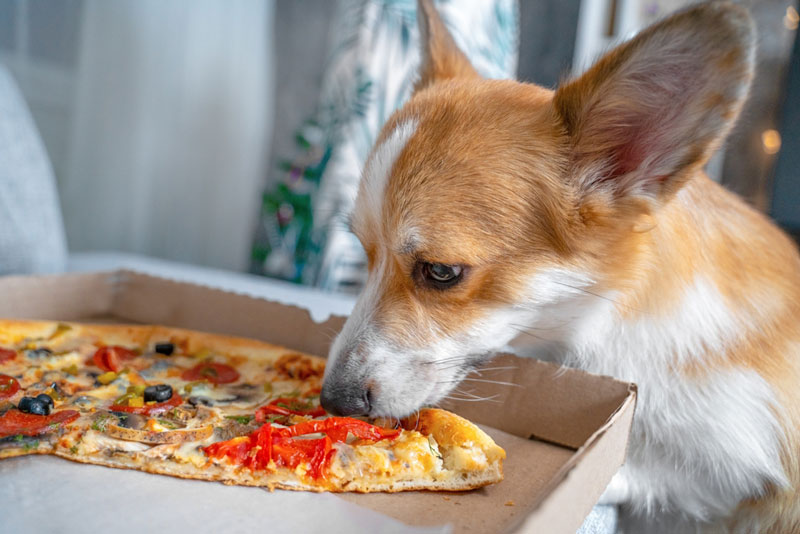
Dogs are our best friends, and we always want to make sure we are feeding them the right things. When we enjoy a delicious slice of pizza, we might wonder if we can share that crust with our furry companions. After all, sharing is caring, right? But before we toss a piece of pizza crust to our pups, we need to think about a few important things.
Now, can dogs eat pizza crust? The answer is, well, it’s a bit complicated! Pizza crust isn’t toxic to dogs, but it may not necessarily be the best treat for them either. Dogs have different dietary needs compared to humans, and while the crust may seem harmless, it’s not a nutritious option for them. Let’s dig a little deeper into what pizza crust really means for our canine friends. Grab a seat, because we have lots of information to explore together on this yummy yet tricky topic!
As we continue reading, we’ll cover the amounts of pizza crust dogs can handle, any potential benefits or risks, and some tasty alternatives to consider if you want to treat your dog without worries. Additionally, feel free to ask any questions along the way! We’ll be sure to leave you with some tips you can follow to keep your pup healthy and happy. Ready? Let’s get started!
You might also be interested in: Can Dogs Eat Cornbread?
Can Dogs Eat Pizza Crust?
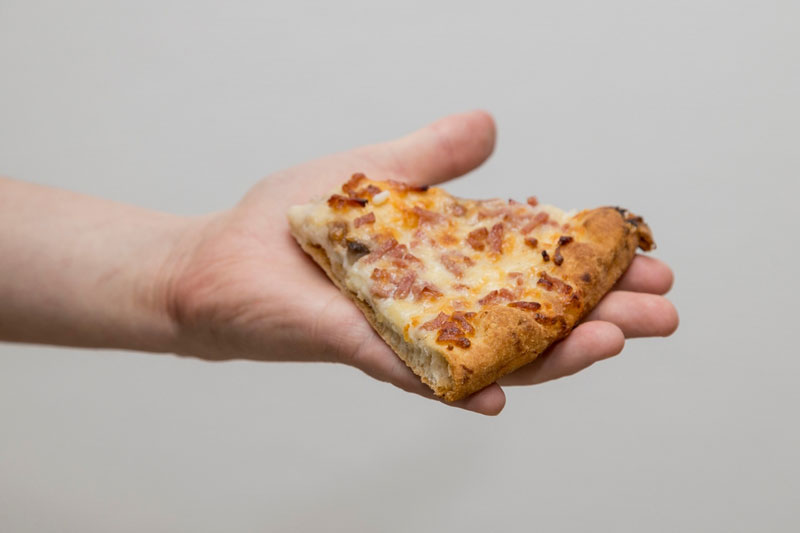
Pizza crust, that delicious outer layer that holds in all that cheesy goodness, is something many of us enjoy. We see it as a waste if we toss it away and it might be tempting to share it with our beloved dogs. The good news is that a small piece of pizza crust is not toxic to dogs. It won’t send them to the vet or cause immediate harm. However, it’s vital for us to understand that just because something isn’t toxic doesn’t make it suitable for our four-legged friends.
While dogs can handle small amounts of pizza crust, we have to think about several factors. For one, the crust is typically made from refined white flour. This type of flour isn’t very beneficial for dogs. Their digestive systems aren’t designed to process large amounts of refined grains. So, even if some dogs may enjoy the taste of pizza crust, it might not sit well in their stomachs, especially if they have food sensitivities. Our dogs rely on high-quality protein and healthy grains or veggies to thrive. Pizza crust isn’t part of that healthy diet!
Another consideration is that pizza crust can be high in carbohydrates. This means feeding too much can contribute to excessive weight gain if it becomes a regular part of your dog’s diet. Obesity in dogs can lead to several health problems, so we want to avoid anything that could make our pups chubby little couch potatoes. We have to ensure our pets maintain a healthy lifestyle, and sometimes that means saying no to certain human foods, even if they beg and give us those adorable puppy eyes!
Plus, let’s not forget about the toppings! If you do share a slice of pizza with your furry friend, be cautious about what’s on it. Toppings like onions and garlic are toxic to dogs, and oily or greasy toppings can upset their tummies. It’s safer to stick to the plain crust without any added ingredients that could harm your pup. It’s like giving them the safest version of human food! Remember, moderation is key!
How Much Pizza Crust Can Dogs Eat?
When considering how much pizza crust is okay for dogs, it’s essential to think in terms of moderation. A small piece here and there won’t likely harm your pup, but it’s important to keep portion sizes in check. A good guideline is to keep it to a rare treat, maybe once in a while when you’re having a pizza night or a fun movie marathon.
For small dogs, giving them a bite of pizza crust the size of a quarter will suffice. For medium to large dogs, a piece the size of a half dollar might be acceptable. The main takeaway is to avoid giving them a large slice or making pizza crust a regular part of their meals. After all, we wouldn’t want our pets to start requesting pizza delivery!
In practice, this means we should save pizza crust for special occasions, like a party or a family gathering. When we share our special moments with our furry friends, we create feelings of love and connection. Just be sure to follow up that pizza crust treat with healthy treats made specifically for dogs, like carrots or store-bought dog biscuits. This way, we remind them what a balanced diet is while still allowing them to join in on the fun!
If ever you notice that your dog isn’t feeling well after eating pizza crust or any new food, watch for signs like vomiting, diarrhea, or lethargy. If these symptoms persist, it’s always a good idea to check with a vet just to be safe. Remember, our dogs can’t tell us explicitly how they feel, so we need to stay mindful of what we feed them!
Lastly, it’s important to always consider your dog’s size and individual health when deciding what they can eat. Always adjust treat sizes and frequencies based on your dog’s unique needs. Consulting with your vet can also help in creating a safe and healthy diet plan for your dog!
Benefits Of Pizza Crust To Dogs
Alright, since we’ve tackled the potential risks, let’s explore if there are any benefits to letting our dogs munch on pizza crust! Since pizza crust isn’t toxic, it can serve as an occasional snack that brings a little joy into our dogs’ lives. Sharing food with our furry friends can enhance the bond we have with them. They may get excited and wag their tails, which adds to the fun of meal times for both dogs and humans!
In a small amount, pizza crust may provide a source of carbohydrates for energy. While not the best source, for puppies or active dogs who need a little boost now and then, the crust can give them that extra zing in their step. Dogs generally love variety in their diets, and a tiny bite of pizza can be a tasty change from their usual fare. Experience has shown us that sometimes dogs just want a taste of what we are having, especially when we’re enjoying it ourselves!
I guess we could say pizza crust can be a moment to include our pets in our lives, adding that feeling of togetherness. We sit around the table sharing stories, laughter, and then there is our pup eagerly waiting for a bite. This simple act of sharing can create a special moment, bringing everyone in the family closer.
Additionally, the texture of pizza crust might also provide stimulation for some dogs. Chewing on it may engage their minds for a little bit, and it could help satisfy their need to chew. However, it’s essential to balance this with the risk of introducing foods that don’t provide defined nutritional value for them. Always think about what’s in the best interest of their health and well-being!
In a nutshell, while pizza crust can be shared in small amounts without immediate danger, we should always choose dog food or healthy snacks as a primary diet. After all, we want our adorable pooches to thrive. So, if we find an opportunity to share such a treat, it should be balanced with what their overall eating routine looks like!
Dangers Of Pizza Crust To Dogs
While we love to share, we can’t ignore the potential risks of feeding pizza crust to our dogs. One of the immediate concerns with pizza crust is its high carbohydrate content. Carbs can lead to weight gain if consumed in excess, especially if it becomes a frequent treat. Obesity is definitely a growing concern for our furry pals, and we want to keep them healthy and active!
Also, let’s not forget about the potential for allergies. Dogs can have food sensitivities that we may not notice. If a dog has never eaten pizza crust before, there’s no guarantee that they won’t have a reaction. Symptoms can vary from digestive issues like vomiting or diarrhea to itchiness and skin irritations. If a dog shows any of these symptoms after trying pizza crust, it’s best to consult a vet and discontinue giving them this treat.
We should be particularly cautious about what toppings were on the pizza as well. Foods like garlic and onions, which some may not think twice about, can be harmful to dogs. Even if your dog enjoys the crust, if it has any of these toppings, it won’t be worth the risk. We should always be aware of what’s in our food and make sure we keep our furry friends safe from harmful ingredients! It can feel cumbersome, but we only do it because we love them.
High-fat content is also a concern. Many pizzas come with greasy toppings. Greasy foods can cause gastrointestinal upset in dogs, leading to stomach discomfort. If a dog eats too much fat at once, it can also lead to potentially life-threatening conditions like pancreatitis. That’s a term that can sound fancy but is really a serious issue that we want to prevent.
Lastly, feeding pizza crust as a substantial part of a diet can lead to poor nutrition. Pizza’s lack of essential nutrients like vitamins, minerals, and protein is concerning. Our dogs need a balanced diet comprised mainly of dog food and safe doggy treats that promote good health. Just a tiny bite of pizza crust can slide into the routine of overindulgence. This can steer us away from building proper eating habits for our pets!
Substitute Of Pizza Crust For Dogs
If we want to treat our dogs, there are plenty of healthy and nutritious alternatives available! Instead of pizza crust, we can opt for some delicious dog-friendly snacks that will surely get tails wagging. Fresh fruits like apples and blueberries, for example, are great options. They are packed with vitamins and low in calories, making them perfect for those treating occasions!
Vegetables can also be a great alternative. Carrots and green beans can be crunchy, fun, and satisfying for dogs to chew on. These veggies are low in calories while offering plenty of health benefits—plus they contribute to proper digestion for your furry friend!
If you want a bakery-style treat for your dog, there are plenty of dog treats available in pet stores that mimic the flavors we love without compromising health. You can even create homemade dog treats using healthy ingredients, such as peanut butter, oats, and pumpkin. Making them ourselves can also be a delightful skill to hone while bonding with our furry pals!
If we want our dogs to enjoy something bread-like, consider creating a simple dog-friendly biscuit. Mix whole wheat flour with peanut butter, eggs, and some pumpkin puree, roll out the dough, cut into fun shapes, and bake until golden brown! This way, we know exactly what’s inside and can feel good about rewarding them with a tasty treat!
Ultimately, there’s no shortage of delicious, healthier options we can share with our dogs that keep them safe and content. It’s always a joy to watch them munch happily away without having to worry about their health. So, the next time we’re having pizza night, we can find ways to treat our pups that align with their needs while bringing happiness into their day!
Can Dogs Eat Pizza Crust? Frequently Asked Questions
Is It Safe To Let My Dog Eat Pizza Crust Occasionally?
Yes, but in moderation. A small piece without harmful toppings is generally safe, but it shouldn’t be included often.
What If My Dog Ate A Whole Pizza Crust?
If your dog consumes a whole crust, closely monitor them for any signs of distress such as vomiting or diarrhea. Contact your veterinarian if symptoms arise.
Can Dogs Eat Pizza Crust With Toppings?
It’s best to avoid giving pizza crust with toppings, as many common pizza ingredients can be harmful to dogs.
What Are Some Healthy Treats For My Dog Instead Of Pizza Crust?
Fresh fruits and vegetables, like carrots and apples, or homemade dog biscuits using healthy ingredients are great alternatives!
Do All Dogs Like Pizza Crust?
Not all dogs will enjoy pizza crust. Their preferences can vary, and it’s essential to pay attention to their reactions.
Final Thoughts
Sharing food with our pets can be a delightful experience, but it’s essential to prioritize their health above all else. While pizza crust might not be harmful in small quantities, we should always ensure that our dogs are getting the best nutrition tailored to their needs.
Remember, instead of pizza crust being a frequent treat, we can explore safer and healthier alternatives that keep them happy and thriving, like carrots or homemade dog biscuits. Our furry friends trust us to make the right choices for them, and we have the ultimate responsibility to keep them healthy and happy. If you want to know more about what kinds of human foods your pets can enjoy, feel free to check out resources that offer informative guides, like foods our furry friends can eat or can cats eat pizza. Whatever you choose, let’s make sure our pets keep wagging their tails and living their best lives!