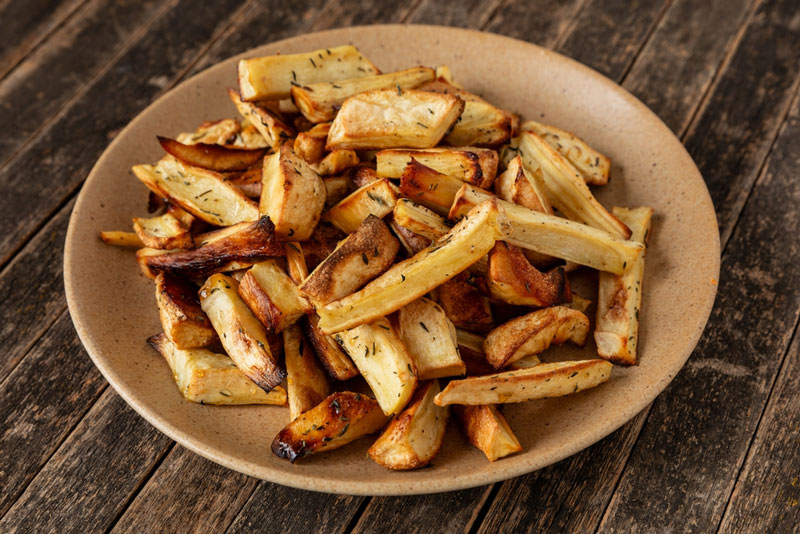
Welcome, fellow pet enthusiasts! If you’re like me, our furry companions mean the world to us. We want to spoil them with tasty treats while also keeping their health in mind. Today, we will embark on a humorous yet enlightening journey centered around a delightful root vegetable: parsnips. Now, you might be wondering, can dogs eat parsnips? Well, you’ve come to the right place to find out!
Canines and vegetables can be a tricky mixture sometimes. But fear not! Parsnips, delightful as they are, can be part of our dog’s diet, offered in moderation. So if you enjoy these sweet and earthy roots, your pup can join in the fun, too! Just make sure to prepare them safely and watch out for any reactions.
Stick with me as we explore everything you need to know about dogs and parsnips. We will cover how much your furry friend can eat, how parsnips can benefit their health, potential risks or dangers, as well as substitutes if you wish to explore other options. Let’s dig right in!
You might also be interested in: Can Dogs Eat Raw Asparagus?
Can Dogs Eat Parsnips?

Yes, dogs can eat parsnips! Best known for their distinct sweet and nutty flavor, parsnips are a root vegetable that belongs to the same family as carrots and celery. They can be a nutritious addition to your dog’s diet, providing essential vitamins and minerals that contribute to their overall health. With a high fiber content and low calories, parsnips can be considered a healthy treat, helping to maintain a healthy weight and promote good digestion.
When offering parsnips to our dogs, we should remember that preparation is key. Raw parsnips can be tough for your pup to chew, presenting a choking hazard. Therefore, it’s best to cook them before offering them to your dog. Boiling, steaming, or baking parsnips will soften them, making them safer and easier to digest for your furry friend.
To entice your dog’s palate, you might consider mashing cooked parsnips and mixing them with their regular food or pureeing them for a tasty treat! The possibilities are endless, especially for our creative dog parents. If your dog tastes parsnips for the first time, ensure you introduce them gradually and watch for any signs of an upset stomach or allergic reaction.
How Much Parsnips Can Dogs Eat?
When it comes to introducing any new food into our dog’s diet, moderation is crucial. The same goes for parsnips. While they are healthy, too much of a good thing can sometimes lead to gastrointestinal upset. Our goal is to keep our furry friends happy and healthy, and we wouldn’t want them to experience any tummy troubles!
As a general rule of thumb, start small. Consider offering your dog a small piece of cooked parsnip, roughly the size of a treat. As they get used to the new flavor and texture, you can gradually increase the amount based on their size and tolerance. For smaller breeds, one tablespoon of mashed or cooked parsnip may be enough, while larger breeds might enjoy a bit more. Always monitor your pup’s response when introducing any new food. If they exhibit signs of discomfort, you can reduce the amount or stop feeding them parsnips altogether.
Another important aspect to consider is the source of the parsnips. Always choose fresh, organic produce when possible to minimize any pesticide residues. Washed and peeled parsnips are a straightforward choice. They’ll provide maximum nutritional benefits and taste without the worry of unwanted chemicals harming our beloved pets.
In our spirited kitchen experiment, let’s not forget the special requirement: avoid seasoning the parsnips with anything unhealthy. Garlic and onion, common flavor enhancers, are toxic to dogs! Stick with plain, cooked parsnips or consider combining them with other dog-friendly ingredients like sweet potatoes or carrots for vibrancy and nutrition. Our pets will surely thank us with each tasty bite!
Benefits Of Parsnips To Dogs
The benefits of including parsnips in our dogs’ diets are worthy of a cheer! Parsnips offer several advantages that can help keep our furry friends fit and healthy. As they march into the kitchen, wagging their tails, let’s dig into the benefits!
Firstly, parsnips are loaded with vitamins! They are an excellent source of Vitamin C, which supports the immune system, promoting overall wellness for our dogs. Vitamin K helps with blood clotting and bone health, while the presence of B vitamins can boost energy and metabolic function. Our pups can enjoy their newfound energy as they play games of fetch, bark at their shadows, or seek out their favorite hidden toys!
Secondly, parsnips are high in dietary fiber. Fiber plays an essential role in maintaining a healthy digestive system. It helps regulate bowel movements and can even assist with preventing constipation. Providing fiber-rich foods like parsnips can lead to a happy gut for our pups, which is something we all want to encourage!
We must not overlook the antioxidant properties of parsnips either! Antioxidants work to protect cells in our dogs’ bodies from damage caused by harmful free radicals. They can contribute to improved heart health and a robust immune system, leading to a more vibrant life for our furry friends. Giving them a selection of colorful vegetables can even add a nuance of joy to our dogs’ palates, not to mention a medley of nutrients!
Furthermore, parsnips have a low-calorie count, which makes them an ace choice for pups trying to maintain or lose weight. Offering them as a treat or mixer with meals means our furry companions can indulge without feeling weighed down or bloated. Let’s pamper our pups without any guilty feelings!
Dangers Of Parsnips To Dogs
While parsnips can bring joy and health benefits to our four-legged companions, we should also be mindful of certain risks and dangers. Like any new addition to our pets’ diets, a few precautions are necessary to guarantee their safety.
Firstly, the introduction of parsnips or any new food can lead to gastrointestinal issues. Every dog’s digestive system is unique, and some might be more sensitive than others. Watch for any signs of bloating, diarrhea, or unusual gas. If your dog displays any distress, it might be time to take a step back and eliminate the parsnips from their diet for the time being.
Another potential concern is the rough texture of raw parsnips. Raw parsnips can be challenging to chew and pose a choking hazard for dogs, especially small breeds. Offering them in a cooked, softer form is essential to avoid any accidents during treat time!
Additionally, dogs that suffer from specific medical conditions might have reactions to new foods like parsnips. For example, if your furry friend has kidney issues, a diet low in potassium may be recommended—mainly because parsnips contain a moderate amount of potassium. In such cases, it’s always wise to consult your veterinarian before introducing new foods.
We should also be cautious about overindulging our furry friends with parsnips. The high fiber content, while beneficial, could lead to loose stools or upset stomachs when consumed in large quantities. Moderation is vital to avoid any potential digestive mishaps that could arise.
Substitute Of Parsnips For Dogs
If you’re looking for alternatives to parsnips or want to add variety to your dog’s diet, plenty of options suit our furry friends. Mixing up their meals and treats keeps our dogs engaged and excited about their food!
Carrots are an excellent substitute. They are crunchy, sweet, and packed with nutrients, and it’s no wonder our furry pals often enjoy them. Carrots can be served raw, cooked, or even blended into a tasty puree. They are also high in fiber and come with a wealth of benefits similar to parsnips!
Sweet potatoes are another great substitute. This orange delight is rich in vitamins A, C, and B6. Just like parsnips, they should be cooked to soften them before serving. Our pups will be wagging their tails at the thought of sweet potato mash alongside their regular food!
Green beans come fresh or cooked and can provide a satisfying crunch for your pet. With low calories and high fiber, they make an engaging snack that we can feel good about feeding. Not to mention, many dogs enjoy the taste as they munch happily!
Another option could be pumpkin, known for its digestive benefits. Just like parsnips, cooked pumpkin can be added to food or offered as a treat. It’s high in fiber and packed with nutrients, making it a top contender on the list of healthy foods for our pups!
Can Dogs Eat Parsnips? Frequently Asked Questions
Are Cooked Or Raw Parsnips Better For My Dog?
Cooked parsnips are always the safer choice as they are softer and easier to digest. Raw can be a choking hazard.
How Can I Prepare Parsnips For My Dog?
Peel and chop the parsnips, then steam, boil, or bake them until soft for a tasty treat!
What If My Dog Doesn’t Like Parsnips?
Not all dogs will be fond of parsnips. If they are not interested, stick to other treat options like carrots or sweet potatoes!
Can Parsnips Cause Allergies In Dogs?
While rare, some dogs may have allergies to parsnips. Introduce new foods slowly and monitor for any reactions.
Can I Feed My Dog Parsnips Leaves?
Parsnip leaves are not safe for dogs. It’s always best to feed only the root part of the vegetable.
Final Thoughts
As we wrap up our exploration of parsnips and their place in our dogs’ diets, let’s celebrate the joys of sharing healthy foods with our furry companions! Parsnips, when offered in moderation and prepared safely, can bring a delightful crunch and nutrition to our dogs’ meals.
So let’s keep experimenting in the kitchen! Each positive experience we provide for our pups, from new flavors to healthy options, is a step toward building happier, healthier lives. If you’re curious about other foods besides parsnips that our pets can enjoy, take a stroll through our other articles for inspiration. Check out human foods for cats, or learn if dogs can eat shrimp! Happy cooking and snacking, and here’s to wagging tails!