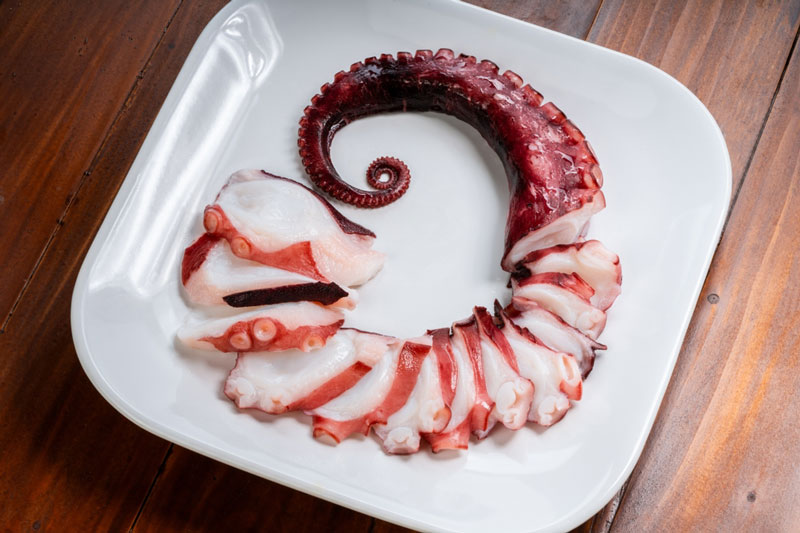
Have you ever wondered if our furry friends can enjoy some delicious seafood? It’s a good question! Dogs are known for their love of food, and sometimes their curiosity leads them to taste things that we would not typically consider for them. Now, seafood can be a bit tricky, and one of the more intriguing options out there is octopus. So, can dogs eat octopus? Well, yes but with some important considerations!
Octopus is an interesting protein source that provides a variety of nutrients. However, we have to think about a dog’s digestion, their dietary needs, and some possible risks. Not every food that’s safe for us is necessarily safe for our four-legged pals. As responsible pet owners, we need to explore what makes octopus suitable for dogs and whether it’s something they should include in their meals.
So, grab a comfy seat and a few treats for your pup because we’re going to explore the inside scoop on octopus for dogs. We’ll look into the benefits, risks, and how to serve it right before throwing it onto your dog’s dining menu. Let’s get to it!
You might also be interested in: Can Dogs Eat Sushi?
Can Dogs Eat Octopus?

Let’s start by addressing the main question: can dogs eat octopus? Yes, dogs can eat octopus, but there are some rules we must follow. First off, octopus is a lean protein that could potentially be good for dogs, filled with vitamins and minerals such as vitamin B12, iron, and zinc. These nutrients can be beneficial, but just like a fancy dinner at a restaurant, there are specific ways to serve it right!
When we prepare octopus for our dogs, there are several considerations. We must be sure to remove any skin or tough parts, cooking it thoroughly to make it digestible and safe. Like anything else, prepare it in small amounts, and observe how your dog reacts! Their reaction might surprise you; some pups might love it while others might be confused by the new texture and flavor.
It’s also important to note that some dogs could have allergies or sensitivities to certain kinds of seafood, so a cautious approach is always a good idea. Introducing octopus into their diet should be done slowly, keeping a close eye out for any signs of digestive upset, like vomiting or diarrhea.
How Much Octopus Can Dogs Eat?
Alright, folks, let’s talk about portion size! Now that we know dogs can eat octopus, the next big question is how much they can safely chow down on. The golden rule here is moderation! We wouldn’t want to spoil our pup’s dinner plans with a seafood buffet gone wrong.
When feeding octopus, it’s essential to remember that it’s not a substitute for their regular dog food. Instead, consider it a delightful treat! As a general guideline, small to medium dogs can have about a tablespoon or two of fully cooked, finely chopped octopus. Larger dogs can enjoy a bit more, but keeping the portions reasonable is vital. Too much seafood, or hunting for octopi in the backyard won’t do any good!
It’s also prudent to keep in mind frequency. Treats should make up only around 10% of your dog’s daily food intake. Offering octopus occasionally, perhaps as a fun surprise on a special day, can keep things interesting without overdoing it. Also, serving it as part of a balanced diet is key! Just think of it as one ingredient in a colorful, nutrient-rich meal plan!
Another thing to remember: If it’s your dog’s very first taste of octopus, start even smaller than the usual servings. It’s like hosting a mini seafood party in their belly – we want to make sure that everyone plays nice and that there are no unexpected party crashers!
We want our dogs to enjoy new flavors and textures, but their health and happiness should always come first. Routine or unusual treats are always best when monitored. If you see any unusual reactions, it’s advisable to consult with your veterinarian for personalized guidance.
Benefits Of Octopus To Dogs
So what makes octopus a potential treat for our dogs? Let’s dive into the many benefits of this intriguing seafood option. First and foremost, octopus is an excellent source of lean protein. Protein is crucial for dogs as it helps them build and maintain strong muscles, supports a healthy immune system, and provides abundant energy for all those playful zoomies around the house.
Another significant benefit is the various vitamins and minerals that octopus contains. For instance, it’s packed with vitamin B12, which is essential for various bodily functions, including nerve health and brain function. Iron and zinc are two other nutritional powerhouses in octopus that aid in keeping your dog’s immune system healthy and their skin vibrant!
You might be surprised to learn that octopus is low in calories, which can be beneficial for those dogs watching their weight. Low-calorie treats can help maintain a healthy weight while still giving your pup something special to enjoy. It’s like a low-calorie dessert at the end of a lovely dinner – everyone has a sweet tooth now and then, right?
Additionally, the omega-3 fatty acids found in octopus can promote healthy skin and coat, reduce inflammation, and even support heart health. Who wouldn’t want to help their furry friend sport a shiny coat? Regular bites of this delectable seafood can contribute to their overall well-being!
When we think about varying our dogs’ diets, it’s easy to lean solely on dog food because it’s well balanced. However, a little variety from time to time helps keep our pups engaged and excited about meal times. Infusing new flavors, especially with something nutritious like octopus, can keep our dogs refreshed and happy! It’s like letting them taste adventure, one paw print at a time.
Dangers Of Octopus To Dogs
Now, with any food we consider sharing with our furry pals, we must address the potential risks. While octopus can be a delightful treat, there are a few dangers we need to watch out for.
One main concern is the texture of octopus. If not cooked properly or if it’s served with too much seasoning, it may be tough for our dogs to chew and digest. Tough seafood can lead to gastrointestinal upset or obstruction if chunks are too large. Our dogs can’t snack carefully; they have a natural instinct to gulp things down as fast as possible, which makes it even more critical to serve it correctly.
Another aspect to consider is allergies. While not common, some dogs can be allergic to seafood, including octopus. Signs of allergies can include itching, swelling, and digestive issues. If you notice any of these symptoms after introducing octopus to your pooch, it might be time to consult a veterinarian. They can provide valuable insights specific to your dog’s needs.
Aside from allergies and digestion issues, we must also think about sourcing. If you have any doubts about the quality or freshness of the octopus, it is better not to take any risks. Our furry companions deserve the best, and we should always source their food from trusted sources. If you’re unsure, just think of it as the golden rule: if it’s good enough for humans, it may be okay for dogs.
In summary, while octopus can offer several benefits, we have to be mindful and cautious when introducing it to our dogs’ diets. Remember that moderation is vital. A few bites of this flavor explosion can be a kick of fun and nutrition, but we wouldn’t want any nasty surprises ruining gourmet night, would we?
Substitute Of Octopus For Dogs
As we navigate our way through octopus as a treat for our pups, it’s good to know that we have other options if octopus doesn’t fit our plans. A variety of seafoods and meats can be just as exciting for our pets! If we want to change things up, consider alternatives like shrimp, fish, or even chicken. They come with their own set of benefits and flavors!
For instance, shrimp is a common choice many dog owners explore. Just like octopus, shrimp is also low in calories and filled with nutrients. Just be sure to cook it thoroughly and clean off the shell, as canines can’t handle those crunchy bits like we do!
Fish, particularly salmon or sardines, can be packed with omega-3 fatty acids that support a shiny coat and skin. These types of fish can be great as long as they are boneless, cooked and served without excessive seasoning. Think of it as a fancy Seafood Fiesta on a dog’s menu!
If we want to stay on the “not-so-fishy” side, lean meats like chicken or turkey can round out a balanced meal as well. It’s not about serving the exotic anymore but ensuring our pups enjoy wholesome flavors. Mixing proteins can keep meals exciting while maximizing their nutrient intake.
Ultimately, the key is to keep variety in mind while ensuring that every food we offer aligns with our dogs’ dietary needs. Every new taste experience can be delightful, but knowing which foods are right for our dogs is the main ingredient for their happiness!
Can Dogs Eat Octopus? Frequently Asked Questions
Is Octopus Safe For Puppies?
Generally, it’s best to avoid feeding octopus to puppies. Their digestive systems are still developing, and introducing richer seafood can lead to digestive disturbances. Always prioritize their health as they grow!
Can Dogs Eat Octopus In Any Form?
Dogs should only eat cooked octopus, not raw. Cooking helps eliminate potential parasites and bacteria, making it safer.
Can My Dog Eat Octopus If They Have Allergies?
If your dog has a known seafood allergy, it’s best to keep octopus off the menu. Allergies can vary broadly, and avoiding known triggers is safest.
How Should I Prepare Octopus For My Dog?
For our beloved pups, octopus should be steamed or boiled without any added spices or condiments. Cut it into small pieces for easy chewing, and always remove the tough skin and tentacles!
What Other Seafood Can Dogs Enjoy?
Aside from octopus, some other seafood options include shrimp, salmon, and whitefish. Always prepare them without seasoning or sauces, and cut into appropriate sizes!
Final Thoughts
In conclusion, octopus can make a delightful treat for our dogs if prepared appropriately and enjoyed in moderation. It’s about keeping it safe as well as nutritious for our lovely companions. Like the adventurous eaters they are, dogs can benefit from trying new flavors, including the unique taste of seafood!
As we navigate the sea of food options, let’s make sure our furry friends find joy in every bite while keeping their well-being as our top priority. Whether we introduce octopus or explore alternative proteins, our dogs deserve love, care, and tasty treats along the way! If you’re eager to learn more about what your dog can safely munch on next, feel free to check out our other topics such as human foods for dogs and seafood options for pups. Our furry friends deserve only the best!