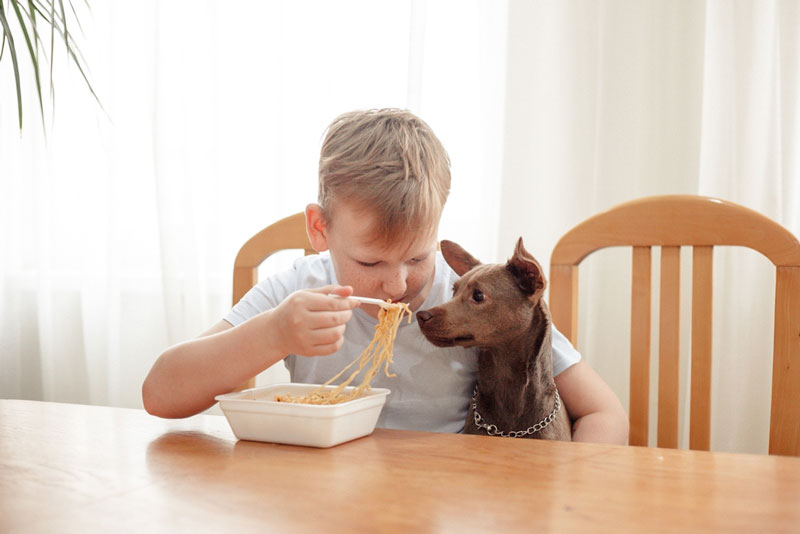
Ah, the age-old question: Can our four-legged buddies partake in our human food, particularly noodles? As pet lovers and vets, we often find ourselves in the delightful position of exploring the culinary world that overlaps between humans and our furry friends. Most of us have been tempted to share our favorite snacks with our dogs, and noodles often come to mind!
So, can dogs eat noodles? The short answer is yes, dogs can definitely eat noodles! However, it is essential to consider a few factors before tossing them a plateful of spaghetti. Noodles aren’t toxic, but moderation is key, and it’s good to keep in mind what kind of noodles we’re talking about! Some noodles can be healthier than others, and some might upset your dog’s stomach.
In this article, we’ll dive into the world of noodles and our canine companions. We’ll explore how much they should eat, the benefits of adding some noodles to their meals, the risks and dangers to keep in mind, and even some exciting substitutes that can make their meal times more interesting. So, grab a comfy seat, and let’s noodle on!
You might also be interested in: Can Dogs Eat Spaghetti?
Can Dogs Eat Noodles?
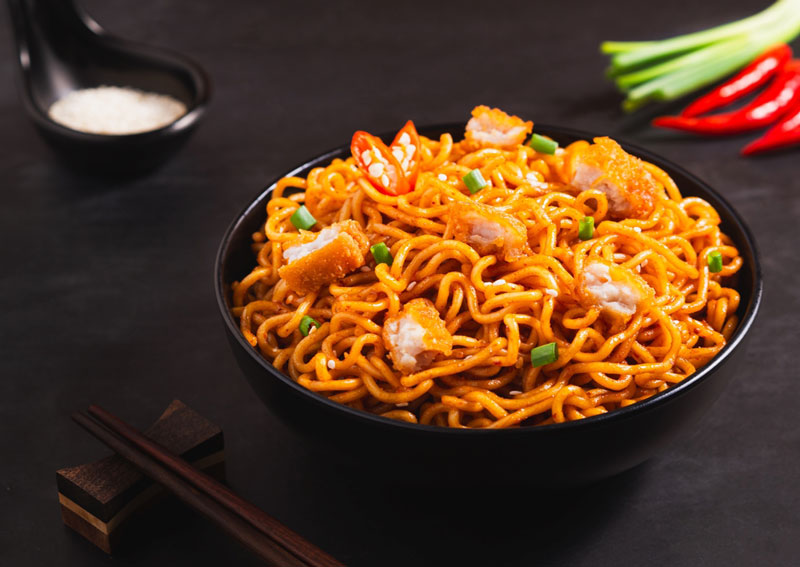
Let’s get into the details about whether or not our dogs can enjoy noodles as part of their diet! Basically, noodles are made from flour and water, and sometimes eggs, depending on the type of noodle. The good news is that most noodles are safe for dogs to eat in moderation. Just think about your typical macaroni or spaghetti—your dog likely won’t have any bad reactions if they sneak a few bites here and there.
However, just because they can eat noodles does not mean they should eat them regularly. Dogs are primarily carnivorous and require a protein-rich diet, so noodles should not replace their main meals. Instead, they can be a fun occasional treat. It’s also wise to choose plain, unseasoned noodles. Sauces, spices, and herbs that we love could upset a dog’s stomach.
Can dogs eat noodles like ramen or instant noodles? The answer is no! Instant noodles usually contain various additives and preservatives, which are not suitable for our furry friends. Stick to plain, whole-grain, or vegetable-based noodles instead, as these will be healthier for our pups.
How Much Noodles Can Dogs Eat?
Now that we know it’s safe for dogs to eat noodles, how much should we actually give them? Again, moderation is key! A general guideline is to keep noodle portions small—larger breeds may tolerate a little more, while smaller breeds should have even less. Think of noodles as a fun treat or a side to their usual meal. Not a complete replacement!
A good rule of thumb is to limit noodles to about 10% of your dog’s total daily calorie intake. For example, if you have a small dog who eats around 400 calories a day, you might give them around 40 calories’ worth of noodles. Always observe how your dog reacts after eating noodles, especially if it’s their first time!
If you’re unsure how your pup will respond, it’s best to start with just a few pieces to see if they can handle it without any issues. Monitor for any signs of discomfort, like bloating or changes in their stool. If you’re ever in doubt, it’s never a bad idea to consult your vet!
When serving noodles, it can also be helpful to cut them into smaller pieces. Some dogs might have difficulty chewing long strands, and we don’t want them to choke on their food! You can mix it into their regular kibble or top their wet food with a few small noodle pieces as a fun surprise.
In this way, we can make mealtime more interactive and exciting for our dogs! Their tails will wag in delight as they enjoy their noodle treats. Remember that every dog is different, so it’s essential to tailor portion sizes based on their individual needs. And if they ever act like they’re auditioning for a pasta commercial, don’t worry! They just love sharing their kitchen adventures with us.
Benefits Of Noodles To Dogs
So, what are the benefits of letting our dogs enjoy a little noodle goodness? Well, first off, noodles can be a source of carbohydrates, which provide energy for our busy canines. For dogs that might not be enthusiastic about their regular food, adding a few pieces of noodle can entice them to chow down and enjoy meal time more.
Moreover, whole grain noodles have added benefits! They contain some fiber, which can improve digestion and keep a dog’s gut healthy. Such fiber helps in keeping their digestive system functioning smoothly, which is essential for overall health. If your dog is feeling a bit under the weather or needs some encouragement to eat, introducing some plain noodles can help! It can be like comfort food for our furry companions, much like chicken soup for us.
When we mix noodles with other safe ingredients, like lean meat or veggies, we can create a balanced meal that offers variety and nutrition. Just be cautious with additional ingredients, ensuring that they are dog-friendly! We can experiment with various meal combinations—how fun it is to whip out our inner master chefs while cooking for our pets?
Also, let’s be honest: sharing food can create bonding moments between our dogs and us. Those shared experiences at meal time are amusing and build a deeper connection. Watching our dogs enjoy new flavors can be entertaining and delightful. Those moments when they look up at us with their big, loving eyes while wagging their tails, waiting for us to share our food, are simply priceless!
In conclusion, while we don’t want noodles to form the bulk of our dog’s diet, their occasional inclusion can stimulate dogs and give them a taste of something special. They strengthen the bond between us and bring joy every time we serve them a new dish. Let’s keep these noodle moments as special treats!
Dangers Of Noodles To Dogs
While noodles can be a fun addition to a dog’s diet, it’s essential to consider the risks and potential dangers associated with them. Though noodles themselves aren’t toxic, they can lead to various issues if not fed appropriately. One major concern is the carbohydrate content in noodles. Dogs require balanced meals, and too many carbs can contribute to weight gain, which leads to serious health conditions like obesity or diabetes. Overindulgence can cause their tummies to feel uncomfortable, which no one likes!
Another factor is that while some noodles are safe, others might contain ingredients that are harmful to dogs. For instance, any noodles made with garlic, onions, or spices are toxic. It’s always essential to read labels before serving anything new. If we aren’t making noodles from scratch, we need to be cautious and aware of what’s in store-bought varieties.
A dog’s diet should be primarily protein-based. Although we might give them noodles as a treat, they should not replace their meat-based meals. To ensure our furry companions get enough protein, we should monitor the proportions. Giving them too many of these tasty carbs might excite them, but it could also ruin their regular meal balance.
Signs of stomach upset due to noodle overeating include vomiting, diarrhea, or excessive gas. If your dog shows any of these symptoms after enjoying their noodle treat, it’s best to avoid them in the future or limit the portion size significantly.
It’s also essential to consider possible allergies. Though it is relatively uncommon, some dogs can be allergic to wheat-based products. If a dog starts showing symptoms like itching, redness, or gastrointestinal distress after eating noodles, we should consult a vet for guidance.
In summary, while we can share a little noodle joy with our dogs, we ought to be mindful of the portions and ingredients! The goal is to keep mealtime enjoyable without causing harm. Always prioritize our dog’s health and happiness.
Substitute Of Noodles For Dogs
If we’re cautious about feeding our dogs noodles but still want to provide them with variety and flavor, we can explore some substitutes! There are several dog-friendly alternatives that can be just as exciting and nutritious for our furry pals.
For instance, why not try whole grains like brown rice or quinoa? Both are excellent sources of carbohydrates and fill their bellies with healthy nutrients. Rice is gentle on a dog’s stomach and often prescribed when they face digestive issues. It’s comforting, tasty, and can be mixed with their regular food for a balanced meal.
Vegetable-based options are also wonderful. Squash or sweet potatoes can be mashed and served with their kibble. These veggies are rich in vitamins and minerals while still being delicious! They can help make our dog’s food a little more engaging, plus they tend to love the change!
Another fun idea would be using shredded zucchini or carrot ribbons instead of noodles. These veggie substitutes can be lightly steamed or sautéed before adding them to our dog’s dinner. They provide texture, flavor, and a healthy crunch that most dogs adore!
Let’s not forget the joys of looking into creating suitable homemade dog treats. With some flour made from oats or sweet potato, we can bake exceptionally healthy morsels for our furry pals. These treats can mimic the companionable feel of sharing noodles while being specially made for their nutritional needs, guaranteeing ingredients that are safe for puppies!
Thinking creatively allows us to provide variety, ensuring that our dogs feel special and loved. After all, what’s life without a little culinary adventure? So next time you’re cooking, consider these fantastic options; your dog will surely thank you with their wagging tails!
Can Dogs Eat Noodles? Frequently Asked Questions
What Type Of Noodles Are Safe For Dogs?
Plain, cooked white or whole-wheat noodles are typically safe for dogs. Just avoid any flavored or seasoned noodles!
Can Dogs Eat Ramen Noodles?
Ramen noodles are not safe for dogs, as they usually contain additives or spices that can upset your furry friend’s tummy.
Is It Okay For Dogs To Eat Noodles Every Day?
It’s best to limit noodles to an occasional treat rather than a daily meal component.
What Happens If My Dog Eats Too Many Noodles?
If a dog eats too many noodles, they may experience gastrointestinal issues such as bloating, diarrhea, or vomiting.
Can Dogs Eat Gluten-Free Noodles?
Yes, but ensure that the gluten-free noodles don’t contain harmful ingredients, like garlic or onion.
Final Thoughts
As responsible dog owners, we always want the best for our furry friends, and adding a little variety to their diet is a fantastic way to show love. Noodles can be an excellent side treat in moderation, as long as we choose wisely and keep portions manageable. It’s all about making mealtime enjoyable and special for our beloved companions without compromising their health!
If you ever feel concerned about your dog’s diet, don’t hesitate to reach out to your vet for personalized advice. And while you’re at it, if you’re curious about other human foods that our feline friends can eat, take a look at our recent posts like what foods our furry friends can eat or whether they like liver! There’s a treasure trove of knowledge about pet nutrition waiting for you!