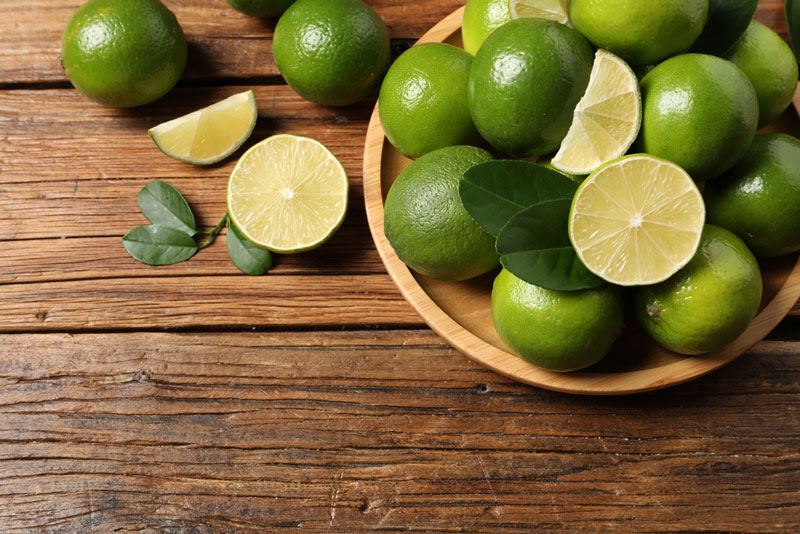
As a funny pet lover and vet, we get many curious questions about what our furry friends can eat. Among these questions is the intriguing and zesty inquiry: “Can dogs eat lime?” It’s essential for all pet owners to know what foods are safe and healthy for their beloved companions. After all, no one wants their dog to munch on something that could send them running for a vet visit!
Limes, those tiny, sour green fruits, come with their unique tangy flavor, often used to add zest to our favorite dishes and drinks. But when it comes to our canine companions, it’s worth investigating whether this fruit is a hit or a big miss. The answer to the captivating question – can dogs eat lime – is that while small amounts won’t necessarily harm your pup, it’s important to be cautious. In some cases, limes and their flavors may not sit well with our doggy friends.
Excited to learn more? Keep reading, and let’s explore the world of limes and how they affect our furry friends! From understanding the benefits and risks associated with limes to exploring some tasty alternatives, we’ll cover all of this and more in the fun and engaging way you expect!
You might also be interested in: Can Dogs Eat Green Onions?
Can Dogs Eat Lime?

When we’re talking about whether dogs can eat lime, we’re really digging into the line between a harmless snack and a questionable one. First and foremost, it’s important to clarify what we mean by lime. The lime fruit can refer to several types, including Persian limes (the most common), Key limes, and finger limes. Each type has its own flavor profile and potential effects on dogs.
So, can dogs nibble on a slice of lime? In small quantities, yes, dogs can eat lime without immediate adverse effects. However, there are various factors to consider before offering this fruit as an everyday treat. One must remember that dogs’ taste buds are quite different from ours. While we may enjoy the zesty flavor of lime, many dogs find the taste to be quite overpowering and may not even like it in the first place!
It’s crucial to recognize that limes contain citric acid, which can be very sour and sometimes irritating to a dog’s mouth and stomach. Additionally, citrus fruits can lead to gastrointestinal upset in dogs if consumed in larger quantities. Common signs of an upset stomach include vomiting, diarrhea, or even excessive drooling. If you’d like to see if your dog has a taste for lime, it’s best to start with just a tiny piece and observe how they react. If they gobble it up, we can move on to the next step of moderation!
Yet, moderation is key here! Feeding your dog small amounts of lime as an occasional treat won’t necessarily harm them, but regularly offering lime or any citrus fruit can lead to potential health issues. It’s best to save those tangy treats for human consumption and keep your loyal companion’s diet focused on dog-friendly foods. Always keep in mind that there are plenty of fruits that dogs can enjoy, such as apples (minus the seeds, of course), blueberries, and bananas, which can provide the health benefits without the risk associated with limes.
How Much Lime Can Dogs Eat?
Understanding how much lime is safe for our dogs is an important part of this conversation. After all, when we want to share a fruity treat, we certainly want to do it in a way that won’t lead to any health issues. The golden rule with lime, and any citrus for that matter, is that less is always more.
Generally, when it comes to limes, moderation is crucial. A small slice of lime now and then is unlikely to cause harm to a healthy dog. We recommend that the quantity of lime a dog gets should be roughly one-quarter of a piece – or even just a small wedge. Of course, this depends on the size of the dog as well; larger dogs may handle slightly more than their smaller counterparts. However, just because it might be safe doesn’t mean it’s the best choice for our canine pals.
In considering how much lime to offer, it’s essential that we take into account not just potential physical reactions but also the overall experience for our dogs. Imagine handing your pooch a slice of lime. They might react initially with confusion or even disgust as they sense that sourness hitting their taste buds! If your dog seems to enjoy a little zest, that’s great! If they turn their nose up, be assured it’s all normal!
This sour taste that we humans sometimes enjoy could be quite off-putting for our furry friends. What’s more, while some dogs may tolerate a small amount of lime juice or a little piece of the fruit, we should be vigilant about any reactions that occur afterward. Keep an eye on your dog’s behavior and digestion.
If they exhibit any signs of discomfort or unease after tasting lime, then it’s best to cut it from their menu! As a responsible dog owner, it’s imperative to remember that there are many other safe fruits and snacks out there. We can lean into enticing our canine companions with options like sweet potato treats or even checking out other fruits! You’ll find lots of safe options to treat your dog to delicious and healthy bites while keeping your peace of mind. If you’re ever unsure, reach out to your vet, who can offer tailored advice on your pup’s dietary needs!
Benefits Of Lime To Dogs
So what about the potential benefits of limes for dogs? While it’s important to be cautious, limes do have some nutritional offerings that might be intriguing. For one, limes are packed with Vitamin C, which is vital for immune health in both humans and dogs. In fact, Vitamin C is a powerful antioxidant, helping to combat those pesky free radicals that can damage cells and contribute to various health issues. A boost in the immune system is always a welcome perk!
Another advantage of limes is their hydrating nature. Limes have a high water content, which can be beneficial when added to food in moderation. Just remember that dogs get most of their hydration from water, so don’t count on limes to keep your dog hydrated!
Limes also contain fiber. While dogs primarily need protein, fiber is great for digestion. A well-functioning digestive system leads to overall health in our furry companions. The fiber present in limes helps support proper digestion, so there’s potential value in that little green fruit!
That being said, limes are not a primary source of these nutrients for our pets. Fresh veggies like carrots and green beans, or other fruits like apples or blueberries, offer better nutritional profiles without posing the same level of risk as citrus fruits. Eating nutritious whole foods can help us keep our dogs healthy while giving them the variety they crave in treats!
If you’re looking for a way to mix things up for your dog during snack time, consider exploring an array of pet-safe fruits and vegetables. It’s well worth incorporating various options to maintain a balanced diet and keep snack time interesting! Remember that a healthy, happy dog is the result of a balanced diet, so let us celebrate all the tasty goodies we can share with our furry friends, without compromising their health!
Dangers Of Lime To Dogs
While we mentioned earlier that small amounts of lime can be consumed by dogs, it’s crucial to understand the potential risks and dangers associated with this citrus fruit. First on the list is the citric acid found in limes, which can cause gastrointestinal upset in our canine companions. This sour acid is notorious for causing vomiting and diarrhea in pets. If consumed in larger quantities, this may escalate the risks!
For some dogs, especially smaller breeds or those with pre-existing health conditions, even a tiny amount of lime can lead to discomfort after exposure. Many large dogs might tolerate the sour piece better, but be cautious nonetheless! Each dog reacts differently, so it’s essential to know your pup’s history and health challenges before introducing any new food.
Another factor to consider is the potential for allergic reactions. Dogs can be sensitive to certain foods, and citrus fruits are no exception. If your dog has never had lime before, it might be wise to start with just a small taste and monitor their response afterward. Any signs of allergies, such as itching, swelling, or even respiratory problems, should prompt an immediate call to the vet!
Coming back to the sour and bitter taste, some dogs might become disinterested or refuse to eat it altogether. Remember, our dogs don’t need to push their taste buds to the limit! They rely on us to provide nutritious and enjoyable food, so it’s always best to know what works for them.
Ultimately, while limes contain some benefits, the risks and potential harms often outweigh any possible advantages for our fluffy pals. Keep limes away from your furry friends and explore other safe fruit options that won’t cause any stomach disturbances or allergic reactions. And if you’re ever in doubt, never hesitate to consult your friendly vet – they’ll ensure we’re providing the best for our pets!
Substitute Of Lime For Dogs
If limes are off the table for our furry companions, what alternatives can we explore? Thankfully, there’s a vast array of dog-friendly fruits and vegetables that can brighten your dog’s day! One of the most popular options is watermelon. This juicy summer fruit is hydrating, delicious, and nutrient-packed! Just be sure to remove the seeds and rind before letting your pup indulge in this sweet treat.
Blueberries are another great alternative! These tiny antioxidant powerhouses are low in calories and high in fiber, making them a preferred treat for many canine companions. Not only are they safe for dogs, but they also pack a hefty punch of vitamins and minerals! Dogs often love popping these little bites as a fun snack.
Of course, we can’t forget about apples! Sliced apples (without seeds and the core) are crunchy and full of vitamins A and C. These tasty treats can add flavor to your dog’s diet while keeping them healthy! Simply slice up an apple and watch as your pup happily gets to work on their snack.
If you’re looking into options for veggies, consider crunchy carrots! They are great for their dental health and provide a nice crunch that many dogs love. Carrots can help keep your dog’s teeth clean while also offering a satisfying chew!
We’ve got tons of options to explore without straying into citrus territory. The important part is to keep experimenting and find out what works best for your dog. Our furry family members deserve some tasty treats that are also safe and healthy. By choosing fruits and veggies that cater to their taste buds while providing essential nutrients, we are ensuring our dogs remain happy and healthy!
Can Dogs Eat Lime? Frequently Asked Questions
Can My Dog Have Lime Juice?
While lime juice in tiny amounts is considered technically safe for dogs, the sour nature may not be well-received by them. Plus, the risks of gastrointestinal upset remain. Consider sticking to more dog-friendly beverages to keep your pup happy and healthy.
How Can I Tell If My Dog Has Eaten Too Much Lime?
Signs of overeating lime can include vomiting, diarrhea, excessive drooling, and general lethargy. If you notice any of these symptoms, consult your vet for guidance and to ensure your dog remains in tip-top shape.
What Are Some Dog-Safe Fruits?
Some delicious and healthy dog-safe fruits include apples (without seeds), blueberries, bananas, watermelon, and strawberries. These tasty treats can provide essential vitamins and minerals while ensuring your pup gets a tasty snack!
Are Citrus Fruits Bad For All Dogs?
Not all dogs will have a negative reaction to citrus fruits, but they can affect some dogs more than others. Larger breeds generally handle small quantities better than smaller breeds. However, it’s always best to monitor how your dog responds to new foods and consult your vet with concerns!
Should I Ever Give My Dog A Lime Slice?
Offering a small slice shouldn’t lead to immediate harm, but why risk it? It’s more likely that your pup would prefer tastier fruit options that are both healthy and enjoyable for them. Stick to dog-compatible alternatives for a worry-free snack time!
Final Thoughts
In conclusion, while the idea of our furry friends enjoying a zesty slice of lime might seem fun and adventurous, it’s wiser to keep those tangy fruits far from their snouts. While small amounts might not cause trouble, the potential for adverse reactions combined with the availability of safer options makes a sound case for steering clear of limes altogether.
We love our dogs and want the best for them, ensuring they enjoy safe and healthy snacks instead! From watermelon to blueberries, so many delicious options are out there that can help us keep our pups happy, healthy, and thriving. So the next time someone hits you with the lime question, you’ll be armed with answers and examples of what fruits dogs can really enjoy!
For even more engaging pet content, check out our blog on foods our furry friends can eat or tips on can dogs eat thyme?. We can learn a lot together about ensuring our furry friends live happy, healthy lives!