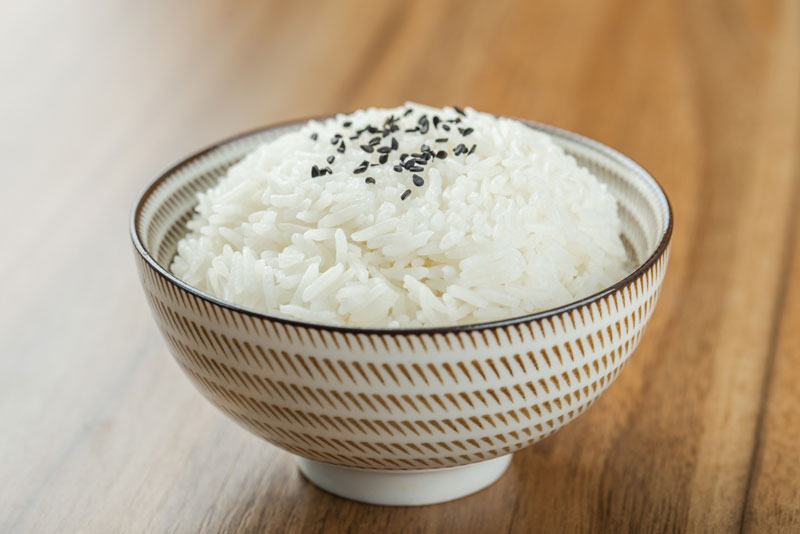
Hey there, fellow pet lovers! We’re here to bring some clarity to an important question that many dog owners might stumble upon—can dogs eat jasmine rice? If you’re standing in the kitchen, your furry friend is giving you those puppy-dog eyes while you’re cooking, you might wonder if sharing your meal is a good idea. Jasmine rice is aromatic, fluffy, and oh-so-delicious for us! But what about our canine buddies? Well, we’ve got some juicy info to share about this topic!
So, can dogs eat jasmine rice? The short answer is yes! Jasmine rice is safe for dogs and can even be a beneficial addition to their diet if offered in moderation. Just like us, dogs benefit from a balanced diet, and adding rice can aid in digestion, especially if they are feeling under the weather. But before you start dishing it out like a doggy buffet, there are a few things we should consider!
Stick around as we explore the complexities of jasmine rice in a doggy diet, including serving sizes, benefits, possible risks, and fun substitutes. By the end of this article, you’ll be a rice expert, and your pup will know whether they’re going to be having a fancy dinner of jasmine rice tonight!
You might also be interested in: Can Dogs Eat Rice Cakes?
Can Dogs Eat Jasmine Rice?

Jasmine rice has gained popularity for its fragrant aroma and fluffy texture. It’s often used in Southeast Asian cuisine, and its delicious flavor can indeed tempt a dog to come begging for a taste! But as responsible pet owners, we know that not all human foods are safe for our furry friends. That’s why we’re asking, can dogs eat jasmine rice safely? As mentioned earlier, yes, they can!
Jasmine rice is classified as a simple carbohydrate, which means it is an excellent source of energy for dogs. It contains starch, and dogs can digest it without any issues. When cooked and prepared appropriately, jasmine rice can be offered to dogs as a part of their balanced diet. It can even be useful when a dog suffers from an upset stomach, as rice can help to firm up stools and provide necessary carbohydrates for energy. Plus, it has a specific texture that doggies can eat without difficulty.
It’s important to remember, though, that moderation is the key! Jasmine rice should only be an occasional addition to your dog’s regular diet and not a substitute for their day-to-day dog food. Adding variety is great, but it shouldn’t replace the essential nutrients dogs need from their primary food sources. Also, be cautious about what you cook the rice with; no butter, salt or spices should be added as they can be harmful to furry pals.
How Much Jasmine Rice Can Dogs Eat?
When it comes to serving jasmine rice to our furry friends, determining the right portion is essential. Since every dog is unique in size and dietary needs, the amount of jasmine rice we can safely offer will vary from one furry companion to another. As a general rule of thumb, the rice should account for only about 10 percent of a dog’s daily caloric intake. This guideline helps to ensure that our pups are enjoying some rice without compromising their nutritional needs!
For small dogs, a tablespoon or two of cooked jasmine rice is a suitable amount. For medium-sized pups, two to four tablespoons work well, while larger dogs can eat anywhere from half a cup to a full cup of jasmine rice mixed with their regular meals. It’s important to remember to cook the rice thoroughly before serving. Uncooked rice can be a choking hazard, and undercooked rice is harder for dogs to digest!
When introducing jasmine rice into your dog’s diet for the first time, start small. A few tablespoons served solo can help your dog adjust to it and observe if any adverse reactions occur. If all goes well and your pup gives you a happy bark of approval, you can gradually increase the amount served in future meals.
Another great idea is to mix jasmine rice with some lean protein like boiled chicken or turkey, which is super beneficial! This combination not only enhances the flavor but adds a protein hit! Just make sure to avoid seasoning this combo, as spices and added fats can disturb your pet’s tummy.
Always consult your veterinarian if you’re unsure of the right serving size or what foods to include in your dog’s diet. It’s always better to have a vet’s advice for a tailored and safe plan for our furry friends.
Benefits Of Jasmine Rice To Dogs
Now that we’ve tackled the basic question, let’s venture into the delightful benefits of jasmine rice for dogs! When we think about adding jasmine rice to our furry companions’ diets, the perks are multiple! To begin with, jasmine rice is easily digestible. This quality is immensely helpful when our dogs aren’t feeling well and need a gentle food option.
It can effectively alleviate gastrointestinal disturbances or help after any bouts of diarrhea, providing dogs with the necessary energy without putting additional pressure on their digestive system. Furthermore, as rice is bland, it supports a soothing aspect on an upset stomach, making it an excellent option for sick pups.
Aside from being digestible, jasmine rice is also gluten-free! This feature is music to our ears, especially if our furry buddies have gluten sensitivities or allergies. Incorporating jasmine rice into their meals ensures they enjoy a safe and healthy food source. And as we all know, a healthy pup is a happy pup!
The texture of jasmine rice is another perk. The soft, fluffy grains are easy for most dogs to chew and swallow, making it a palatable option for dogs of all ages. Whether it’s a sprightly puppy or a wise old pooch, your furry friend is likely to love the lightness of jasmine rice! Plus, if they are picky eaters, mixing it into their main food can entice them to finish their meals!
Beyond these immediate benefits, jasmine rice also offers essential carbohydrates that provide long-term energy. This source keeps dogs active and playful, making those walks and play sessions even more fun! Carbs are crucial for maintaining a dog’s health, as they help convert food into energy, keeping our playful pups ready for anything!
Dangers Of Jasmine Rice To Dogs
While jasmine rice has several benefits for our furry friends, we must also address the possible risks associated with its consumption. As the saying goes, too much of a good thing can be bad. Overfeeding rice can lead to weight gain or obesity. It’s important that we keep track of our furry friend’s calorie intake, as excessive carbohydrates with minimal exercise can lead to unhealthy weight.
Another concern with jasmine rice specifically is related to its glycemic index, which is higher than other rice types like brown rice. A high glycemic index can lead to rapid increases in blood sugar levels. For dogs with diabetes or weight management issues, this is something we don’t want to promote! It’s best to consult the vet regarding portion sizes and diet plans for pups with specific health conditions.
Also, you should always ensure Jasmine rice is served plain without additives. Certain ingredients like onions, garlic, or spices can be dangerous to dogs. When preparing jasmine rice, always stick to simple cooking methods, such as boiling or steaming. It’s safe to say that the simpler, the better! Serving rice combined with rich sauces, or seasonings may create digestive issues for our furry pals.
In case you notice any adverse reactions such as vomiting, diarrhea, or lethargy after they consume jasmine rice, it’s best to consult a veterinarian immediately. Our furry companions communicate with us through their behavior, and seeing any changes can help us figure out if something they ate doesn’t sit well with them!
Substitute Of Jasmine Rice For Dogs
If you’re excited to add jasmine rice into your dog’s bowl but feel like shaking things up, there are several alternatives to consider! Starting with brown rice, it’s a whole grain that contains more fiber and nutrients compared to white rice. The extra fiber can aid more significantly in digestion, making it an excellent choice for dogs. It’s worth noting that the texture might be chewier than jasmine rice, but many pets enjoy its nutty flavor just as much!
Quinoa is another great option, packed with protein and essential amino acids, making it a superfood for pets! It’s gluten-free and boasts higher nutritional value than regular rice. If your dog seems to steer clear of rice altogether, quinoa can be a nutritious alternative. We can simply cook it as we would rice, making it an easy option to incorporate into dog meals.
Oats can also take the spotlight as an alternative option! They come enriched with fiber and can be beneficial for digestion. We can offer cooked oatmeal to dogs in moderate amounts, and many pets love the taste too! Just make sure not to add sugar, milk, or any toppings, as those additions can harm our furry pals’ tummies.
Consider sweet potatoes as well! Not only are they full of vitamins, but they make a great alternative to rice in a dog’s diet. Tasty and colorful, sweet potatoes can add flavor and health benefits when mashed or cubed into their meals. Our dogs may even think it’s a treat!
The key takeaway is that variety is vital! We should keep our dogs’ meals interesting while ensuring they receive balanced nutrition. So, if jasmine rice isn’t on the menu, there are plenty of alternatives to get excited about!
Can Dogs Eat Jasmine Rice? Frequently Asked Questions
Is Jasmine Rice Better Than white Rice For Dogs?
In general, both jasmine and white rice provide similar benefits when it comes to digestibility. Jasmine rice has a nice texture and aroma that many dogs tend to enjoy, but white rice might be preferred if you’re looking for a more standard option. Each type serves its purpose, but moderation is the key regardless of the choice!
Can Puppies Eat Jasmine Rice?
Puppies can eat jasmine rice once they have transitioned to solid foods. However, it’s crucial not to overdo it. Moderation is important, as their tiny tummies need a proper balance of nutrients. Mixing a little jasmine rice with puppy-compatible food can make mealtime more enticing for them!
Can Dogs With Diabetes Eat Jasmine Rice?
It’s best for dog owners to consult their veterinarian regarding diets for diabetic dogs. Jasmine rice has a high glycemic index, so it may cause hindered blood sugar levels. Depending on the individual dog’s health, your vet can provide specialized advice!
How To Cook Jasmine Rice For Dogs?
Cooking jasmine rice for dogs is pretty straightforward! Simply rinse the rice thoroughly, then boil in water in a pot. Cook for about 15 to 20 minutes, stirring occasionally, until tender. Let it cool down before serving! Remember, leaving out seasonings is best!
Can Dogs Eat Jasmine Rice Every Day?
While jasmine rice is beneficial, it shouldn’t be served every day as a primary food. It can be offered occasionally in small amounts alongside their regular food. Conduct a balance to help maintain the nutritional needs of your pup!
Final Thoughts
As we wrap up our exploration into whether dogs can eat jasmine rice, it’s clear that this aromatic treat can indeed be a safe and beneficial addition to our furry friends’ diets, provided it is served correctly. Recognizing the importance of moderation, mindful serving sizes, and an understanding of possible risks can help us incorporate jasmine rice as an occasional delight for our pets.
Remember that every dog is unique, and it’s always wise to consult with our veterinarians about the best dietary options for our pups. Being informed means that we can keep our furry companions happy, healthy, and ready to wag their tails! For more insights into what our pets can eat, like checking out human foods that cats can eat, be sure to explore our other resources at Huston Veterinary!