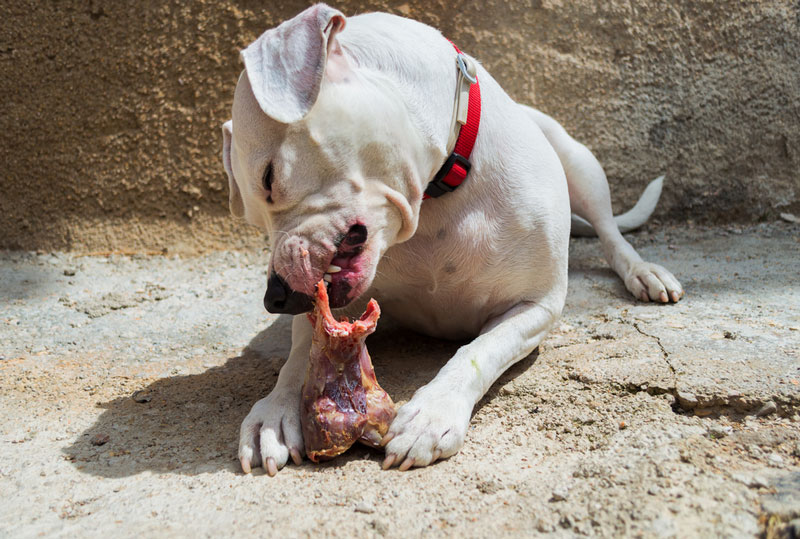
Hey there, fellow dog lovers! Today, we’re tackling a popular question that many pet parents may ask at some point: Can our furry friends munch on ham bones? The idea of treating our dogs with leftover goodies can be so tempting, but before we get excited, we need to figure out what really is safe for our pooches.
We all know that dogs love chewing on bones, and ham bones, in particular, might seem like a tasty treat. They’re juicy, flavorful, and could keep our furry companions entertained for a while. But here’s the kicker: not all bones are made equal. So, can dogs eat ham bones? Let’s find out together! The short answer is, it’s not a good idea. Ham bones can pose risks to your dog’s health. But don’t worry! We will go into detail about why these bones are not dog-approved, the risks involved, and also some safe alternatives that your pup can enjoy.
Stick around as we explore the ins and outs of ham bones, what makes them a potential risk, and discuss some great substitutes that will keep your pet happy and munching away!
You might also be interested in: Can Dogs Eat Steak Bones?
Can Dogs Eat Ham Bones?
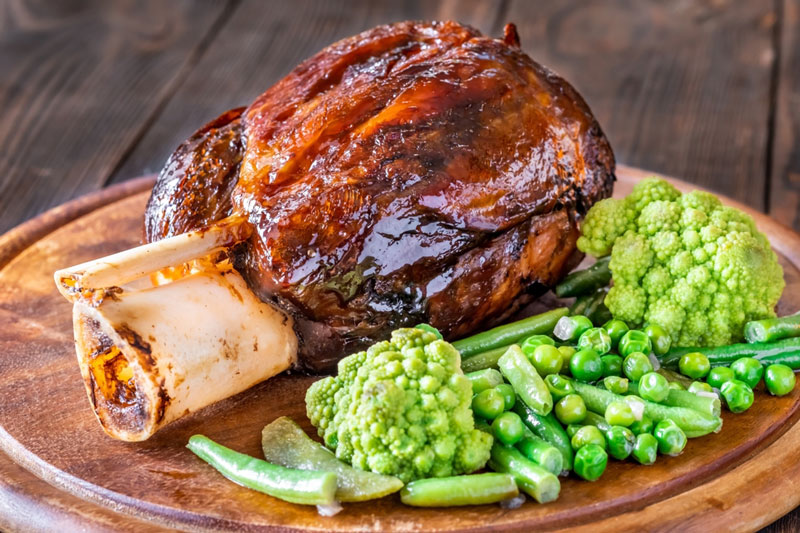
The first thing we should talk about is the texture of ham bones. It’s important to know that these bones can be quite hard and brittle, which can be harmful for our dogs. When a dog chews on a ham bone, it can easily splinter into sharp pieces. And guess what happens next? Those sharp pieces can cause cuts or punctures in our dog’s mouth, throat, or, even worse, their digestive system. We don’t want to see our furry friends facing surgery just to remove a sharp bone fragment!
Not only can the splintering be a safety issue, but ham bones may also be too fatty. Fatty foods, like ham, can upset your dog’s stomach and cause conditions like pancreatitis. Believe us, no one wants to deal with a sick pup! This condition can lead to severe vomiting and abdominal pain, making your dog uncomfortable. That fun treat can quickly turn into a trip to the vet!
Also, let’s not overlook how salty ham can be. Processed meats usually contain excessive salt, and too much salt isn’t good for our canine buddies either. If a dog eats a lot of salt in one go, they could end up with salt poisoning. That’s a serious issue that can cause symptoms like excessive thirst, urination changes, and in some cases, even seizures.
To sum it all up, no, dogs should not eat ham bones. They present various risks that could harm our beloved pets. But fear not! There are plenty of safe and delicious alternatives out there that can satisfy their urge to chew while keeping them healthy. We’re here to help you make the best choices for your furry companions.
How Much Ham Bones Can Dogs Eat?
If ham bones are off the menu, you might wonder if there’s a safer option that still provides the chewing satisfaction our dogs crave. While we can’t offer ham bones, we can discuss the importance of portion control when it comes to other dog treats.
When introducing any new treat or food, moderation is key. Giving too much of anything—even healthy snacks—can cause an upset stomach or lead to unwanted weight gain in our four-legged friends. For example, if we consider giving our pups dental chews or safe rawhide, it’s usually best to start with one small piece a day and monitor their reaction.
Dogs come in various sizes and breeds, so the amount should correspond to their individual needs. A small dog like a Chihuahua might only need a tiny chew, while a big guy like a Great Dane can handle a larger treat. That’s why it’s important to adjust the size and frequency according to your pet’s unique requirements.
Feeding them new treats should always involve observation. Look out for any signs of discomfort after they snack on something new. Loose stools or changes in behavior are red flags that something might not agree with them. If that happens, it’s best to stop feeding that particular treat and consult with your veterinarian for personalized advice.
When looking for safe treats, ask questions about what the chew is made of, and if it has nutritional benefits. Chews made of natural ingredients will not only taste better but will also be beneficial for their dental health. Keep in mind that variety is the spice of life! Changing up the types of treats we give them might just make them happier.
Benefits Of Ham Bones To Dogs
While we’ve discussed why ham bones shouldn’t be on our pooches’ plates, let’s shine a light on the benefits of healthy and safe chewing alternatives.
One of the key benefits of safe chews is improved dental health. As dogs chew on their treats, the action helps remove plaque and tartar buildup on their teeth. This reduces the risk of dental problems down the road. A dog’s oral health is super important because it affects not only their mouth but also their overall health. Regular chewing can lead to fresher breath and fewer vet visits that focus on dental cleanings!
There’s also the enrichment factor to consider. Dogs love to chew; it’s in their nature! Providing suitable chews can keep them engaged and entertained. Instead of being bored and creating mischief, they can focus on the chew. This encourages mental stimulation and reduces anxiety for our furry friends. Just imagine the peace at home while they work on a delicious chewier!
Furthermore, healthy chews can serve as a reward! Offering treats works wonders for training. Whether they’re learning a new trick or simply being a good dog, praise mixed with the reward of a safe chew provides positive reinforcement. Who wouldn’t love that tail wagging in joy?
Lastly, offering a variety of safe and nutritious chews can contribute to a balanced diet. Many chews come with added vitamins and minerals, helping our dogs get the nutrients they need. It’s like getting dessert for doing all their tricks, but it’s a treat that’s beneficial to their health!
Dangers Of Ham Bones To Dogs
As we already touched on, ham bones can pose several risks that we should be mindful of. The splintering issue is significant, and we cannot stress enough how dangerous bone fragments can be. They can cause punctures, which can lead to infections, digestive blockages, or even internal injuries that require surgery.
Also, we should remember that not all bones are created equal. Some bones are safer than others. For instance, raw bones are often safer because they are less likely to splinter compared to cooked bones. That’s why educating ourselves about safe types can help us keep our pets out of harm’s way.
Another danger is the fatty content in ham. Fatty foods might seem tasty, but they can cause pancreatitis, a serious health condition. This inflammation can lead to severe pain and discomfort for our furry friends. If they are given fatty scraps regularly, they may find themselves at the vet way too often.
If we look at portion sizes and treat frequency, giving them too many treats in general can lead to obesity. An overweight dog is at risk for various health problems, including diabetes, joint pain, and many others. It’s important to understand that balance is key! Giving treats in moderation and ensuring they maintain a healthy weight will keep our dogs happy for years to come.
Also, let’s not forget that some dogs have allergies or sensitivities to certain types of proteins or ingredients found in commercial chews. If you notice signs of allergies such as itching, vomiting, or diarrhea, you should consult with your vet for personalized advice.
Substitute Of Ham Bones For Dogs
If ham bones are a no-go, we should have a little fun discovering healthy and safe substitutes for our furry pals. Luckily, there are tons of alternatives that satisfy their chewing instincts without the risks associated with ham bones.
Raw bones are a classic alternative. They are softer and less likely to splinter than cooked bones. If you’re considering raw options, make sure they are larger than your dog’s mouth to avoid swallowing and to supervise conscious chewing! Raw chicken necks or beef bones are popular choices.
Another safe option is dental chews. These are specifically designed to not only satisfy dogs craving to chew but also help clean their teeth. Many commercial dental chews are formulated with natural ingredients that promote oral health without harmful additives.
Fruits and veggies can be fantastic options as well. Carrots, for instance, are crunchy and help keep teeth clean! They are low in calories and packed with vitamins. Apples and pumpkin are also great choices; just remember to remove any seeds or core pieces before offering them to your pup.
Lastly, let’s talk about store-bought chews! There are many brands formulated to be both tasty and safe for our four-legged kids. These treats usually come in various flavors, ensuring there’s something for even the pickiest of pups. Always check the ingredients to confirm they are made from high-quality, natural sources.
Can Dogs Eat Ham Bones? Frequently Asked Questions
Can All Dogs Eat Raw Bones?
While many dogs can enjoy raw bones, it’s essential to consider your dog’s size, chewing style, and digestive health. Always supervise them, and consult your vet if unsure.
Are All Commercial Dog Snacks Safe?
Not all commercial snacks are created equal! Some may contain harmful additives. It’s best to opt for high-quality brands with natural ingredients and clear labeling.
How Can I Keep My Dog’s Teeth Healthy?
Regular dental chews, brushing their teeth, and providing raw bones can all contribute to good dental health. Consistent care can help prevent larger dental issues later!
What Should I Do do If My Dog Eats A Ham Bone?
If your dog accidentally ingests a ham bone, monitor them closely. Look for symptoms like vomiting, lethargy, or difficulty defecating. If concerned, consult your vet promptly!
Can I Give My Dog Bone Broth Instead Of Bones?
Definitely! Bone broth can provide nutritional benefits without the risks of bones. It’s tasty, hydrating, and offers collagen and nutrients that can support your dog’s joint health.
Final Thoughts
In conclusion, loving pet parents always want what’s best for their furry companions. While the idea of offering ham bones may seem enticing, the risks associated with them far outweigh any potential benefits. It’s always best to opt for safe alternatives that can keep our dogs entertained, healthy, and happy.
With plenty of wonderful substitutes available, we can give our dogs the joy of chewing without putting their health on the line. Remember, keeping our furry friends safe and healthy means being informed. Enjoy exploring other safe human foods that dogs love, and let’s continue this awesome journey as pet owners together!
If you’re curious about other human foods that are safe for our feline friends, check out our blog. It’s a fun topic that can help broaden our pet-loving horizons!