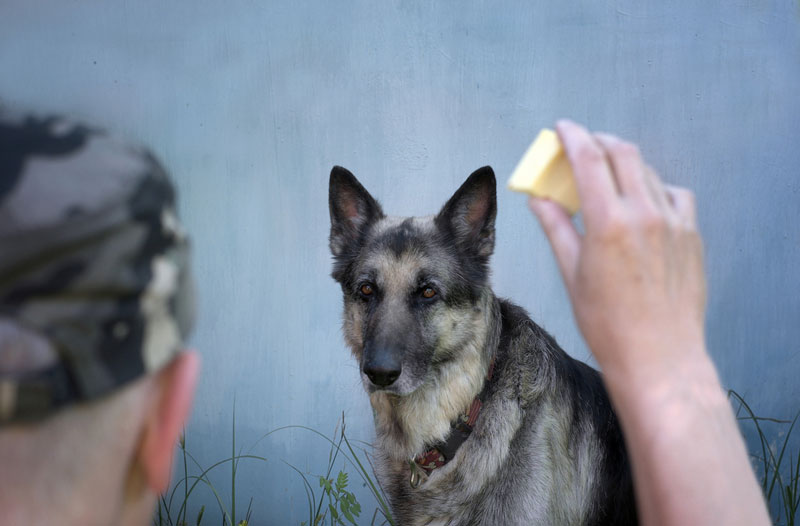
Welcome, fellow pet enthusiasts! As devoted pet lovers, we always strive to provide our furry friends with the best nutrition possible. One popular question that often lands in our laps is about goat cheese and whether our canine companions can safely munch on it. Goat cheese is creamy, tangy, and absolutely delicious. So, can our four-legged buddies join us in enjoying this scrumptious treat? Let’s find out together!
When it comes to sharing food with our loyal pets, it’s important to pick the right choices. Yes, dogs can eat goat cheese in moderation! This dairy delight can be a delightful addition to their diet, as long as we take into account a few important factors. It’s rich in nutrients, but we always need to be mindful of how much we offer to avoid any tummy troubles.
Stick around as we explore goat cheese in more detail – we’ll cover its potential benefits, risks, and alternative treats that might tickle your furry friend’s taste buds. Trust me; you won’t want to miss this mouthwatering journey!
You might also be interested in: Can Dogs Eat Feta Cheese?
Can Dogs Eat Goat Cheese?

When we consider sharing our tasty treats with our furry companions, goat cheese often comes to mind. This creamy delicacy has gained popularity in various dishes and is loved by many of us. But the big question is, can we safely share it with our lovely pooches?
The answer is a happy yes! Dogs can indeed partake in the pleasures of goat cheese. It is, however, crucial to remember that moderation is key. While goat cheese can provide a tasty treat for our canines, too much of it can lead to some unwanted digestive issues.
Goat cheese is made from goat’s milk, and this can make it a more digestible option for our dogs compared to other cheeses, which are often made from cow’s milk. This is particularly true for dogs that may have lactose intolerance, as they might find goat’s milk easier to digest.
What’s great about goat cheese is that it’s packed with beneficial nutrients! It contains protein, vitamins A and B, magnesium, calcium, and healthy fats. However, it’s essential to ensure that the cheese is plain and unseasoned, as other ingredients such as garlic can be toxic to our pets.
When introducing goat cheese to your dog’s diet, remember to start with a small portion. Monitor how they react to it, and if everything seems A-okay, feel free to treat them from time to time. Just make sure that goat cheese doesn’t replace their main diet, which should consist of high-quality dog food.
In short, goat cheese can make an exciting and tasty treat for our furry friends, but it should always be given in moderation. Always keep an eye on their reactions to it for a safe and enjoyable experience!
How Much Goat Cheese Can Dogs Eat?
Now that we know dogs can enjoy goat cheese, let’s chat about how much of it we can safely offer! It’s not just about what they can eat – understanding portion control is essential for keeping our fur babies healthy and happy.
The serving size of goat cheese you give your dog can largely depend on their size, weight, and overall health. A tiny treat for a Chihuahua is much different compared to a generous serving for a Great Dane! For smaller dogs, just a teaspoon of goat cheese is a good starting point, while larger breeds can indulge in a tablespoon or two.
Remember, goat cheese should only be an occasional treat and not a frequent part of their daily diet. Too much of it can lead to stomach upset and cause diarrhea, which nobody wants for their beloved pups. While goat cheese has nutritional benefits, their primary food source should still be high-quality dog food to ensure they’re getting all the essential nutrients they need.
If your dog has any food allergies or sensitivities, be cautious when introducing goat cheese. Start with a small amount and observe how they react. If there are any signs of discomfort or allergies, such as excessive itching, vomiting, or diarrhea, you should discontinue giving them goat cheese and consult your veterinarian.
As an alternative, you can get creative with the way you offer goat cheese! It can be spread on a treat or mixed into their regular food to entice picky eaters. Just keep track of how much you’re giving, as those little bites can add up quickly!
To sum it up, goat cheese can be a delightful addition to your dog’s treats – just remember to stick to appropriate portion sizes, and always keep an eye out for any unusual reactions!
Benefits Of Goat Cheese To Dogs
Now that we have settled on moderation, let’s highlight some of the fantastic benefits of goat cheese for our furry friends! Goat cheese isn’t just a delectable snack; it can also provide valuable nutrients that support our dogs’ health.
For starters, goat cheese is rich in protein. Dogs, being part carnivore, thrive on protein as it plays a vital role in their overall health, growth, and muscle development. Adding some goat cheese into the mix can help secure some of that protein, especially for active pups or those who might need a little extra energy boost.
On top of that, goat cheese contains a variety of essential vitamins, including vitamin A and several B vitamins, which are crucial for maintaining a healthy immune system and supporting metabolism. Not to mention, calcium and magnesium can benefit their bones and teeth, giving your furry buddy even more reasons to enjoy that creamy cheese!
For those furry friends who have lactose intolerance, goat cheese offers a bit of hope, as it’s easier to digest compared to cow’s milk and cheese. This means our lactose-intolerant pals might still enjoy the tangy goodness without the unpleasant digestive aftermath.
Furthermore, goat cheese is typically lower in fat than many other cheeses, making it an excellent option for dogs on a weight management plan. That doesn’t mean to indulge in it too often – just like we wouldn’t want to overindulge in our favorite snacks!
You can also use goat cheese as a training tool. Since dogs love tasty treats, a little dollop of goat cheese can motivate them during training sessions, making them more eager to learn new tricks or behaviors. Plus, employing positive reinforcement with scrumptious rewards can build strong bonds and trust between you and your four-legged companion.
So, to summarize, offering your pooch some goat cheese can have numerous benefits, including providing essential nutrients, aiding in digestion for those with limitations, and even acting as a fantastic training treat!
Dangers Of Goat Cheese To Dogs
While we’ve talked about the potential benefits of goat cheese, it’s important to balance that with an understanding of the risks associated with it. As with all tasty treats, moderation and caution are our best friends!
One significant risk to keep in mind is lactose intolerance. Even though goat cheese is easier for some dogs to digest, it doesn’t mean every dog will react the same way. Some dogs, regardless of the type of cheese, may still experience digestive upset when consuming dairy products. Signs of lactose intolerance can include gas, bloating, diarrhea, and an upset stomach.
Another factor to watch out for is the calorie count. Goat cheese can be higher in calories than other treats, and too much can lead to weight gain. Especially if your dog is on a weight management plan, it’s vital to watch how often you indulge them with cheese – even though it’s delicious! Portion control is essential, and we shouldn’t treat cheese as a replacement for their regular meals.
In some cases, dogs with sensitive stomachs and specific health issues may have a negative reaction to foods that are high in fat or rich in protein, even if the ingredients seem harmless. If your dog has pancreatitis or other gastrointestinal issues, goat cheese might not be the best treat for them. Always consult your veterinarian to get a better understanding of what foods are appropriate for your pup’s health circumstances.
Additionally, goat cheese is sometimes seasoned or flavored, including herbs or spices that can be toxic to dogs. Garlic, for instance, is a no-go for our furry buddies. Always check the label to ensure there are no harmful additives lurking in that goat cheese, and stick to plain varieties to be on the safe side.
If your dog has had any allergies to dairy or other similar foods, then it’s best to keep goat cheese off the menu altogether. Always consult with your vet before changing your dog’s diet or introducing any new foods.
In summary, it’s essential to keep an eye on how your dog responds to goat cheese. Watching for adverse reactions and practicing portion control can help us enjoy our cheese moments safely!
Substitute Of Goat Cheese For Dogs
If, for some reason, goat cheese just isn’t suitable for your beloved pet, fear not! There are plenty of delightful alternatives that you can safely offer your furry friends. Variety is the spice of life, after all!
Cottage cheese is a great substitute for goat cheese that is often easier for dogs to digest! It’s lower in fat and can still provide some of the nutritional benefits we talked about earlier. Just like goat cheese, start with a small portion and observe how your dog reacts. If they enjoy it, cottage cheese can be a lovely addition to their diet!
Another option might be yogurt – particularly plain, low-fat yogurt. Like cheese, yogurt can offer similar nutritional benefits but with the added bonus of probiotics, which are beneficial for digesting food. It’s an excellent treat for dogs looking for a tasty snack. Again, only give moderate amounts, especially if your dog has lactose sensitivity.
If you’re looking to pamper your pooch with a truly exciting treat, consider some dog-friendly peanut butter! It’s loaded with flavor and protein. Just check to ensure the peanut butter doesn’t contain xylitol, which is toxic to dogs. A little lick of peanut butter can go a long way in making our pups feel cherished!
Carrots, apples, or sweet potatoes are great alternatives to dairy products. They are healthy snacks that can provide vitamins, minerals, and antioxidants for our furry companions. Plus, dogs tend to love chomping on crunchy vegetables! Just like with cheese, be sure to start small to gauge your dog’s reaction to any new treat.
Remember, when providing substitutes for goat cheese, moderation is key. Monitor your dog’s behavior and health closely, and maintain conversations with your vet to ensure all is well.
In conclusion, if goat cheese isn’t in your pup’s diet, there are plenty of substitutions available that can bring joy to their taste buds while promoting their health!
Can Dogs Eat Goat Cheese? Frequently Asked Questions
Is Goat Cheese Safe For Dogs?
Yes, goat cheese is generally safe for dogs to eat in moderation. Just make sure you start with a small portion to see how your dog reacts, as some dogs may experience digestive issues with dairy.
Can Dogs Have Goat Cheese Every Day?
While dogs can enjoy goat cheese, it should not be a daily staple in their diet. Treat goat cheese as an occasional snack and stick to portion control to avoid any potential digestive upset.
What Should I Do If My Dog Eats Too Much Goat Cheese?
If your dog has consumed too much goat cheese, monitor them for any signs of discomfort or digestive upset, such as vomiting or diarrhea. In the case of severe symptoms or persistent discomfort, it’s best to consult your veterinarian.
Can Puppies Eat Goat Cheese?
Puppies can generally eat goat cheese, but it’s essential to introduce it in small portions and keep an eye on their reactions, as their digestive systems can be more sensitive than adult dogs.
What Are Some Other Good Treats For Dogs?
Some fantastic dog-friendly treats include fresh fruits like apples, bananas, and blueberries, as well as crunchy veggies like carrots and green beans. On top of that, you can offer them small amounts of low-fat yogurt or cottage cheese!
Final Thoughts
Can dogs eat goat cheese? Yes, they can! However, moderation is vital for your furry friend’s well-being. Sharing gourmet treats can be a lovely bonding experience, but we must ensure our pups enjoy their meals safely and healthily. As always, keep an eye on their reactions when introducing new foods, and reach out to your veterinarian as needed.
As we explore more about our beloved pets’ diets, consider checking out some other fascinating topics, like human foods that cats can eat. Let’s continue enhancing the nutrition and enjoyment of our pets’ lives together!