
Welcome to the delightful world of pets and food questions! As pet parents, we know that our furry friends are curious about everything, especially when it comes to what we eat. Today, we are going to explore a fun topic – can dogs eat fruit snacks? It’s a question that many dog owners ponder, especially when they see their pooch looking at them with those big, pleading eyes during snack time. We often want to share our snacks with our pets, but it’s crucial to know what’s safe and what’s not!
When it comes to fruit snacks, it’s essential to understand that not all human foods are suitable for our canine friends. While fruit itself can be a healthy treat for dogs, fruit snacks often contain additives, sugars, and other ingredients that can be harmful to our pets. So can dogs eat fruit snacks? The short answer is, it’s best to avoid giving them these sugary treats. Many fruit snacks in stores are packed with sugar, artificial flavors, and preservatives that wouldn’t do our furry friends any favors! But don’t worry; there’s more to explore about what makes fruit snacks a tricky snack for our pups!
As we dive deeper into the world of fruit snacks and dogs, keep reading to discover the different aspects involved, from the benefits and risks to alternative treats that could keep our dogs wagging their tails happily! Let’s embark on this tasty adventure and find out how we can keep our beloved companions safe and healthy while still enjoying snacking!
You might also be interested in: Can Cats Eat Fruits?
Can Dogs Eat Fruits Snacks?
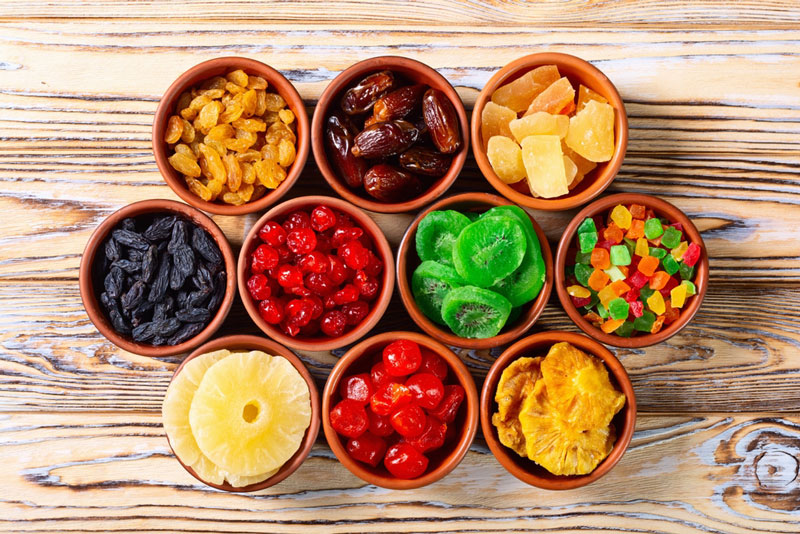
When thinking about whether dogs can eat fruit snacks, we need to consider what these snacks are made of. Generally, fruit snacks are chewy candies that claim to be made from fruit, but many contain more sugar and synthetic ingredients than actual fruit. As devoted pet lovers, we want to ensure that our furry friends are getting healthy and nutritious treats. While it may be tempting to share our fruit snacks with our dogs, it is essential to remember that most of them are loaded with sugar and artificial flavors that can upset a dog’s stomach.
The primary concern with fruit snacks is their ingredients. Most fruit snacks contain high fructose corn syrup, artificial colors, and flavors that are not appropriate for a dog’s diet. Dogs have different digestive systems than humans, and they can struggle to process these artificial ingredients. Consuming too much sugar can lead to obesity, dental problems, and even diabetes in dogs. Just like we shouldn’t overindulge on sweets, our furry companions shouldn’t either!
Many dogs can experience gastrointestinal upset from consuming too much sugar or artificial ingredients, resulting in symptoms such as diarrhea or vomiting. As a responsible pet parent, it’s our job to provide food options that make them feel good and keep them healthy. The best decision is to refrain from offering fruit snacks and explore other fruit options or dog-specific treats instead. After all, sharing healthy food with our furry companions is not just about the fun of sharing; it’s also about caring for their wellbeing.
How Much Fruit Snacks Can Dogs Eat?
As we think about portion control for our canine buddies, let’s consider the significance of moderation. If our dogs were to sneak a piece of fruit snack, the occasional small amount might not send them into doggy distress. However, it is vital to recognize that scaling back on sweets should be a united front—both for our diet and our pets’. When it comes to giving them treats, a good rule of thumb is that treats should only make up about ten percent of a dog’s daily calorie intake.
For example, if we have a small dog weighing about 10 pounds, they may require around 400 calories per day. That means treats should not exceed 40 calories, which is significantly lower than the calorie content found in most fruit snacks. If our dogs are larger, the proportions adjust accordingly, but we must keep in mind that fruit snacks are often not made for dogs with healthy ingredient lists!
Instead, as we enjoy training or playtime with our furry friends, we can feel great about rewarding them with dog-safe fruits like bananas, blueberries, or apples in moderation. Not only are they lower in calories, but they are also filled with vitamins and nutrients beneficial to our dogs. By choosing healthier alternatives, we help preserve their health and vitality.
Let’s also remember that if our dog ever consumes more than a small piece of fruit snack or shows odd behavior, we should observe them closely for any adverse effects. If in doubt, don’t hesitate to consult a veterinarian. They can offer the best advice on how to maintain a balanced diet for our beloved pets.
Benefits Of Fruits Snacks To Dogs
Even though we have been discussing the limitations and downsides of fruit snacks for dogs, it’s important to highlight the potential benefits that certain fruits, as healthier alternatives, can offer! Some fruits, carefully selected, provide nutritional benefits like vitamins, minerals, and antioxidants that help support our dog’s overall health. If we want to treat our furry friends with sweetness, picking fruits that are safe for them is the way to go.
For instance, blueberries are not only delicious but also rich in antioxidants. They can help combat free radicals and support brain function. Additionally, bananas are a great source of potassium and vitamin C, making them a fun treat for our pups. Apples, on the other hand, are full of fiber and vitamin A while being low in calories. By providing dogs with little bites of these fruits, we help maintain their health, energy levels, and digestion!
Besides nutritional benefits, giving our dogs approved fruit treats also strengthens the bond of love and trust between us and our furry buddies. Just recalling those moments when our dogs devour a healthy fruit treat brings out happy tail wags and joyful barks! We are creating joyful memories together while promoting their health at the same time.
By incorporating healthy fruits into their diet, we are also teaching our dogs about the different flavors nature has to offer. Gradually, they can expand their palate beyond their usual kibble. As responsible pet parents, we always strive for the best for our furry companions, and offering them nutrient-rich, dog-safe fruit treats is one way we can show our love.
Dangers Of Fruit Snacks To Dogs
We’d be remiss not to discuss the risks associated with fruit snacks, especially considering that many dogs will readily make their case for just about anything that hits the floor! Understanding the dangers involved plays a key role in ensuring our furry friends remain safe and happy. Consuming fruit snacks, as mentioned earlier, can lead to various health issues due to the high sugar content and artificial additives.
The excessive sugar in fruit snacks can result in quick energy spikes followed by crashes, leaving our dogs feeling lethargic afterward. Moreover, long-term consumption of sugary treats can lead to obesity and related diseases, which could create additional challenges for their well-being. Whenever we indulge in shared treats, we must remember those kinds of treats are usually not meant for dogs!
But what about allergies, you might wonder? Certain dogs may also be sensitive or allergic to specific ingredients found in fruit snacks. For example, if they consumed something that contains gelatin, they might react negatively if they’re sensitive. Signs of an allergic reaction could range from itching and hives to more severe reactions, requiring immediate veterinary attention.
There’s also the potential for choking hazards. Many fruit snacks are chewy and can get lodged in a dog’s throat. Always monitoring our pups when they’re in treat mode is a way to stay attentive. Even the best of us can overlook things when we’re busy enjoying our treats. However, preventing our sweet furry friends from accidental mishaps is crucial!
Ultimately, it is our responsibility to provide them with food options that are safe and beneficial. Instead of risking their health with fruit snacks, we can guide our dogs toward healthier alternatives that are specially designed for their needs. After all, our pets depend on us to keep them happy and healthy!
Substitute Of Fruit Snacks For Dogs
Let’s talk substitutes! While fruit snacks certainly have an appeal, there are loads of healthy alternatives we can try to keep our furry friends happy without compromising their health. As we explore options, let’s focus on fruits that are safe for dogs. Sure, our goal should always be to keep snacking fun and healthy!
If your dog enjoys the sweet taste of fruit snacks, consider offering them slices of apple, removing the seeds and core first. Apples are not only tasty but also super healthy. Carrot sticks are excellent crunchy alternatives. Not only are they low in calories, but they also help promote good dental health because chewing on them scrapes plaque off. We can always use that as a bonus!
Bananas are another fun and nutritious option that most dogs adore. They can be offered in small pieces as an occasional treat. If we’re feeling extra creative, we can even mix mashed bananas with peanut butter to create a delightful homemade dog treat! For added fun, we can shape them into little balls and freeze them as a refreshing snack on a warm day!
Blueberries, strawberries, and watermelon (without seeds or rind) are marvelously delicious and nutritious options, too! Alongside being safe for dogs, they are also packed with vitamins and antioxidants that help support their overall health. By providing them with a variety of these snacks, we are not just keeping snack time exciting; we are also fueling our furry friends with good nutrition.
Another option could be to create your own dog-friendly fruit snacks at home! By blending fruits with Greek yogurt, we can create a tasty treat that’s both healthy and easy to prepare. All we have to do is freeze the mixture in molds, and voilà! We’ve got a frozen treat perfect for our pups on warm days!
Can Dogs Eat Fruit Snacks? Frequently Asked Questions
Are Fruit Snacks Safe For All Dogs?
Not at all! Fruit snacks usually contain sugar and artificial ingredients that can upset a dog’s health. Always stick to dog-safe fruits to keep them healthy!
What Fruits Can I Safely Feed My Dog?
Many fruits are safe for dogs! Some favorites include apples, bananas, blueberries, and watermelon. Always remember to avoid seeds and pits!
Can Dogs Eat Fruit Snacks In Moderation?
While an occasional tiny piece might not cause harm, it’s best to avoid fruit snacks altogether as they provide no nutritional benefits for dogs. Instead, opt for safe fruits!
What Are The Signs Of Allergic Reactions In Dogs?
Signs may include itching, swelling, hives, and digestive issues. If you notice any unusual behavior after feeding your dog fruit snacks, consult a vet immediately.
What Should I Do If My Dog Eats Fruit Snacks?
Monitor your dog for any signs of distress, such as vomiting or diarrhea. If your dog shows signs of discomfort or eats a large quantity, contact your veterinarian for advice.
Final Thoughts
As we wrap up our tasting adventure regarding fruit snacks for dogs, it is clear that while these might seem tempting, they are best left off our furry friends’ snack list. Instead, providing nutritious fruits and specially designed dog treats keeps our pups healthy, happy, and full of energy! By embarking on this journey together, we can make informed choices about the snacks we give our pets. Remember to replace unhealthy snacks with wholesome treats that promote their overall well-being!
If you’re curious about what else is safe or healthy for your pets, check out our article on human foods that cats can eat. Or, if you want deeper insights into other popular pet treats, take a look at our guide on cats eating liver. It’s full of advice letting our pets share delicious snacks without a hitch!