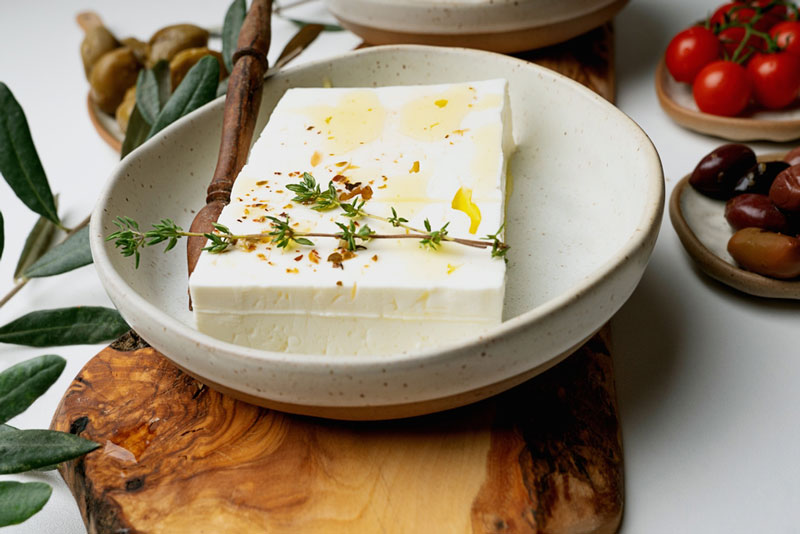
Are you curious about whether your furry friend can indulge in a taste of feta cheese? We understand that as pet parents, we all want to share our snack time with our beloved dogs, and sometimes that leads to questions about what human foods are safe for them. Today, we’re focusing on one specific crumbly delight – feta cheese. Yes, feta cheese! We’ll answer your burning question about whether dogs can eat feta cheese. Spoiler alert: the answer is not as straightforward as we’d like it to be.
Can dogs eat feta cheese? The short answer is yes in moderation. Feta cheese is not toxic to dogs, but it’s also not a necessary part of their diet. This cheese is particularly rich in fat and salt, which we’ve got to watch out for. Young pups and senior dogs, who might have sensitive stomachs, could experience digestive issues if they indulge too much. So, while the odd tiny piece of feta won’t hurt your pup, it’s always a good idea to keep things in balance. Puppy kisses are the best part of your day, and they shouldn’t come with a side of tummy troubles.
Stick around—we’re about to explore the ins and outs of feta cheese and dogs! We’ll cover everything from the benefits to the potential risks, ensuring you have all the info to keep your fluffy companions well-fed and happy. Plus, you’ll get a few fun tips for alternative treats they might enjoy just as much, if not more! Let’s jump into the cheese-y goodness!
You might also be interested in: Can Dogs Eat Shrimp?
Can Dogs Eat Feta Cheese?

Feta cheese is a famed Mediterranean delicacy made from sheep’s milk or a mix of sheep and goat milk. Its crumbly texture and tangy flavor make it popular in salads, pastas, and so many dishes that we enjoy. So, it’s no wonder we might want to share a tiny taste with our dogs! But here’s the scoop: while feta cheese is not harmful in small amounts, it’s not an ideal choice for our canine companions.
Most of the cheese we humans enjoy is high in fat and salt, and feta isn’t an exception. Dogs have different dietary needs than us. Their bodies don’t process certain nutrients the same way, and too much fat can lead to doggy obesity or even pancreatitis—a serious health condition that’s not fun for anyone!
Some dogs are more sensitive to dairy than others. Many adult dogs become lactose intolerant as they mature, meaning their bodies struggle to digest lactose found in dairy products. So, while your dog might seem to enjoy that crumbly treat, it could cause upset tummies or gas afterward. No one wants to be woken up in the middle of the night by a rumbling tummy or worse, right?
In essence, feta cheese can be a fun little treat when given sparingly—but it should not be a regular part of your dog’s diet. If you’re looking for safe snacks for your pup, explore alternatives that can contribute to their overall health without the risk of digestive distress.
How Much Feta Cheese Can Dogs Eat?
So, how much feta cheese is too much? A few tiny bites here and there are fine for most dogs, but as responsible pet parents, we have the duty of moderation. Each dog is different; their size, age, health, and individual dietary needs come into play when determining what’s safe and healthy for them.
A good rule of thumb is to treat cheese like dessert. Just like humans don’t need dessert at every meal (although it can be hard to resist!), dogs should have treats like feta cheese only occasionally. For small dogs, a crumb the size of a pea may suffice, while larger pups might enjoy the size of a marble.
Monitoring your dog’s reaction to new foods is a must. Watch for signs of discomfort after they try feta for the first time. Watch those eyes while they munch on a piece. Are they licking their lips or wagging their tails with delight? Or do they seem to have a little tummy grumble afterward? If they show any discomfort, it’s best to cut it out altogether.
If your dog has had health issues, particularly those related to the digestive system, be sure to consult your vet before introducing any new treats, including feta cheese. When introducing any human food to your dog’s diet, do so gradually to better understand their tolerance level.
In short, while feta cheese can be a tasty surprise every now and then, moderation is essential. Always err on the side of caution! Keep that puppy feeling great and wagging their tail, and save the feta for special occasions, just like we do with cake!
Benefits Of Feta Cheese To Dogs
Feta cheese can serve as an occasional treat, and it does have some benefits that we can share with our beloved furry friends. One of the primary advantages is protein. Cheese is a good source of protein, which aids in muscle development and overall health. For puppies who are growing or active adult dogs, a little added protein can be helpful!
Feta cheese also contains essential vitamins and minerals, such as calcium, phosphorus, and vitamin B12. Calcium and phosphorus support strong bones and healthy teeth—an essential factor for our four-legged friends. Want to keep that bone structure strong for years to come? Incorporating small amounts of cheese can contribute to that goal.
Another positive aspect of feta cheese is its taste! Most dogs are attracted to flavorful foods, and feta’s distinctive flavor can be a great way to entice a picky eater to enjoy their meals. Are you dealing with a picky pup? Mixing a small amount of feta into their kibble may just do the trick! Dogs will experience an explosion of flavor in their mouths. The mere thought can get their tails wagging.
We also can’t overlook that sharing food can enhance the bond we have with our dogs. Giving them a tiny piece of feta can create joy and excitement. Imagining the look on your dog’s face when they take that first nibble is priceless! Experiencing joy with our pets is undoubtedly one of the great rewards of pet ownership. Letting them share in a little bit of our culinary adventures strengthens the love between us.
However, while there are some benefits to feta cheese, it is essential to remember that these advantages should not replace a balanced diet tailored specifically for dogs. Feta should be a treat, not the main course. We want the best for our furry friends and maintain their health, so let’s stick to dog food for that everyday nutrition!
Dangers Of Feta Cheese To Dogs
With great rewards often come some risks, and feta cheese is no exception. While it may seem harmless, there are several potential dangers to consider before treating your pup to this tangy delight.
The most significant risk associated with feta cheese is its high sodium content. Many dogs should limit their salt intake, especially those with heart issues or certain kidney problems. Excess sodium in a dog’s diet can lead to toxic effects and can cause symptoms such as increased thirst, frequent urination, and, in severe cases, sodium ion poisoning. High sodium levels can be especially dangerous when consumed in large quantities.
Another concern surrounds lactose intolerance. As mentioned previously, many dogs do not handle dairy products well. If your pup is sensitive to lactose, you may witness gastrointestinal distress, including diarrhea, vomiting, or gas. Nobody wants those unfortunate consequences after indulging in what should be a joy-filled treat. It’s best to opt for pup-friendly snacks that won’t bring on stomach issues.
Some dogs may also have allergies to dairy products, leading to skin issues or digestive disorders. If you notice your pup itching, scratching, or experiencing any unusual reactions, stop feeding feta cheese immediately and consult your veterinarian.
In light of these potential dangers, it may seem like a daunting decision when considering whether to share feta with your dog. The best approach is to prioritize your dog’s health and wellbeing above all. If you ever have any doubts, reach out to a vet for advice when it comes to the best treats for your pup.
Substitute Of Cheese For Dogs
If you’re worried about feta cheese not being the safest choice for your dog, don’t fret! There are plenty of great substitutes out there that can add flavor to your dog’s bowl without the high sodium or lactose content. We are pet parents who adore spoiling our pups, so let’s explore a few alternate options that will leave those tails wagging!
One popular cheese alternative that is often considered is cottage cheese. Unlike feta, cottage cheese is typically lower in sodium and often easier for dogs to digest. Just be sure to pick a brand that contains no added salt. A spoonful of plain low-fat cottage cheese can add a nice taste and texture to your dog’s meals.
Some dogs love a nice smear of peanut butter! While it is also important to use it in moderation, peanut butter can be a fantastic, tasty treat that many pups adore. Always check the label to ensure the peanut butter has no added salt, sugar, or xylitol (which is toxic to dogs), and enjoy watching your dog lick every last bit from the spoon.
Another excellent treat option for our canine companions is yogurt. Just like cottage cheese, plain, unsweetened yogurt can be a good source of protein and probiotics, which can aid in digestion. Many dogs thrive on yogurt—it can create happy tummies for our furry friends. Just keep an eye on the brand you choose for lactose sensitivity and sodium content.
Finally, fresh veggies such as carrots and green beans can also make for exciting snacks! Dogs generally enjoy crunching these treat options, and they’re low in calories, so we don’t have to worry about any unwanted weight gain. Carrots, in particular, can help with dental health as they scrape away plaque while your dog enjoys chomping down.
Finding alternative snack options can lead to exciting new flavor profiles that your dog may love even more than feta cheese. Get ready to experiment and see what your pup responds to best—you might be surprised!
Can Dogs Eat Feta Cheese? Frequently Asked Questions
Can All Dogs Eat Feta Cheese?
Not every dog will react the same way to feta cheese. While it is safe for many, some dogs may have lactose intolerance or allergies to dairy. It’s essential to monitor your dog’s reaction before making it a regular treat.
How Often Can I Give My Dog Feta Cheese?
Feta cheese should be considered an occasional treat. Giving it to your dog once in a while is fine, but we recommend sticking to a small amount and limiting its frequency to prevent any digestive issues.
What Are The Signs Of Lactose Intolerant In Dogs?
The signs of lactose intolerance can include diarrhea, gas, and an upset stomach. If you suspect your dog may be lactose intolerant, it is best to avoid dairy products altogether.
What Should I Do If My Dog Ate Too Much Feta Cheese?
If your dog has consumed a large amount of feta cheese, it’s important to keep an eye on them. Watch for signs of discomfort, such as vomiting or diarrhea. If they show any severe symptoms, consult your veterinarian immediately.
Are There Any Other Types Of Cheese That Are Better For Dogs?
Cheeses that are lower in sodium, like cottage cheese or mozzarella, may be better choices for dogs. Always check the labels and opt for plain, unsweetened varieties to avoid added sugars or unhealthy ingredients.
Final Thoughts
In conclusion, feta cheese can occasionally be a fun treat for your dog, but moderation is key! Its high fat and sodium levels necessitate careful consideration of your pup’s unique dietary needs, especially for those with lactose intolerance or allergies. Remember, the best part of being a responsible pet parent is ensuring our furry friends’ health and happiness!
We can always find exciting ways to treat our dogs while keeping their wellbeing in mind. Explore other alternatives to give our pets that joy, such as cottage cheese or even healthy munch able veggies! Happy treating and here’s to many more fun moments shared with our furry friends. Don’t forget to check out more good information for dog lovers on Huston Veterinary! And if you have a curious cat at home too, feel free to wander into our articles on human foods that cats can eat or can cats eat liver?!