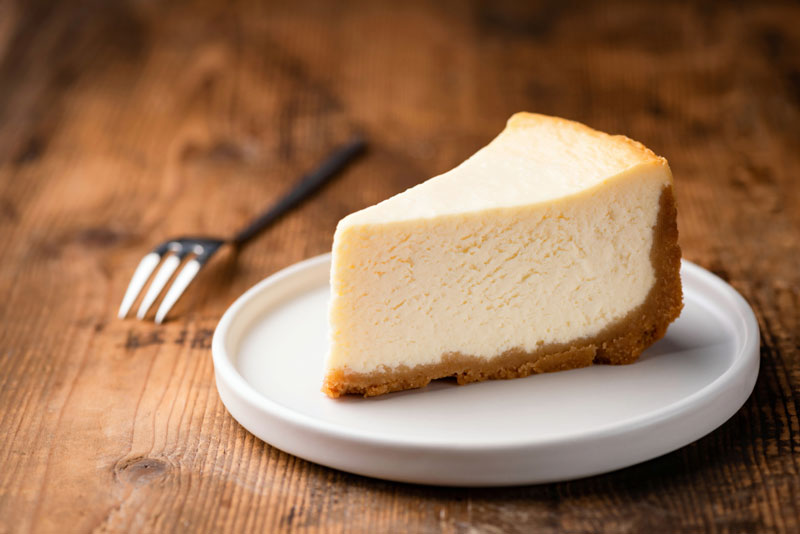
As pet lovers and devoted pet owners, we often find ourselves wondering what delicious treats we can share with our furry friends. We enjoy indulging in sweet treats like cheesecake, and it’s only natural to think about whether our dogs can enjoy a bite too. After all, they love to be part of the family and share in our joyful moments, especially during celebrations or cozy nights at home. But does that mean cheesecake is a safe and healthy option for our beloved pups? This question has sparked many debates among dog owners and pet enthusiasts alike. So, can dogs eat cheesecake? The short answer is not without considerations!
Cheesecake typically contains ingredients like cream cheese, sugar, and sometimes chocolate or fruit toppings, which can be harmful to our canine companions. While it may be tempting to slip your dog a small piece of that rich dessert, it’s important to explore the safety and nutritional implications of sharing it with them. We love our pets and want to ensure they’re safe and healthy, so let’s talk more about this delightful dessert and what it means for our dogs.
We invite you to keep reading so we can uncover the do’s and don’ts regarding dogs and cheesecake, along with some alternative treats that will make your fur baby wag their tail in delight!
You might also be interested in: Can Dogs Eat Waffles?
Can Dogs Eat Cheesecake?

When questions arise about whether dogs can eat cheesecake, we may find ourselves conflicted. Cheesecake can be a decadent dessert enjoyed by many, but it includes several ingredients that may not be suitable for our dogs. Let’s break down what cheesecake typically contains and whether it’s suitable for our furry friends. Most cheesecakes contain: cream cheese, sugar, eggs, vanilla extract, and sometimes additional flavors like chocolate or fruit. Sound delicious, right? But let’s take a closer look.
First off, cream cheese, a key ingredient in cheesecake, is generally safe for dogs in small amounts. This creamy treat primarily consists of dairy, which some canines can tolerate. However, many dogs are lactose intolerant, which means they might experience stomach discomfort, gas, or diarrhea after ingesting dairy products. If you have a puppy or a dog that hasn’t tried dairy before, it’s wise to approach this with caution. We can’t have our furry pals feeling unwell, can we?
Now, what’s next? Sugar! This sweetener is plentiful in cheesecakes and while a tiny bit might not cause immediate harm, consuming large amounts can lead to various health issues. Excessive sugar can lead to obesity, diabetes, and dental problems in dogs—yikes! Our pets rely on us to make the right dietary choices, so it’s essential that we keep their health in mind.
We also need to think about those toppings. Many cheesecakes are drizzled with chocolate or contain fruits like cherries or blueberries. Chocolate is a huge no-no for dogs, as it’s toxic and can lead to serious health issues. Even fruit toppings can pose a risk if they’re not dog-friendly options. Some fruits might be safe for dogs, but certain ones like grapes and raisins are toxic, and we have to keep our pups healthy and happy, right?
In short, while a tiny taste of plain cheesecake might not be deadly, the ingredients typically included make it less than ideal for our canine companions. Sharing human food with our pets requires care and consideration. The answer, in essence, is that dogs can have a small bite of cheesecake, but it’s not the safest or healthiest choice for them. Instead, let’s explore some alternative treats we can safely share with our dogs later on in this article!
How Much Cheesecake Can Dogs Eat?
Now, let’s talk about the quantities. We love treating our pets, but knowing how much of something is safe is a big part of responsible pet ownership. When considering the quantity for any human food, including cheesecake, it’s crucial to keep moderation in mind. After all, we wouldn’t want to treat our dogs to a stomachache, would we? If you’re considering giving your dog a taste of cheesecake, start with a super tiny piece—think less than a tablespoon.
Remember, even though some dogs might be able to handle small amounts of cheese, cheesecake is a whole other ballgame! The sweetness and richness can be overwhelming for their little tummies. If your dog is trying cheesecake for the first time, it’s wise to monitor them for any adverse reactions. Keep an eye out for signs like vomiting, diarrhea, or stomach cramps. It’s always better to err on the side of caution.
When it comes to frequency, let’s be real—cheesecake is not a health food! It should never be a regular part of your dog’s diet. Instead, let’s keep it as a very occasional treat. We surely wouldn’t take a trip to the dessert table every day, right? It’s essential to maintain a balanced diet for our loved ones. Consider substituting cheesecake with healthy dog-friendly snacks or homemade treats formulated specifically for canine health.
No one wants to say no to their dog’s sweet puppy-dog eyes, but responsible pet parents know that treats must be few and far between. We should think about what best serves our pets, rather than indulging every whim. With that in mind, let’s look into some healthier alternatives that we can safely offer our dogs as sweet treats!
Benefits Of Cheesecake To Dogs
Now, we may wonder if there are any potential benefits to sharing a dish like cheesecake with our furry companions. We all want to spoil our pets a little and introduce some fun, right? It’s important to recognize that while cheesecake does have some appealing components, it isn’t the go-to for a nutritious boost! But, let’s discuss what’s good in theory.
One of the most recognizable beneficial components of cheesecake is cream cheese. As we mentioned earlier, cream cheese can be safe for some dogs, and it may even provide a minor protein boost! Cheese is also a rich source of calcium, which is essential for strong bones and teeth. This could be music to our doggies in moderation, but we should be wary of the association that makes cream cheese less beneficial due to sugar and other unhealthy ingredients in cheesecake.
Now, it may feel nice to share a dessert and create that special bonding moment with the fluffy family members. We often treat our pets like family, and having a “special dessert” could be a fun experience. Those little moments can lead to big memories. But remember, while sharing a treat can mean smiles, we can envision healthier bonding options that create less risk for our dogs.
In terms of baking and discovering dog-friendly snack recipes, this adventure can lead us to healthier dietary choices and lead to excellent homemade treats! It gives us the chance to incorporate wholesome ingredients that we know our pets can safely enjoy. So while cheesecake itself might not be beneficial, creating our own dog-friendly desserts can lead to positive experiences all around.
Ultimately, we want our pups to be happy and healthy. So while our dogs might not benefit much from indulging in cheesecake, we can focus on how we can provide balanced nutrition and create special moments by making healthier treats. The biggest takeaway here is that while cheesecake provides some appealing ingredients, our dogs deserve better—so let’s stick to safer, dog-friendly alternatives!
Dangers Of Cheesecake To Dogs
Ready for the downside? It’s essential to discuss the risks associated with giving our dogs cheesecake. While we love that delightful dessert ourselves, it doesn’t mean our dogs can share in that same joy. Cheesecake can pose several dangers, and recognizing them helps us become better pet parents.
As mentioned previously, cream cheese can upset a dog’s tummy, especially if they are lactose intolerant. Some dogs may also experience allergies to dairy products, causing itching or gastrointestinal distress. Recognizing their individual needs is paramount. After all, every dog is unique with different dietary requirements.
We also can’t overlook sugar! Giving our pups treats high in sugar can contribute to obesity, dental disease, and possibly even diabetes over time. Let’s consider our dogs as they age: our sweet fur babies deserve better than contributing to health issues simply for a tasty bite of cheesecake. Their happiness relies on our choices.
Another concern lies in the idiopathic pancreatitis risk that can develop from consuming fatty or rich foods, including cheesecake! When the pancreas becomes inflamed, it can cause serious health problems that may require immediate care. As loving dog parents, we are responsible for keeping our fur babies safe and healthy.
Potentially harmful ingredients associated with cheesecake, like chocolate or certain fruit toppings can make it even more dangerous. We wouldn’t want any surprises if our dogs accidentally indulged in something containing these dangerous ingredients. So, once again, it’s a resounding “no” when considering cheesecake as a treat for our dogs.
In summary, while cheesecake sounds scrumptious, our dogs’ health is best protected by steering clear of this indulgent dessert. There are countless options available that will fulfill their cravings without jeopardizing their health, keeping tails wagging and lives bright. Let’s look into better options that become our pets’ favorites!
Substitute Of Cheesecake For Dogs
Don’t worry, we’ve got your furry friends covered when it comes to delicious dessert substitutes! Understanding the risks of feeding dogs cheesecake doesn’t mean that we must sacrifice their happiness. With a little creativity and experimentation in the kitchen, we can whip up some fantastic dog-friendly treats that will leave them wagging their tails! Let’s explore some options.
First, let’s keep it simple. Plain yogurt can be an excellent replacement for heavier cream cheese. It’s lower in fat and can be safer for many dogs since it contains probiotics that help support digestive health. For a delightful twist, try freezing plain yogurt with bits of their favorite fruit for a refreshing treat. This way, they can enjoy something sweet without the harmful ingredients found in traditional cheesecake!
Another alternative to consider is making homemade peanut butter treats! Peanut butter is a favorite among dogs. Just remember to choose a brand that does not contain xylitol, as it can be toxic. We can create yummy peanut butter cookies or even freeze some in a silicone mold for a cool, fun treat. Your dog will likely agree that peanut butter is simply paws-itively delightful!
If we want to give our furry companions a little sweetness, we could consider using mashed bananas, pumpkin, or even applesauce. These are nutritious options that add natural sweetness and flavor while being safe for our dogs. Baking them into treats can be an enjoyable activity, and your dog will love being included in the fun as they wait eagerly for the tasty results!
Let’s not forget the excitement that comes with making homemade pupcakes! Using dog-friendly ingredients, we can bake mini cakes or muffins specifically designed for dogs! Which wagging tail can resist a doggy cake to celebrate their special day, or just because? It’s a fantastic way to show our love beyond sharing a non-ideal dessert!
So, instead of thinking about cheesecake, we have tons of alternatives to make our pups feel special. It’s important to be mindful of what we share and how we create healthy options that are just as enjoyable for our dogs. With creativity at our fingertips, let’s make sure their tails stay wagging!
Can Dogs Eat Cheesecake? Frequently Asked Questions
What Should I Do If My Dog Eats Cheesecake?
If your dog accidentally eats a small piece of cheesecake, stay calm. Monitor your pet for any unusual symptoms like vomiting or diarrhea. Reach out to your veterinarian if you notice any concerning signs, but if your dog seems fine, just keep an eye on them.
Are There Any Cheese Varieties Dogs Can Eat?
Yes! Many dogs can tolerate small amounts of cheese, but stick to lower-fat options without additives. Always choose plain cheese and offer it in moderation to avoid health issues.
What Fruits Can Dogs Enjoy Safely?
There are plenty of dog-safe fruits like blueberries, bananas, and apples (without seeds) that you can use in homemade treats. Organic or fresh fruits are the best options for healthy snacking!
How Often Should I Give My Dog Treats?
Treats should make up only about 10% of your dog’s daily caloric intake. The focus should be on a balanced diet, so consider treats as an occasional bonus rather than a regular addition!
Can Dogs Have Sugar-Free Treats?
No, be cautious with sugar-free options. Many contain xylitol, which is toxic to dogs. Always read labels and ensure the treats are safe for your pet.
Final Thoughts
As you can see, the topic of whether dogs can eat cheesecake involves a mix of tempting indulgence and potential risks. Our furry friends truly deserve the best, and while sharing cheesecake might seem like fun, it’s essential to think of their overall health and happiness. We should aim to create special moments without jeopardizing their well-being.
Those sweet puppy dog eyes may tug at our hearts, but let’s focus on delicious dog-friendly alternatives that make their tails wag as happily as a good scratch behind the ears! We have the power to craft delectable treats right at home, ensuring our pets remain healthy and cherished from nose to tail. If you’re curious about more pet-friendly foods or alternative treats, feel free to explore some options with all your questions about cats and their human food! Jump into these fun links, and let’s keep our pets’ lives filled with joy and wagging tails together!
Don’t forget to check out some other fun pet topics such as can cats eat cheesecake? or can dogs eat provolone cheese to keep your pets happy and healthy!