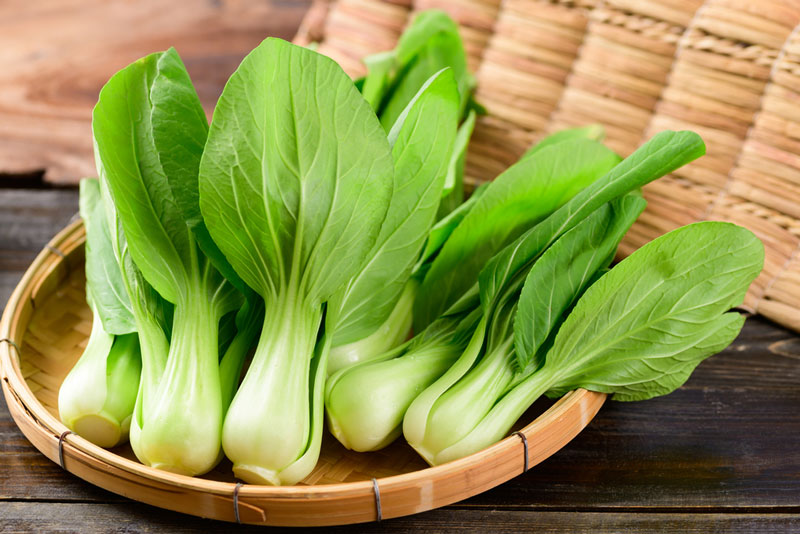
Welcome to the world of pet parents, where the joys of our beloved furry friends meet the curious questions we often have concerning their diets! We love our dogs, and one of the things we often wonder is what foods they can safely enjoy. With a huge variety of fruits and vegetables available, it’s not uncommon to question if our dogs can munch on certain items. These healthy greens often find their way into our meals, and we might find ourselves wondering if they could be good for our pups, too.
In this article, we will answer the pressing question: can dogs eat bok choy? Bok choy, also known as Chinese cabbage, is a green vegetable commonly used in various recipes. But is it safe for our furry companions? Stick around as we explore this tasty veggie and all the benefits and risks it may have for our canine friends. Let’s dig into the details!
You might also be interested in: Can Dogs Eat Romaine Lettuce?
Can Dogs Eat Bok Choy?

Bok choy is not only a flavorful addition to our meals, but it can also be a perfectly safe occasional snack for our dogs. Just like some humans enjoy their greens, our dogs can share in this experience, too! Packed with vitamins A, C, and K, bok choy boasts health benefits that may contribute positively to our furry friends’ diets.
Before we toss this crunchy vegetable to our dogs, consider preparing it properly. Washing the bok choy thoroughly helps remove any pesticides or dirt. We wouldn’t want our pups ingesting any unwanted chemicals! When it’s clean, we can chop it into small pieces and serve it raw or lightly steamed—just avoid adding any oils or seasonings. Consuming raw or steamed bok choy will help ensure our furry companions can digest it easily while maximizing its nutrient benefits.
Some dogs may love the taste while others might turn up their noses at it. Remember, dogs are individuals, and that applies to their food preferences too. So, if your pup is in a mood for greens, bok choy can make a fun and healthy treat! In the next section, let’s explore how much bok choy is safe for our pups.
How Much Bok Choy Can Dogs Eat?
When it comes to sharing bok choy with our furry friends, moderation is key! Just like with any new food, we should introduce it gradually into our dogs’ meals. A small amount at first will help us gauge how our dogs react. Begin by offering a few small pieces either raw or steamed—this way, we can assess our dog’s tolerance without overwhelming their digestive system.
Generally speaking, a couple of pieces of chopped bok choy is enough for a medium to large-sized dog. For smaller dogs, one or two small pieces should do the trick! If they thoroughly enjoy it, we can offer bok choy once or twice a week. However, if our dog shows any signs of discomfort or digestive upset, it’s best to cut this vegetable out of their diet and stick to the foods they love.
Another idea is to incorporate bok choy into their meal alongside their regular dog food. Mixing the vegetable with their kibble or adding it to homemade dog meals can help create a balanced diet. Just remember that our dogs’ main nutritional source should come from their specially formulated dog food. Fresh vegetables can be a delightful addition but should never replace their primary meals.
While it’s tempting to add variety with new foods, keeping an eye on our dogs’ behavior and reactions to bok choy is essential. If we’re uncertain about the right amount, consulting a veterinarian is always a wise choice. They will help establish personalized dietary recommendations unique to our pooch based on their size, breed, and nutritional needs. Together, we can ensure our pup is eating healthy and staying happy!
Let’s keep going and uncover the benefits of bok choy for our canine companions!
Benefits Of Bok Choy To Dogs
When we think about healthy snacks for our dogs, bok choy brings various benefits that make it an appealing choice. First and foremost, it’s packed with vitamins and minerals. These nutrients play a vital role in our dogs’ overall health. For example, vitamin A helps maintain healthy eyesight and is necessary for immune function. Vitamin C, while dogs can produce it naturally, can still provide an extra boost to their immune system, especially during cold and flu seasons. Vitamin K is vital for blood clotting, helping wounds heal properly.
In addition to vitamins, bok choy is rich in dietary fiber. Fiber is crucial for keeping your dog’s digestion smooth and regular. Just like in humans, fiber aids in moving food through the digestive tract, promoting healthy bowel movements. This is especially helpful for dogs who may sometimes experience constipation. The more fiber we offer our dogs, the better they can digest their regular meals and snacks!
We can’t forget how bok choy is low in calories, making it an excellent choice for dogs needing to maintain a healthy weight. While we love to share delicious treats with our furry companions, helping them avoid extra calories is essential. Offering bok choy as a snack can be a satisfying choice for our overweight or inactive dogs while allowing them to indulge guilt-free. Plus, who can resist giving our pups a crunchy treat to chew on?
Lastly, bok choy may have anti-inflammatory properties, which can be beneficial for dogs with chronic conditions or aging joints. Feeding them this leafy green may support their overall mobility and contribute to their long-term health.
As we can see, adding bok choy to our dogs’ diets can offer multiple benefits, promoting their healthy living and happiness. However, we must be cautious about the quantities and monitor their responses closely. Now, let’s explore the potential risks associated with feeding our pups this tasty veggie!
Dangers Of Bok Choy To Dogs
Just like any good story, it comes with a twist—while bok choy has numerous benefits, we need to be aware of the potential risks associated with its consumption. One main concern is the possibility of gastrointestinal issues. Due to our dogs’ sensitive digestive systems, introducing any new food can sometimes lead to gas, bloating, or upset stomach. To prevent any issues, start with small quantities, keeping an eye on their reaction.
Another risk to consider is the presence of oxalates in bok choy. Oxalates can affect calcium absorption in dogs’ bodies if consumed in large amounts. While the concern is minimal for dogs, it’s still a good idea to limit the amount of bok choy they consume regularly. For dogs prone to calcium-related issues like kidney stones, consulting a veterinarian about incorporating bok choy into their diet is essential.
To ensure the safety of our furry friends, it’s crucial to prepare bok choy properly. Always wash it thoroughly and cut it into small pieces. Avoid added seasonings, as garlic and onion—common ingredients in many dishes—are toxic to dogs and can lead to severe health issues.
Allergies and sensitivities can also play a role when introducing bok choy. Just like humans, dogs can be allergic to certain foods or vegetables. When we first introduce bok choy, we should watch for signs of an allergic reaction, such as itching, redness, or gastrointestinal distress. If we notice any concerning symptoms, it’s best to discontinue feeding bok choy entirely.
It’s a good rule of thumb to remember that even healthy foods can have drawbacks if not consumed in moderation. Collaborating with our veterinarian can help ensure that our beloved dogs enjoy bok choy without any adverse effects on their health. All in all, knowing the risks can help us manage our dogs’ diets wisely! Now, let’s see if there are any substitutes for bok choy that could work just as well for our furry friends.
Substitute Of Bok Choy For Dogs
For pet parents looking for alternative veggies or greens to offer their pups, there are several substitutes for bok choy that pack similar benefits and flavors! We’re essentially exploring the “veggie buffet” experience for our dogs here! One fantastic option is kale. Considered a nutritional powerhouse, kale is rich in vitamins A, C, and K, just like bok choy! We can serve it either raw or cooked, giving them a crunchy treat they might enjoy.
Spinach is another excellent alternative. Full of nutrients, spinach provides iron, calcium, and antioxidants. Remember to introduce it in moderation, just like bok choy, as it also contains oxalates. Cooking spinach lightly can help reduce the oxalate content and make it easier for our dogs to digest.
Carrots can also step onto the veggie podium! Not only are they low in calories, but they are also high in fiber and vitamin A. The crunchy texture of a raw carrot can make it an enjoyable snack for our dogs while providing dental benefits by naturally scraping off plaque!
Green beans are yet another substitute we can offer. Low in calories and high in fiber, these beans can be given raw or steamed. Dogs tend to love the taste and texture, making it an ideal addition to their diet.
When exploring alternative vegetables, it’s essential to remember the same guidelines apply. Always wash, chop, and introduce these foods gradually. Watching their reactions can help us understand what they love most. Still, bok choy may be a delicious choice! Who knows, our furry friends might end up liking a colorful mix of veggies over just one!
Can Dogs Eat Bok Choy? Frequently Asked Questions
Is Bok Choy Safe For Dogs To Eat?
Yes! Bok choy is safe for dogs, but moderation is essential. Start with small amounts and monitor their reaction.
What Are The Benefits Of Bok Choy For Dogs?
Bok choy contains vitamins A, C, and K, is rich in fiber, low in calories, and may have anti-inflammatory properties.
How Should I Prepare Bok Choy For My Dog?
Wash it thoroughly, chop it into small pieces, and serve it raw or lightly steamed without extra seasonings or oils.
Can I Give My Dog Too Much Bok Choy?
Yes, too much can lead to gastrointestinal upset, so it’s essential to introduce it gradually and in moderation.
What If My Dog Has An Allergic Reaction To Bok Choy?
If you notice any signs of an allergic reaction, such as itching or gastrointestinal issues, discontinue feeding bok choy and consult a veterinarian.
Final Thoughts
In conclusion, we have explored the ins and outs of feeding bok choy to our furry companions. It’s safe for our dogs in moderation, providing numerous vitamins and nutrients. However, we must be cautious about the potential risks, preparing the vegetable correctly and keeping an eye on their reactions. Remember that every dog is unique, and what works for one may not work for another.
If you’re interested in giving bok choy or other veggies a try, make sure to introduce them slowly and consult your veterinarian for personalized recommendations. By doing so, we will ensure our pets are getting the best nutrition while keeping their taste buds happy! For more exciting and informative articles on pet diets, check out our blog, and let’s keep exploring together!