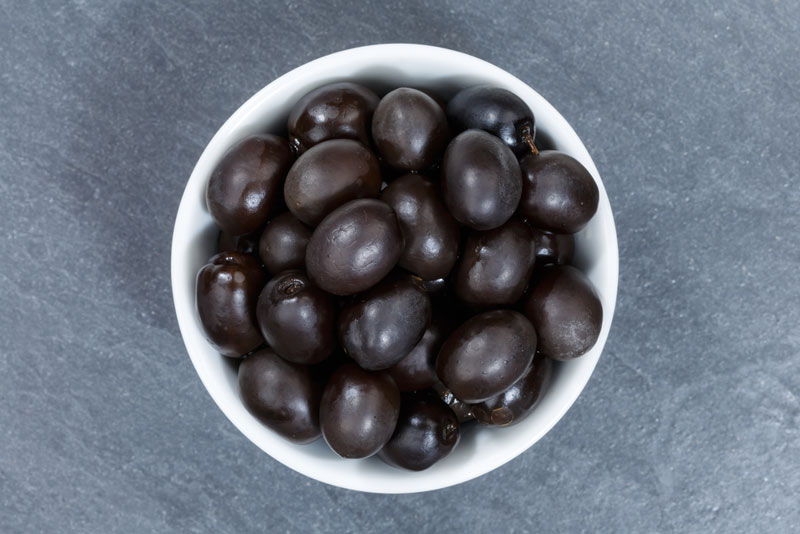
Welcome to the pet care corner! If you’ve ever found yourself munching on a snack and your furry friend staring up at you with those big, pleading eyes, you’re not alone. It’s tough to resist those adorable faces, right? But, hold on just a second! Before tossing your snack to your four-legged buddy, it’s always a good idea to check if they can safely join the feast!
One common query among dog owners is: Can dogs eat black olives? Well, the answer is both a yes and a no! It depends on a few factors like the type and quantity. Black olives are not toxic to dogs like some other foods, such as grapes or chocolate. However, they do come with their own set of considerations. These olives can be a tasty treat for your dog in moderation—but there are some things we need to keep in mind.
So, are you curious about the specifics? Are black olives a good choice for our canine companions, and what should we watch out for? If you’re eager to learn more about this delicious little fruit and whether it’s a good treat for your dog, stick around! We’re about to dig into the juicy details of black olives and dogs.
You might also be interested in: Can Dogs Eat Poppy Seeds?
Can Dogs Eat Black Olives?

Black olives are a delightful treat that many of us enjoy on pizzas, salads, or just as a tasty snack. But can we share them with our canine companions? The good news is that black olives are generally safe for dogs to eat. This small fruit is low in calories and fats, which can be a good alternative to fatty treats. However, there’s more to the story than just safety.
Although they are safe, we must remember that they aren’t the healthiest option either. Black olives are high in sodium, especially if they’re pickled or canned. Salt can lead to issues for our canine pals such as increased thirst and even sodium ion poisoning if consumed in large amounts. Imagine your pup guzzling water as if they were preparing for a desert trek—it could lead to an upset stomach! So, moderation is key here!
It’s also important to watch out for the pit. Yes, the pit! Some olives come with the pit still intact, and that presents a choking hazard. A good rule of thumb is to always make sure the olives you share are pitted and prepared in a way that they can be safely enjoyed. So, fingers crossed on that!
How Much Black Olives Can Dogs Eat?
Finding the right amount of black olives for our furry friend can feel a bit like preparing a perfect potion—it’s all about balance! Ideally, you should think of black olives as an occasional treat. A small piece here and there is plenty. A couple of olives every now and then can make for a delightful snack without pushing your pup into overdrive.
As a rule of thumb, we can stick to just one or two olives for small dogs and up to three for larger dogs. We wouldn’t want our friend with the wagging tail to overindulge. Giving them too many can lead not only to an upset tummy but also to issues related to sodium intake.
In addition, pay attention to how your dog reacts the first time they try these olives. Like with any new food, it’s smart to start small to ensure they don’t have any adverse reactions. Keep an eye on them for any signs of discomfort or unusual behavior. We want our pups to see snack time as a celebration, not an occasion for tummy troubles!
Sometimes, it might be better to reserve black olives as a special treat rather than a regular snack. This way, your pup can enjoy them without risk, and every time they get one, it feels like a mini celebration! So, when you think about black olives, think of them as a little added excitement in your dog’s day, rather than a staple. Keep the dosage limited, and we’re all good!
Benefits Of Black Olives To Dogs
We all want what’s best for our furry friends, and when it comes to black olives, there are some potential benefits worth considering. While they should definitely not replace your dog’s regular diet, they can bring some perks when offered in moderation!
First up, black olives are a source of healthy fats. They contain oleic acid, which is a monounsaturated fat known to be beneficial to heart health. It’s like a little blessing for their heart! These healthy fats can help to support their overall well-being, giving our pups a little boost in their health journey.
Next, let’s talk about antioxidants. Black olives are rich in antioxidants that can help to fight off free radicals in the body. This can lead to a reduced risk of certain diseases and improve overall vitality. Think of it as a superhero cape for your dog’s health—always ready to save the day!
Of course, black olives are also low in calories, which is great news if our pups are watching their weight. Training treats can pile on the calories, but adding a few olives instead can satisfy their need for a snack without the extra burden. It’s a win-win situation!
Lastly, black olives can provide some fiber, which is important for maintaining good digestive health. They can help ensure your dog has regular bowel movements, contributing to their overall digestive wellbeing. No one likes an upset stomach, right?
Dangers Of Black Olives To Dogs
While there are some benefits to sharing black olives with our dogs, we need to be aware of the risks and dangers as well. Just like a coin has two sides, olives have their own potential drawbacks.
The most significant concern is sodium. High sodium levels can lead to excessive thirst and discomfort. If consumed in large quantities, it can even result in sodium ion poisoning, which manifests as vomiting and lethargy. Nobody wants to deal with a sick pup, so moderation is key!
We must also remember to avoid olives that are not safe for dogs. Olives that are flavored with garlic, onion, or any other undesirable seasonings present potential toxicity risks. These ingredients can result in serious health issues. Always check the labels and ensure that the olives have no added harmful substances.
Furthermore, as we discussed earlier, the pits can be a choking hazard. Make it a habit to always serve pitted olives. A choking dog is a terrifying scenario, so it’s best to take precautions. Always supervise your pup to see how well they’re managing their treat, especially when it’s something they’re unfamiliar with.
Finally, remember that each dog has their own unique tolerance levels. What might be a delightful snack for one dog could cause gastrointestinal upset for another. If you notice signs of discomfort after offering black olives, it could be a good indicator that they’re not the best match for your pooch.
Substitute Of Black Olives For Dogs
If we discover that our furry friend isn’t a fan of black olives or if those little fruits just aren’t agreeing with them, it’s always fun to explore the many different dog-friendly snacks available out there! We want snack time to remain exciting and nutritious.
Consider introducing fresh vegetables like carrots, green beans, or sweet potatoes as tasty alternatives. These colorful veggies are packed with nutrients and really can make for some crunchy snacks! Carrots, for instance, are not only low in calories but are also great sources of fiber and vitamins. Just be sure to slice them to prevent choking.
Fruits can also serve as wonderful substitutes! Many dogs enjoy bananas, blueberries, and apples (without the seeds, of course!). These fruity snacks offer a burst of flavor, vitamins, and antioxidants. A little variety in fruit can turn your dog’s snack time into a delightful surprise every day!
Another excellent choice is plain, unsweetened yogurt. It can be a great snack packed with probiotics for good gut health. A little spoonful can have your pup licking their chops in delight! Just ensure that they aren’t lactose intolerant, as we certainly want to avoid any tummy troubles!
Finally, if you want to maintain that heart-healthy angle, consider offering small pieces of cooked chicken or turkey. These lean meats can pack a protein punch and can be enjoyed by most dogs. It’s a wonderful way to treat your pal without going overboard on unhealthy snacks.
Can Dogs Eat Black Olives? Frequently Asked Questions
What Should I Do If My Dog Eats Too Many Black Olives?
If you suspect your furry friend has munched on too many black olives, monitor them for signs of discomfort or unusual behavior. If you notice anything concerning, it’s always best to consult your veterinarian for advice.
Can Puppies Eat Black Olives?
Puppies have different dietary needs than adult dogs, so it’s best to avoid sharing black olives with them until they are a bit older. Stick to foods specially formulated for puppies to ensure they are getting the proper nutrition.
How Do I Introduce Black Olives To My Dog?
Start by giving your dog a small piece of pitted black olive and monitor their reaction. If they seem to enjoy it and tolerate it well, you can occasionally offer them as a treat.
My Dog Enjoyed Black Olives—Can I Keep Giving Them?
Yes, you can give black olives occasionally as a treat, but make sure to limit the quantity and ensure they are unsalted and pitted.
Can Dogs Eat Green Olives?
Green olives are similar to black olives and can also be safe for dogs in moderation. Just remember the same rules about pits and sodium apply!
Final Thoughts
So, can dogs eat black olives? Yes, but always with caution and in moderation! These little treats can offer some perks, as long as we keep an eye on sodium levels and serve them safely pitted. Every dog is unique, so always watch them closely when introducing new treats.
If you’re looking for more yummy ideas for your pup’s snack list, come and explore our pet food resources. We all want the best for our furry friends to ensure they stay healthy and happy—so let’s make every treat time a jubilant occasion! For more information, have a look at what foods our furry friends can eat, which is filled with tips! Let’s keep wagging those tails, one healthy snack at a time!