Have you ever looked at your dog and wondered what’s really going on in that furry little head? With those soulful eyes staring back at you, it’s hard not to think about their diet and what delicious foods might be good for them. Just like us, our dogs sometimes beg for a taste of our meals. As pet lovers, it’s our duty to figure out which human foods are safe for our four-legged friends. Today, let’s explore a question that may have crossed your mind: can dogs eat black-eyed peas?
Black-eyed peas are often found in Southern cuisine and are packed with nutrients, making them a popular addition to a variety of dishes. So now, let’s answer the burning question: can dogs eat black-eyed peas? Yes, they can! These little legumes are not only safe for dogs, but they can also provide some health benefits if given in moderate amounts. However, it’s important to always check with your vet before introducing anything new into your dog’s diet.
So grab your furry buddy, and let’s keep reading to learn more about the ins and outs of black-eyed peas and how they can fit into your dog’s meals!
You might also be interested in: Can Dogs Eat Bean Sprouts?
Can Dogs Eat Black Eyed Peas

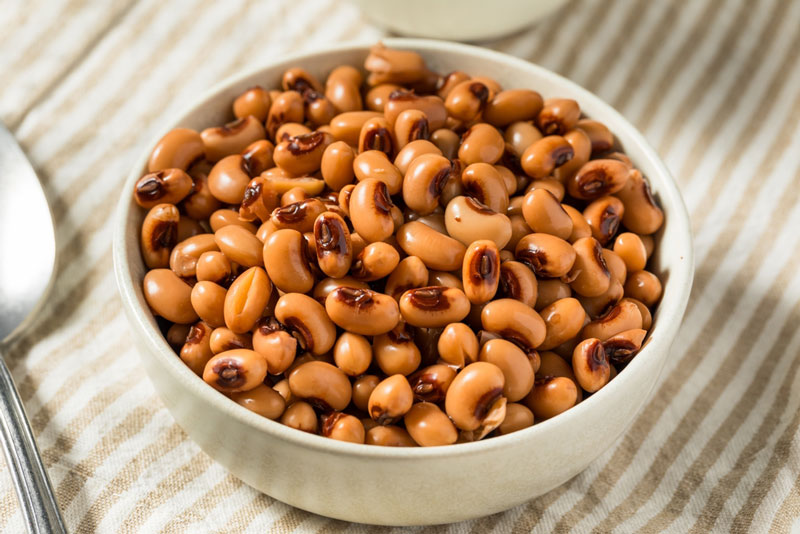
Let’s dive deeper into this intriguing topic about black-eyed peas. First off, we should clarify what black-eyed peas are. They’re technically not peas at all but beans! These tasty beans are a great source of protein and are rich in fiber. They have a unique flavor that can add some variety to a dog’s diet. Now, you may find yourself wondering why it’s important to know if our dogs can munch on these little delights.
Being responsible pet parents means looking after our furry friends’ health and well-being. So, do remember that sporadically giving them a small amount of black-eyed peas can be an excellent treat. They provide essential nutrients that help keep our dogs strong and healthy. But there’s a catch! Just because they can eat them, doesn’t mean every dog will automatically enjoy them. Some dogs might turn their noses up at them, while others could go for a crazy munch-fest! It’s always a good idea to introduce a new food slowly into their diet to see how they react.
We also want to keep their overall diet balanced, so remember that treats, including black-eyed peas, should only make up a small portion of their meals. It’s fantastic to know that they can eat such a nutritious food, but moderation is key! Introduce small quantities and watch how your dog reacts.
How Much Black Eyed Peas Can Dogs Eat?
Now that we know that black-eyed peas are safe for our dogs, let’s talk about how much they should eat. Feeding your pup the right amount of any food is incredibly important. Just like us, dogs thrive on balance and can sometimes overindulge if we’re not careful. Black-eyed peas should not replace their regular dog food but rather act as a tasty supplement.
When introducing black-eyed peas into your dog’s diet, start small. A tablespoon or two could be the right amount for a medium-sized dog. Always consider your dog’s size and dietary needs. Smaller dogs might do well with about a teaspoon or two, while larger dogs can sometimes handle a bit more. Remember, every dog is unique!
If you notice your dog has trouble digesting the peas or develops an upset stomach, it’s best to scale back the amounts or eliminate them altogether. Giving too many black-eyed peas at once can lead to some uncomfortable gas situations, and trust me, neither you nor your dog want that! By starting with a modest amount, you can monitor how your furry friend reacts before making any adjustments.
Keep in mind, black-eyed peas should be cooked! Feeding your dog raw peas can lead to digestion issues, so be sure to cook them until they’re soft and easy to digest. And as we mentioned before, always consult your veterinarian when adding new foods to your dog’s diet. Your vet knows your pup’s specific dietary needs and can guide you in the right direction.
Benefits Of Black Eyed Peas To Dogs
Now that we have the basics covered, let’s talk about the sweet perks of black-eyed peas for our canine companions! These delicious legumes are not only safe for dogs; they’re downright nutritious! First and foremost, black-eyed peas are packed with protein, which is essential for dogs just like it is for us. Protein helps build muscles, repair tissues, and keeps your dog feeling energized and healthy.
Despite their small size, black-eyed peas have a great amount of fiber. Fiber is crucial for maintaining a healthy digestive system, and we all know how important that is for our four-legged friends. A little fiber can help prevent constipation and keep their tummy happy. It can also make them feel satisfied longer, which could help with portion control for those dogs that are watch dogs in disguise!
These beans are rich in vitamins and minerals too! They contain vitamins like A, C, and several of the B vitamins. These vitamins play essential roles in overall health and well-being. Vitamin A promotes good vision, vitamin C boosts the immune system, and B vitamins are great for maintaining energy levels. Black-eyed peas also provide minerals like iron and potassium, which support various bodily functions ranging from kidney health to muscle function.
Another fantastic bonus is that black-eyed peas are low in fat. For aging dogs or those that need to maintain a healthy weight, including these beans in moderation can be a great way to add variety to their meals without worrying about excess calories. Spicing up their diet every once in a while keeps mealtime fun!
Dangers Of Black Eyed Peas To Dogs
While black-eyed peas have some pretty great benefits, we must make sure to look out for any potential risks, too. As beneficial as these beans can be, they come with some caveats! One of the biggest concerns is preparation. It’s super important that we cook black-eyed peas properly before offering them to our loving pets. Raw peas aren’t the best choice, as they can be harder to digest and may upset your dog’s tummy. Always make sure to cook them thoroughly to make them easier on your pup’s digestive system.
Another thing to keep in mind is that while black-eyed peas can be a delicious addition to your dog’s diet, they should only be served in moderation. Too many can lead to digestive upset, causing gas or bloating. And trust me, no one likes a gassy pup! If you notice any unusual symptoms after introducing any new food, including black-eyed peas, it’s wise to consult your vet.
Moreover, each dog is unique, with its own set of food sensitivities or allergies. Always be cautious when introducing new foods. Some dogs may have a negative reaction even to foods that are typically safe. Generally speaking, if you have any concerns or specific questions about your dog’s health, your veterinarian can help guide you and alleviate any worries.
Finally, be mindful that dogs with certain medical conditions, like pancreatitis or irritable bowel, might not react well to legumes like black-eyed peas. If your pup belongs to this group, stick to their prescribed diet and seek guidance from your vet.
Substitute Of Black Eyed Peas For Dogs
If you’ve read all the benefits and risks and have decided that black-eyed peas may not be the best fit for your furry friend, or if your pup just turns their nose up at them, don’t fret! There are plenty of alternatives out there that could provide similar benefits. In the vast garden of legumes, you can find some that dogs generally love. Let’s explore some tasty substitutes!
One popular option is green beans. They are low in calories and loaded with vitamins and minerals, similar to black-eyed peas. Green beans are a great option for giving your dog that crunch they sometimes crave. These beans are soft and easy to digest when cooked, making them a fantastic treat on their own or mixed with regular dog food.
Another option is lentils! Like black-eyed peas, lentils are rich in protein and fiber. They can be easier to prepare since they cook in a relatively short amount of time. Lentils offer a great way to sneak some healthy goodness into your dog’s meals. Be sure to cook them properly and serve them in moderation just like you would do for black-eyed peas!
Chickpeas, or garbanzo beans, are also a popular alternative! They pack a serious punch of protein and fiber and are often used in many dog-friendly recipes. Given in small amounts, these legumes can provide a nutritious and enjoyable addition to your pup’s diet. Don’t forget to cook them well, too!
Lastly, one cannot forget about sweet potatoes! While not a legume, sweet potatoes make a great substitute packed with vitamins like A and C. They’re a great option if your pup is sensitive to beans or legumes. They can be mashed, cubed, or even made into tasty dog treats.
Can Dogs Eat Black Eyed Peas? Frequently Asked Questions
Are Black-Eyed Peas Bad For Dogs?
Nope! Black-eyed peas are not bad for dogs when prepared and served correctly. Always keep them cooked, serve in moderation, and watch for any signs of discomfort in your pup.
Can Puppies Eat Black-Eyed Peas?
Yes, puppies can eat black-eyed peas too! However, it’s crucial to introduce any new food to a young pup slowly and carefully to ensure they can handle it well.
How Should I Prepare Black-Eyed Peas For My Dog?
The best way to prepare black-eyed peas for your dog is by cooking them thoroughly. You can boil or steam them until they’re soft, making sure to avoid seasoning or any additives. Just keep it simple!
Can I Give My Dog Canned Black-Eyed Peas?
Canned black-eyed peas can be given to dogs but avoid ones that contain added salt or other potentially harmful ingredients! Always rinse them thoroughly to remove excess sodium if you go for canned options.
What Should I Do If My Dog Has A Negative Reaction?
If your dog experiences any negative reactions such as vomiting, diarrhea, or appears uncomfortable after eating black-eyed peas, stop giving them and consult your vet to rule out any underlying issues.
Final Thoughts
In conclusion, black-eyed peas can be a hearty, nutritious treat for our dogs, as long as we offer them in moderation and with the right preparations. It’s all about keeping things balanced. Remember, each pup is unique and what works for one may not work for another. So take your time, pay attention to how your dog reacts, and don’t hesitate to reach out to a veterinarian when you’re unsure.
If you’re curious about other foods that could be safe for your furry friends, check out foods that pets can eat. Happy feeding!