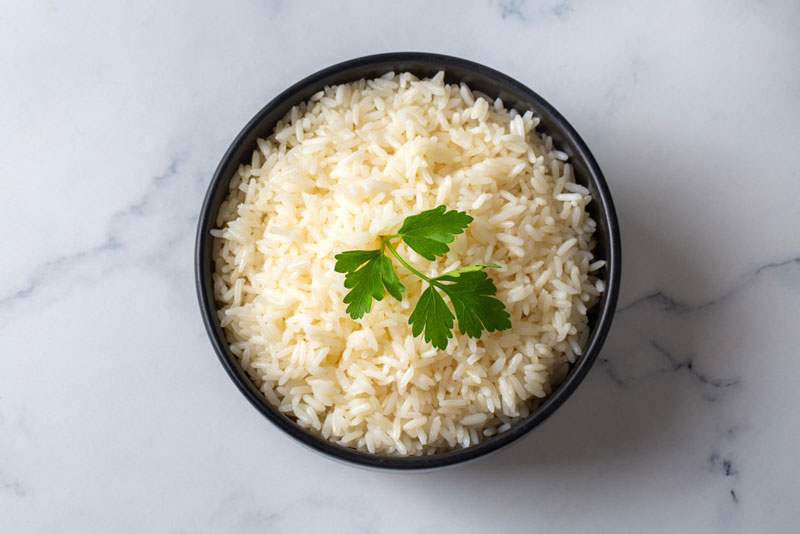
Welcome to our fun and friendly pet-loving corner! If you’ve ever eyed those fluffy, adorable puppy eyes and wondered if they could have a taste of something you love, you’re not alone. Our furry friends deserve the best, and many owners ask themselves the same question—can dogs eat basmati rice? The answer is yes, they can! That’s right, basmati rice can be a safe addition to our dogs’ meals in moderation. Just like us, dogs can enjoy certain grains, and basmati rice is a fluffy, aromatic option that many humans love.
Basmati rice is not only tasty but also easy for dogs to digest. It can be a great source of energy, just like it fuels us for a busy day ahead. Don’t worry, though; it’s not all about rice! There’s so much more to discuss when it comes to your dog’s diet and how to integrate new foods safely. So let’s keep reading! We have plenty of pawstively helpful tips, fun facts, and important information about feeding your dog basmati rice the right way.
You might also be interested in: Can Dogs Eat Macaroni And Cheese?
Can Dogs Eat Basmati Rice?

When it comes to our canine companions, it’s crucial to understand what foods are safe for them to eat and which ones should be kept far away. We’ve all heard that dogs can have some human foods, but the list is shorter than we might think. Basmati rice is one of the grains that stand out among the rest. Canines can enjoy it without any incidents in moderation.
But wait! Before we simply toss a bowl of basmati rice to our four-legged friends, we should consider a few things. For starters, it’s always a good idea to check with your veterinarian to make sure rice is appropriate for your specific dog. Every dog is unique, and their nutritional needs can vary due to age, health, and activity level.
In general, for dogs with digestive issues, plain basmati rice can be a soothing addition to their meals. It can act as a binding agent, helping dogs who might be experiencing diarrhea or upset stomachs. However, if your pup has certain health problems, like diabetes, too much rice can drive up their sugar levels. So pay attention to your furry buddy’s health when you introduce any new food.
When preparing basmati rice for dogs, it’s best to keep it plain—no scary additives or sauces! We want to keep it simple and safe for our furry friends. Cook the rice just as you normally would for yourself, and then serve a small portion to your pup. Always remember that moderation is key; rice can be more of a treat or side dish rather than the main course.
Now that we’ve cleared the air about our canine pals and their basmati rice options, let’s explore more about how much rice you can offer, the benefits it brings, potential dangers, like any sneaky gastrointestinal issues, and some tasty alternatives if rice doesn’t suit your pup. Buckle up and let’s dig in!
How Much Basmati Rice Can Dogs Eat?
As loving pet owners, we naturally want to provide our pups with the best care, especially concerning their diet. So let’s chat about how much basmati rice is appropriate for our dogs! Serving size matters, and while basmati rice is generally fine, we don’t want to turn our furballs into rice-padded cushions, do we?
First things first, always start small! It’s essential to introduce new foods gradually. If you’re giving your dog basmati rice for the first time, start with a tablespoon-sized serving and see how they react to it. This approach allows you to monitor if they enjoy the taste while also making sure there are no adverse effects on their stomachs.
A general guideline is to give about 10% of your dog’s daily caloric intake from treats and non-dog food sources like rice. To break this down a little further, let’s say your dog needs about 600 calories a day: 10% of that would be 60 calories. Just keep in mind, that basmati rice has 130 calories per cooked cup. This means you can offer smaller portions to stay within that treat limit. A couple of tablespoons can fill that treat gap without going overboard.
Each dog’s size can significantly play a role in determining the ideal amount of basmati rice to provide. Larger breeds may tolerate more rice compared to our tiny pups. For example, if you’re sharing your rice with a Great Dane, half a cup or so may be fine. But for Chihuahua companions, a tablespoon or two is more than sufficient.
Additionally, as we unearth more about your dog’s specific health needs, adjust accordingly! If they are active, they’re likely to need a bit more energy, but if they tend to be more stationary or overweight, less rice would be wise. Always prioritize their health at every mealtime!
Keep in mind that while basmati rice is safe, it should not become the primary part of your dog’s diet. Think of it more as a fun side dish than the main event! The best dog diets are made up of balanced nutrition. So let’s keep those rice portions in moderation and not lose sight of the importance of high-quality dog food.
Overall, while basmati rice can be a fun and nutritious addition to your dog’s diet, moderation is the key. Always be attentive to your dog’s reactions and consult your friendly vet if you have any questions on portion sizes or compatibility with their individual dietary needs. We want to ensure happy tummies for our furry friends!
Benefits Of Basmati Rice To Dogs
What’s life without the occasional treat, right? Basmati rice is a delicious and comforting food for us humans, but it can also bring beneficial aspects to our dogs! Are you ready to uncover the advantages of adding some fluffy rice to your pet’s diet?
To begin with, one of the standout benefits of basmati rice is its digestibility. Dogs, like our pets, can sometimes have sensitive stomachs, and basmati can be easier on their tummies than other grains. The gentle nature of this rice makes it a go-to for pups experiencing digestive distress. It helps ease symptoms of diarrhea or an upset stomach without irritating their digestive tract. Think of it like a warm hug for their insides!
Moreover, basmati rice is an energy booster! With all that energy to burn during zoomies and playtime, our pups can always use a nice source of carbohydrates. This rice provides an excellent boost, filling their energy tank while preventing them from becoming overly loaded with fatty ingredients from other foods.
Another aspect is its low allergenic potential. If your furry friend usually struggles with food allergies, basmati rice is less likely to trigger any reactions compared to various other grains. By offering this alternative, you can explore giving them a little variety while also keeping their allergies in check.
Basmati rice is also rich in essential vitamins and minerals, supporting your pup’s overall health and wellbeing. It contains crucial B vitamins, which assist in energy production and can help with a healthy coat. The minerals present, such as magnesium and iron, keep your dog’s bones strong and functional.
Imagine the joy of watching your dog’s tail wag excitedly at mealtime! We can make it happen by giving them a mix of nutrients and flavors, and basmati rice can be the perfect sidekick to their regular meals. Mixing up their food with a spoonful of rice can create a delightful dining experience.
Lastly, using basmati rice can help dogs with specific dietary restrictions. Suppose your dog needs a low-fat diet or has health conditions requiring softer foods. In that case, basmati rice fits right in, providing them with necessary nutrients without compromising their health.
From digestion to energy to allergies, the benefits of basmati rice in your dog’s diet are numerous and paw-sitive! Just remember, balanced nutrition remains vital in maintaining your dog’s health—basmati rice can be part of that balance. By combining this with high-quality dog food and potentially other appropriate ingredients, we can create a well-rounded diet for our furry pals!
Dangers Of Basmati Rice To Dogs
While basmati rice can provide a delightful plethora of benefits for our furry companions, it’s super important to stay alert about potential risks and dangers involved. We love our dogs dearly and want to ensure their meals make them wag their tails—not send them running for the doggy emergency room!
First and foremost, the biggest risk when sharing basmati rice is the possibility of overindulgence. Sure, it’s tempting to give our dogs a heaping dish of delicious rice if we think they enjoy it. However, too much rice can lead to obesity over time. Excess calories can put them at risk of health issues, such as diabetes and joint problems that put a damper on their playtime fun.
Another concern is that some dogs can develop a carbohydrate intolerance, especially if they are primarily fed dog food rich in protein. If you notice any bloating or tummy discomfort after giving your dog basmati rice, it’s best to ease off and consult with your vet. Each dog is unique, and their digestive systems can react differently to certain foods.
Allergies are another threat lurking in the rice bowl! Even though basmati rice is generally low in allergens, some dogs can still exhibit food allergies or intolerances, leading to skin irritations or gastrointestinal issues. If your dog shows negative signs after eating rice, stop offering it immediately. Watching for adverse reactions is key before incorporating new foods into their regular diet.
Let’s not forget the importance of how we prepare the basmati rice. Remember to cook the rice without any added spices, oils, or sauces. Ingredients like garlic and onion are harmful to dogs, causing gastrointestinal issues and even more severe health problems. Always ensure your rice is plain, fluffy, and friendly before serving it up. Our love for our pets means being careful in the kitchen!
Lastly, be cautious with the portion size. Just because basmati rice can be a part of your dog’s diet doesn’t mean it should represent the entire meal. This is where balance comes into play! Stick to small amounts and allow it to complement other essential nutrients, such as lean protein and vegetables.
While basmati rice can easily be integrated into our furry friends’ meals, awareness of potential risks is essential. By staying informed, we can make wiser decisions about what to feed our beloved pups, ensuring they stay healthy and happy!
Substitute Of Basmati Rice For Dogs
If basmati rice isn’t a good fit for your pup, don’t fret! There are plenty of other alternatives that can help add variety and nutrition to your dog’s diet. In our quest to be great pet parents, let’s explore some excellent substitutes for basmati rice that could leave your furry buddy perking up in excitement!
First up on our list is plain white rice, the classic cousin of basmati! Much like its fancy counterpart, this rice is generally safe for dogs and can be easier for sensitive tummies. It’s a great option for any dog that might not accept the texture or flavor of basmati. Cooking it the same way allows us to swap it seamlessly into their diet.
Then, we have brown rice! This whole grain version of rice packs in some nutritional benefits, including increased fiber, which aids in digestion. If your dog is okay with hauling in extra fiber, brown rice can be an excellent addition to their diet. Just be cautious with serving sizes, as too much fiber can create upset stomachs in some pups.
Next, we can look at quinoa, an ancient grain that has been gaining traction due to its nutritional value. It’s packed with protein and essential amino acids—great for those dogs that might need a little extra energy. Quinoa can be a fantastic substitute for basmati rice, provided there are no allergic reactions.
Another good option is sweet potatoes! High in fiber, vitamins, and antioxidants, sweet potatoes can serve as a healthier carb alternative for our pups. Just like rice, they can be mashed, diced, or baked, allowing for plenty of creativity in presentation! And who doesn’t love a little color on their dinner plate?
We can also consider oats, an often-overlooked alternative. Oats can be soft when cooked and offer fiber and other nutrients that benefit digestion. Letting your dog taste a warm bowl of oatmeal can be an exciting treat!
And there you have it! We’ve covered some fantastic substitutes for basmati rice that will excite our furry friends and keep their meals interesting! Most importantly, just as with basmati, any new food should be introduced gradually to prevent tummy troubles. Consulting your vet before trying new ingredients is always a smart move to keep our pups’ diets balanced and healthy.
Can Dogs Eat Basmati Rice? Frequently Asked Questions
Is Basmati Rice Better Than Other Types Of Rice For Dogs?
Basmati rice is often considered better than other rice types because of its digestibility and lower allergenic profile. However, individual dogs may have varying reactions, so it’s best to monitor them and ask your vet if it’s suitable for them.
Can I Give My Dog Leftover Basmati Rice From My Meal?
Yes, but ensure it doesn’t have any harmful seasonings or additives. Always serve it plain and in moderation. It may be best to prepare a fresh batch without any spices!
What If My Dog Refuses To Eat Basmati Rice?
No worries, every dog has its preferences! If your pup isn’t interested in basmati rice, try one of the mentioned substitutes or other dog-friendly foods. After all, variety is the spice of life!
How Often Can I Give My Dog Basmati Rice?
As a rule of thumb, it’s wise to keep it a treat or addition rather than a staple. A couple of times per week should be fine, but monitor your dog for any reactions or changes in their tummy.
Can I Feed My Puppy Basmati Rice?
It’s best to avoid giving rice to puppies unless advised by your vet. Their digestive systems are still developing, so it’s essential to focus on their specific nutritional needs during this time.
Final Thoughts
As a fun add-on to our dogs’ diets, basmati rice can be quite beneficial when served carefully and in moderation. It’s crucial to always consider our furry friends’ individual needs and uncover what suits their taste buds best! From energy boosters to potential allergy concerns, awareness of what goes into our puppies’ food is vital to their health and happiness.
Ultimately, while we can enjoy shared meal experiences with our pets, balancing ingredients remains key to happy and healthy meals. So let’s keep canines wagging and tails wagging as they enjoy safe, nutritious meals!
If you’re on the lookout for more ways to keep your pups entertained and informed, don’t hesitate to check out some of our other topics on human foods dogs can enjoy, like shrimp or sushi, or perhaps you’d like to jump into some cat food fun and discover what human foods cats can eat. Happy feeding, and may our pet’s tails always wag with joy!