We know how much our furry friends mean to us, and sometimes we can’t help but think about sharing our snacks with them. One popular question that arises is whether dogs can eat apple sauce. Apple sauce is a smooth and delicious treat enjoyed by many humans, but is it safe for our dogs? In this article, we will explore the ins and outs of feeding apple sauce to dogs, including the potential benefits and risks involved. We promise to keep it light and engaging, so grab a snack (maybe not apple sauce) and let’s wag our tails into the topic!
Now, can dogs eat apple sauce? The short answer is a resounding yes! Apple sauce can be a delightful treat for our canine companions. It’s made from apples, which are indeed safe for dogs to consume in moderation. However, we should always keep a few things in mind regarding ingredients and portion sizes before we go dolloping it into their bowls. Our pals at the vet clinic often hear questions about this tasty delight, so we are excited to share what we’ve learned!
So, keep reading to find out more about apple sauce, including how much to give, its benefits, risks, and some fantastic substitutes you can try. Your pup will be barking with joy as we explore more about this fruity option!
You might also be interested in: Can Dogs Eat Jelly?
Can Dogs Eat Apple Sauce?

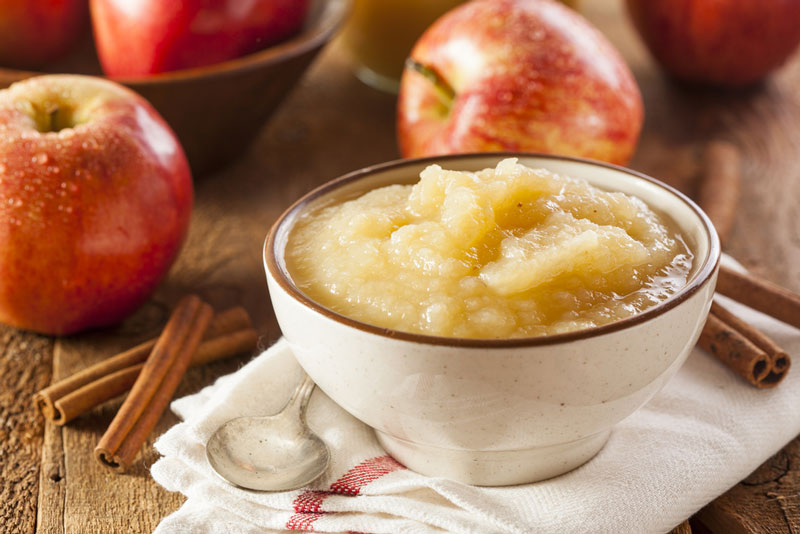
Dogs can indeed eat apple sauce! In fact, this delightful treat can be a great addition to their diet when served in moderation. As we mentioned earlier, it is primarily made from apples, which are healthy for dogs, packed with vitamins A and C, and offer a good amount of fiber. Apple sauce is typically made by cooking down apples until they’re soft and then blending them into a smooth texture. When you give this tasty treat to your dog, you’re not just being a great pet parent; you’re also providing them with some added nutrients.
However, it’s vital to pay attention to the ingredients of the apple sauce you choose. Many store-bought varieties can contain added sugars, artificial flavors, and preservatives that could upset your dog’s stomach or lead to other health problems if consumed regularly. Look for an organic or natural brand with no added sugar or spices. We know you want the very best for your four-legged friend, so don’t hesitate to check the labels carefully!
It’s also important to remember that while apple sauce has potential benefits, it should never replace your dog’s regular meals. Rather, think of it as an occasional treat that can be given as a reward for good behavior or simply to share a moment of joy. You can also add a spoonful of apple sauce to their dog food to enhance the flavor and introduce some variety into their diet.
How Much Apple Sauce Can Dogs Eat?
As loving pet owners, we want to make sure we provide the right amount of apple sauce when treating our furry pals. But how much is too much? In general, moderation is key. A spoonful or two of apple sauce is typically sufficient for small to medium-sized dogs. Larger dogs can have a bit more, but it’s crucial to keep portion sizes in check. Too much apple sauce can lead to an upset stomach or diarrhea because of high sugar content and fiber.
If you’re introducing apple sauce to your dog’s diet for the first time, start with a small amount, and monitor how they react. Every dog is different, so some may handle it better than others. If your dog shows any signs of discomfort or gastrointestinal issues, it’s best to stop feeding them apple sauce and consult your veterinarian for further advice.
We also want to note that apple sauce can be a richer treat for pups who may not be used to eating sweet foods. So be mindful of their regular diet as well. If they already consume fruits and vegetables in their meals, you may want to consider that when including apple sauce as a treat.
Ultimately, we want our dogs to be happy and healthy. Pay attention to their individual needs, and don’t hesitate to ask your veterinarian for personalized advice about how much apple sauce is appropriate for your specific dog. After all, we are all about keeping our pets happy, safe, and healthy!
Benefits Of Apple Sauce To Dogs
Feeding our dogs apple sauce can come with several benefits, some of which are truly beneficial for their overall health and wellbeing. We all know that the love between us and our pets can be shown through delightful treats. So, let’s look into some of the advantages of providing apple sauce to our furry friends!
The most obvious benefit of apple sauce is its nutritious content. Apples are high in essential vitamins like vitamin A and C, both of which can support our dog’s immune system. Vitamin A can contribute to good eyesight and skin health, while vitamin C plays a role in overall cellular health. Plus, the fiber in apples can aid in digestion, promoting regular bowel movements and improving gut health.
Another benefit to consider is that apple sauce is low in calories, making it a healthier option compared to many store-bought treats. As much as we love to spoil our dogs with treats, we also want to ensure they maintain a healthy weight. Treats can pile on the calories if we aren’t cautious, so apple sauce can be a delightful low-calorie alternative.
Lastly, introducing varied flavors and textures into our dog’s diet can help prevent boredom. Dogs can get tired of eating the same kibble every day, just like we sometimes need a change in our meals! Adding a spoonful of apple sauce can provide a burst of flavor and excitement to their regular food. Moreover, it can encourage picky eaters to engage more with their meals!
Dangers Of Apple Sauce To Dogs
Of course, as much as we love apple sauce for our dogs, we also need to be aware of the potential risks and dangers. After all, we want to treat our pets but also keep them safe and healthy! One of the most prominent risks is the sugar content present in most commercially produced apple sauces. Some brands use added sugars to enhance the sweetness, which can lead to weight gain or diabetes in dogs if given in excess.
Another concern is the presence of certain additives and preservatives in store-bought apple sauces. These chemicals can upset a dog’s tummy, leading to nausea, vomiting, or diarrhea. It’s vital, therefore, to read labels and choose a natural, sugar-free version whenever possible. We wouldn’t want to serve our dogs something that isn’t good for them!
We should also keep in mind that some dogs have food sensitivities or allergies. Every dog is unique, and while apple sauce seems like a safe treat, some pups may have adverse reactions to apples or certain ingredients in apple sauce. Monitor your dog’s behavior after giving them apple sauce for the first time, and watch out for signs of allergies, like itching, swelling, or gastrointestinal upset.
As we love our furry friends, then safety must come first. If your dog has any pre-existing health conditions, it’s always a great idea to consult with your veterinarian before adding new foods like apple sauce into their diet. That way, you can enjoy wholesome treats without worries!
Substitute Of Apple Sauce For Dogs
If you find that apple sauce doesn’t agree with your pup, or if you just want to switch things up, there are plenty of delicious substitutes we can try! The world of dog-friendly human foods is vast, and there are many fruits and vegetables that are safe and nutritious for dogs. So, let’s explore some appealing options!
Plain mashed bananas can be an excellent substitute for apple sauce. Bananas are easy to digest and contain essential nutrients, including potassium and vitamin C. They also have a naturally sweet taste that most dogs absolutely love! Just like with apple sauce, it’s best to serve banana in moderation to avoid potential tummy troubles.
Another alternative is pureed pumpkin. Pumpkin is often hailed as a miracle food for dogs due to its high fiber content and low-calorie count, which makes it a great treat or supplement for dog diets. Just make sure to choose plain canned pumpkin without added sugars or spices. It can help with digestive issues like diarrhea or constipation, making it a nice addition to our pet’s meals.
Lastly, frozen pureed blueberries or strawberries can become a fantastic treat during warm weather! They not only provide essential vitamins but also offer a refreshing and delightful way to cool down. Dogs adore these fruity delights, whether served fresh or frozen, and it can be an irresistible snack when the sun is shining!
Can Dogs Eat Apple Sauce? Frequently Asked Questions
Can All Dogs Eat Apple Sauce?
While most dogs can eat apple sauce, it’s essential to consider their individual dietary needs and health conditions. Always consult your veterinarian before introducing new foods.
Is Homemade Apple Sauce Better Than Store-Bought?
Yes! Homemade apple sauce allows you to control the ingredients and avoid added sugars and preservatives. It ensures a fresher and more wholesome treat for your dog!
How Do I Introduce Apple Sauce To My Dog’s Diet?
Start with a small spoonful and observe how your dog reacts. If all goes well, you can gradually increase the amount to a couple of tablespoons, depending on your dog’s size.
Can Dogs Eat Apple Sauce Every Day?
It’s best as an occasional treat rather than a daily staple. Too much apple sauce can upset your dog’s stomach, so maintaining moderation is key!
What If My Dog Has A Reaction To Apple Sauce?
If your dog experiences any adverse reaction after consuming apple sauce, stop feeding it to them immediately and consult your veterinarian for guidance.
Final Thoughts
Our furry companions enrich our lives in countless ways, and treating them to special snacks can be a beautiful part of that bond. While apple sauce can be a delightful and nutritious option for our dogs, we must approach it with caution and care. Always opt for natural varieties, keep portion sizes moderate, and pay attention to any potential risks. By doing so, we can enjoy the joy of sharing delicious treats with our four-legged friends without worry or concern!
If you’re interested in other wholesome treats for your pets, be sure to check out some additional information on foods for cats! Happy snacking!