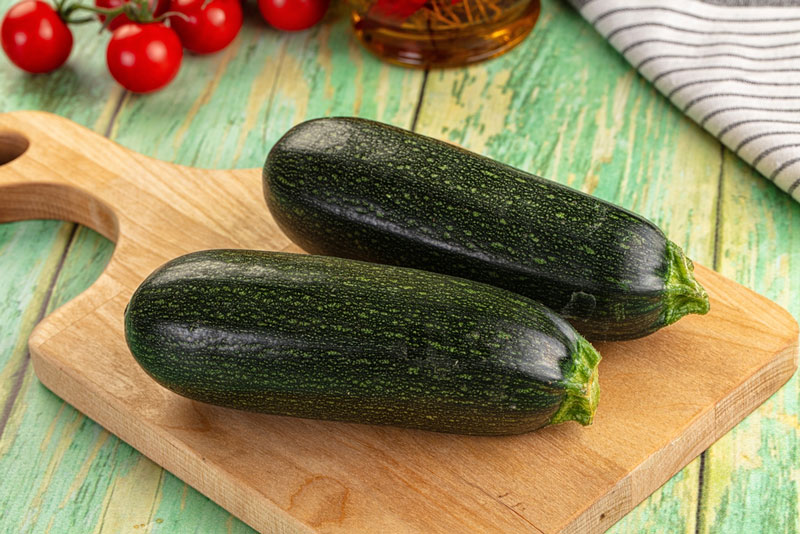
Have you ever wondered if cats can eat zucchini? Well, you’re not alone! Many pet owners are curious about what they can safely feed their furry friends. The good news is that yes, cats can eat zucchini! It is a safe vegetable that offers some nutritional benefits when given in moderation.
Just like us, our feline friends can benefit from a little variety in their diets. Zucchini is a vegetable that is low in calories and provides a crunchy texture that some cats find interesting. However, it’s important to remember that while zucchini is safe for cats, it should never replace their primary diet of high-quality cat food.
Keep reading as we uncover everything you need to know about feeding zucchini to your cat—its benefits, risks, and how to introduce it into their diet responsibly. Your cat will thank you for this new tasty adventure!
You might also be interested in: Can Cats Eat Radishes?
Can Cats Eat Zucchini?

When we think about what our cats eat, it’s important to remember that they are obligate carnivores. This means that their primary diet needs to be meat-based. Cats don’t typically require fruits or vegetables to thrive; however, they can enjoy some fresh produce now and then as a treat. Zucchini is one of those vegetables! It is non-toxic and provides hydration, fiber, and some essential nutrients.
Before giving zucchini to our cats, let’s consider how to prepare it. We should wash it thoroughly, and depending on our cats’ preferences, we can serve it raw or lightly cooked. Steaming or boiling it without any seasoning can help soften the vegetable while retaining its nutrients. Just make sure we cut it into small bites to prevent choking hazards! Our feline friends might turn their noses up at it initially, but with a little patience and encouragement, they might just find it delicious!
How Much Zucchini Can Cats Eat?
When we decide to share zucchini with our cats, moderation is key! It’s best to introduce any new food gently and in small amounts. A few small pieces of zucchini once or twice a week is generally a good starting place. It’s wise to watch for any unusual reactions, such as stomach upset or changes in appetite. If all goes well, we can continue to include zucchini occasionally in their diet.
Our aim should be to enhance our cat’s diet with treats like zucchini while ensuring they still receive their essential nutrients from their regular cat food. Overdoing it might lead to digestive issues, so it’s a balance we need to manage. Always remember to consult with our veterinarian if we’re unsure about how our pets will react to any new foods. After all, our furry friends rely on us to keep them healthy!
Curiosity may lead some cats to nibble on zucchini from our plate or on their own, but treating this vegetable as an occasional reward helps maintain a healthy feeding routine. Each cat is unique, so they might have their own preferences regarding taste and texture. Paying attention to their likes will help make mealtime even more exciting!
Feeling adventurous? We could try presenting zucchini in different ways: raw, cooked, grated, or pureed. Some cats may prefer it one way over another. We can get a little creative with it and see what our four-legged friends enjoy most!
Benefits Of Zucchini To Cats
1. Low in Calories: Zucchini is low in calories, making it an excellent occasional treat for cats that may need to maintain a healthy weight. By providing zucchini instead of high-calorie snacks, we’re helping our cats enjoy something new without the extra pounds!
2. Source of Hydration: This vegetable is a good source of hydration since it contains a high amount of water. Keeping our cats hydrated is essential, particularly if they tend to eat dry kibble. A few pieces of zucchini can contribute to their overall hydration levels, especially during hot summer months!
3. Rich in Fiber: Zucchini is rich in fiber that aids digestion. A little fiber can help cats avoid stomach issues and maintain regular bowel movements. If our feline friends are experiencing occasional constipation, a small amount of zucchini could assist in getting things back on track!
4. Vitamins A and C: It contains vitamins A and C, both of which can contribute to a healthy immune system. A robust immune system is crucial in keeping our cats active and joyful, helping them fend off illnesses as they age. Every little bit helps!
5. Mentally Stimulation: Introducing occasional veggies like zucchini can help keep our cats mentally stimulated. Trying new foods can be a fun experience for them and may even encourage them to be more adventurous in exploring their meals. Keeping our cats happy and engaged is our goal after all!
Dangers Of Feeding Zucchini To Cats
While zucchini is generally safe for our feline friends, we should keep a few things in mind to ensure their safety. It’s always better to proceed with care. Some cats may be sensitive to new foods, which could lead to mild digestive upset. Symptoms like vomiting or diarrhea may occur after consuming zucchini for the first time. If we notice any problems, it’s worth giving our veterinarian a call to discuss if the zucchini should be removed from their diet.
It’s also vital to prepare zucchini properly before giving it to our cats. If we decide to cook it, let’s avoid any seasonings, oils, or additives, as these can be harmful to our pets. Plain zucchini is always the best option for our furry friends! We must also watch out for large pieces since they might cause choking. Always remember to cut the vegetable into manageable bites.
Another point to consider is that not all cats will immediately warm up to zucchini. Their dietary preferences are shaped by instinct and familiarity. If our cats show disinterest or aversion to the veggie, we shouldn’t force it on them. We know our pets best and should respect their likes and dislikes. There’s a whole world of tasty treats out there, and we can explore other options if zucchini isn’t their thing!
When trying any new foods, including zucchini, we need to stay in tune with our cats’ reactions. Each kitty has their own personality and palate. If any questions pop into our minds about what’s safe, our veterinarian is an excellent resource. After all, keeping our beloved fur babies healthy and happy is always our top priority!
Substitute Of Zucchini For Cats
1. Broccoli: If our cats do not enjoy zucchini, broccoli can be a great alternative. It’s high in vitamins and calcium and can provide health benefits similar to those of zucchini.
2. Carrots: These are also a decent choice for felines. They contain important nutrients and can be served raw or cooked. They can provide a delightful crunch for our cats!
3. Green Beans: These are fun for our felines, too! They are low in calories and can help some cats feel full without overindulging, making them another excellent option.
4. Sweet Potatoes: These are another nutritious alternative! They are rich in vitamins and can be cooked and mashed for added flavor.
5. Pumpkin: Last but not least, pumpkin is often a favorite among cats. It’s a great source of fiber and can aid digestion, similar to zucchini. We can offer canned pumpkin (not the spiced kind) as a delightful treat!
Can Cats Eat Zucchini? Frequently Asked Questions
Is Zucchini Harmful To Cats?
No, zucchini is not harmful to cats and can be fed to them in moderation.
How Should I Prepare Zucchini For My Cat?
You can wash it well and serve it raw or cook it without seasoning before cutting it into small pieces.
Can I Feed Zucchini To My Kitten?
It’s best to wait until your kitten is older before introducing vegetables. Once they are accustomed to solid food, you can offer small amounts of zucchini.
What Should I Do If My Cat Shows Signs Of An Upset Stomach After Eating Zucchini?
If your cat shows symptoms like vomiting or diarrhea after eating zucchini, it’s best to consult your veterinarian.
Can I Offer Zucchini Every Day?
It’s best to keep zucchini as an occasional treat, not a daily staple in your cat’s diet.
Final Thoughts
Feeding our feline companions a little zucchini can be a fun and nutritious way to add variety to their diet. While it’s generally safe, we need to be mindful of portion sizes and how our cats react to new foods. Every cat is unique, so trying different vegetables can help us discover what they enjoy most!
If you’re curious about other pet food options, consider checking out articles like can cats eat green beans? to expand your knowledge about your beloved furry friends.