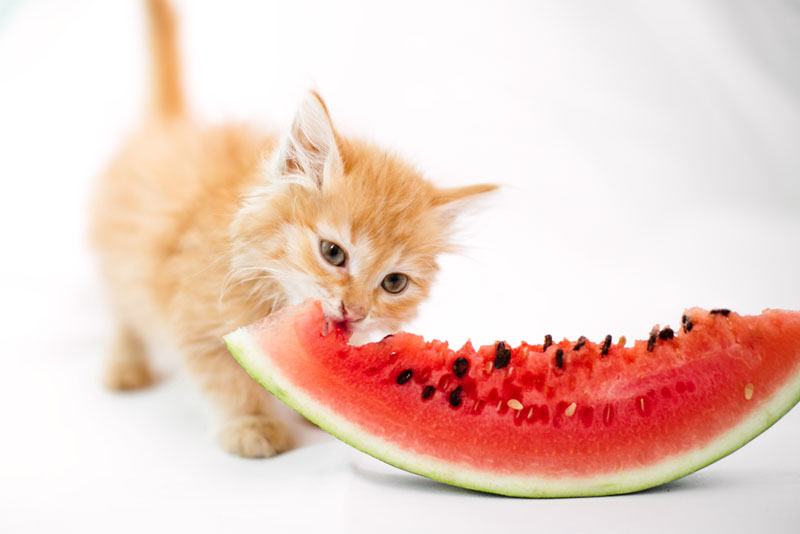
Have you ever wondered if your furry friend could munch on those little black watermelon seeds while enjoying a juicy slice of summer delight? Well, the answer is that cats can eat watermelon seeds, but it’s not as straightforward as it seems! While those tiny seeds might not cause immediate harm, it is important to understand the implications behind letting our cats nibble on these seeds. Let’s unravel this mystery together and explore how we can safely navigate our cats’ culinary adventures.
We all know that cats are curious creatures, and they sometimes get into things we’d rather they didn’t. Watermelon seeds seem harmless, but as pet lovers, we must always be on guard about what’s safe for our feline companions. While cats are generally not as prone to specific food-related dangers as dogs, it still pays to be cautious. We’ll discuss everything from the potential benefits of watermelon seeds for cats to the risks involved, which will help us make informed choices about what we feed our pets.
So stick around as we explore can cats eat watermelon seeds? and learn how we can ensure our furry friends stay healthy while enjoying tasty treats (with or without seeds!). Our cats depend on us to keep them safe, and knowledge is key. Let’s get started!
You might also be interested in: Can Cats Eat Pomegranate Seeds?
Can Cats Eat Watermelon Seeds?
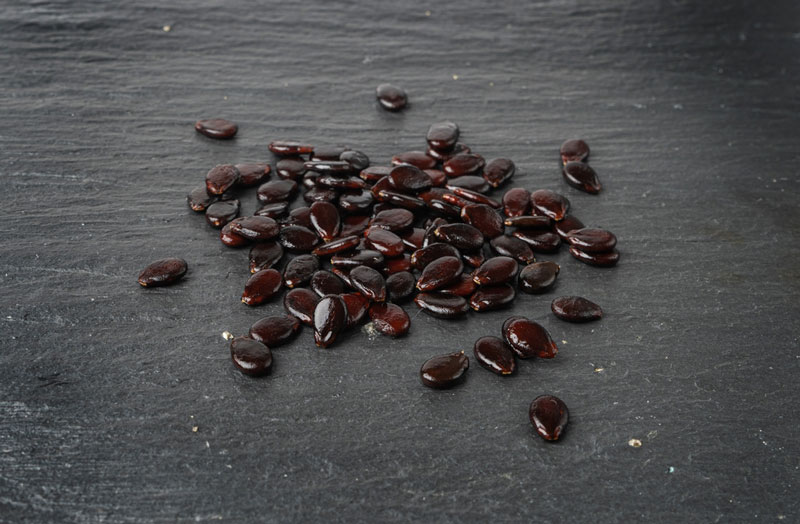
Cats are naturally curious and often seem to think that whatever we are eating is something they need to try too! Watermelon is a fruit that many people love, especially during summer, but can our feline friends enjoy it too? The short answer is yes; cats can eat watermelon seeds without immediate harm, but there is a catch! While watermelon seeds are not toxic to cats, they can pose a few challenges that we should be aware of, and moderation is essential.
The fruit itself is generally safe for cats to nibble on, provided it is offered in moderation. Many cats are more interested in the texture and smell of watermelon rather than its taste. While feeding our cats a piece of watermelon can be a refreshing treat on a hot day, we need to be careful about allowing them to consume the seeds. Watermelon seeds are small, and cats can sometimes swallow them whole. This can lead to digestion issues, especially if they eat them in large quantities. We want to make sure our cats get all the nutrition they need without any digestive hiccups.
How Much Watermelon Seeds Can Cats Eat?
The question of how much watermelon or seeds our cats can eat comes down to understanding their digestive systems. It’s essential to consider what our cats usually consume. Cats are obligate carnivores, meaning that their bodies are designed to thrive on meat. While some fruits, including watermelon, can occasionally add a bit of moisture and vitamins to our cat’s diet, everything should be given in small amounts. When it comes to watermelon seeds, moderation is the name of the game!
While a human might snack on several slices of watermelon, we really don’t want our cats to do the same. A small piece of watermelon flesh without seeds is a great treat for them. If they happen to consume a couple of seeds, it is unlikely to cause major problems, but getting them to eat too many could cause a blockage.
As a rule of thumb, keeping treats like watermelon and seeds to no more than around ten percent of our cat’s daily caloric intake is a good guideline. So that means if we have a 10-pound furball, we want to be cautious about how much watermelon we offer. It’s crucial to keep our feline friends healthy and aware of their typical diets.
If you think your cat has eaten a significant number of seeds or if they are acting differently afterward, it’s always best to consult with our veterinarian to ensure they’re alright.
Benefits Of Watermelon Seeds To Cats
1. Hydration: Watermelon is predominantly water, with up to 92 percent water content. For cats, staying hydrated is vital to their overall health. While they typically get water from their food, especially if they eat wet cat food, supplementing their diet with a bit of fresh watermelon flesh can provide a fun and tasty way to quench their thirst! Watermelon seeds, on the other hand, do not contribute to hydration, but they can still be mixed in moderation if the cat is interested.
2. Vitamins: Watermelon is bursting with antioxidants and vitamins A, B6, and C, which can be beneficial for our cats too! While cats primarily derive their vitamins from animal sources, feeding them small amounts of fruits can provide a few additional health benefits. Vitamins are crucial for maintaining healthy vision, skin, and immune functions in our feline companions.
3. Fiber Content: Watermelon contains fiber, which can help support a cat’s digestive system. Although cats don’t need a ton of fiber in their diets, a little sourced from fruits like watermelon can be a good addition to keep things running smoothly. Just remember that watermelon seeds might not contribute to fiber but could help add variety to their diet.
4. Weight Management: Watermelon is a low-calorie snack compared to many commercial cat treats. If our cats are on a weight management plan, offering them a small piece of watermelon helps reduce their caloric intake while providing a tasty treat. Remember, keeping it to the watermelon flesh portion and keeping seeds to a minimum will help.
5. A Fun Activity: Let’s be real, most of our cats love to investigate and explore! Allowing them to sniff and nibble on small pieces of watermelon can provide mental stimulation and a fun activity during our summers together. Treats can also become bonding moments, creating more enjoyable experiences while we care for our pets.
Dangers Of Feeding Watermelon Seeds To Cats
Just as there are benefits, we also want to consider the risks involved when our cats try new foods, including watermelon seeds. Although they are not toxic, the biggest concern is digestion. Since watermelon seeds are small, they can be swallowed whole, leading to potential blockage within the digestive system. This is something we always want to avoid as it can be serious! If a cat experiences blockage, it can lead to discomfort, vomiting, or even more severe reactions that may require veterinary attention.
Overindulgence is another risk if our cats get too excited about watermelon seeds. If they sense us enjoying something, they might want to take it to the next level and feast even more than we would hope for. If our cat consumes a lot of seeds in a short amount of time, it could cause gastrointestinal issues like diarrhea or constipation.
Lastly, some cats may simply not like the taste or texture of watermelon seeds. We must pay attention to their reactions when trying something new. Just because some cats may enjoy it doesn’t mean every kitty will, and forcing them can create unnecessary stress.
Substitute Of Watermelon Seeds For Cats
1. Other Fruits: Many fruits are cat-friendly and can act as an alternative to watermelon. Apples, blueberries, and strawberries are all excellent choices. These fruits can provide similar benefits without the risk that watermelon seeds may pose. Remember to always remove any seeds or pits before offering them to our cats.
2. Canned Pumpkin: Canned pumpkin (not the spiced pie filling) is another healthful option that many cats enjoy. It’s high in fiber and low in calories, making it a great treat for kitties experiencing digestive issues.
3. Carrots: Carrots are crunchy and sweet, and although some cats may be hesitant to try them, many appreciate them when prepared well. They provide fiber, vitamins, and moisture content (if offered cooked or fresh), making them easier for cats to consume.
4. Peas: Sweet peas are another great cat treat. Packed with vitamins and minerals, they can be a tasty alternative to watermelon. Just ensure they are prepared properly so our cats don’t struggle with choking hazards.
5. Cat Treats: Of course, there’s always the option of trusty cat treats! There are plenty of commercial options made from real meat or fish that cater to our feline friends’ unique tastes.
Can Cats Eat Watermelon Seeds? Frequently Asked Questions
Is It Safe To Feed Cats Watermelon Regularly?
Feeding a small amount of watermelon is generally safe, but it should only be an occasional treat. A little fresh watermelon flesh can keep them hydrated and is a fun snack.
What Should I Do If My Cat Eats A Significant Number Of Seeds?
If your cat eats a lot of watermelon seeds and you notice they are acting differently, contact your veterinarian immediately to discuss the situation.
Are There Other Safe Fruits For My Cat?
Yes, fruits like apples (without seeds), blueberries, and bananas are great alternatives. Always observe their reactions when trying something new!
Can Watermelon Seeds Be Beneficial For My Cat?
Watermelon seeds are not harmful in small amounts, but they do not provide much in terms of benefits compared to other safer treat options. It’s best to focus on fresh watermelon flesh.
Are There Any Foods I Should Avoid Feeding My Cat?
Yes, some foods, like chocolate, onions, and garlic, are harmful to cats and should always be avoided.
Final Thoughts
In summary, we’ve learned that while cats can technically eat watermelon seeds in moderation, it’s essential to be cautious. Watermelon is a delightful treat that provides hydration and vitamins, but we must ensure that our cats do not overindulge in those little seeds! Instead, we have plenty of alternative fruits and snacks that can satisfy those curious cravings.
Creating fun and safe experiences for our cats is a priority, so always keep an eye on what they consume. Through our explorations of various food options, let’s commit to giving them the best possible care! If you have any further questions or want to explore more topics about pet care, be sure to check out our blogs on what cats can or cannot eat, including cats and sesame seeds or cats and poppy seeds. Let’s keep learning together for the sake of our furry friends!