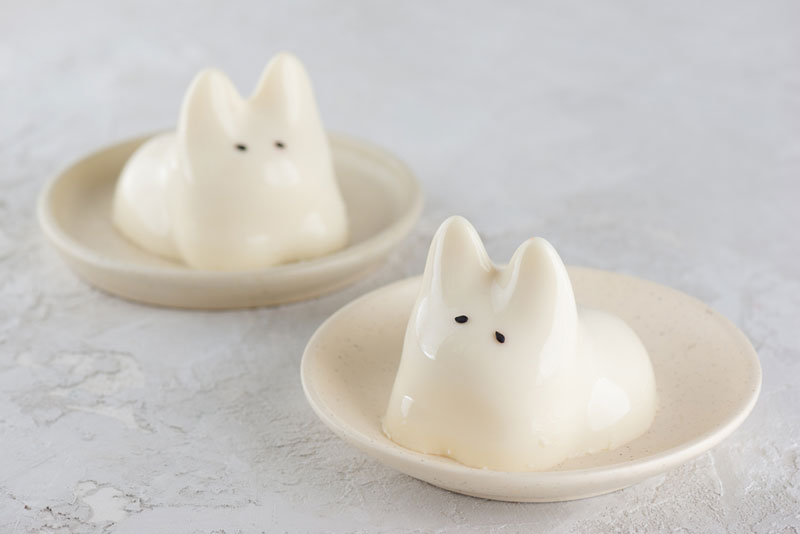
Have you ever wondered if cats can eat vanilla? The answer is not a simple yes or no. While vanilla itself isn’t toxic to cats, it’s important to consider a few factors. Cats’ digestive systems are quite different from ours, and what might be safe for humans doesn’t always hold true for our fluffy friends. So, can your cat enjoy a lick of vanilla? Let’s dive into the details.
A delightful scent wafts from your kitchen as you whip up some vanilla-flavored treats. You gaze at your feline friend, who seems particularly intrigued by the aroma. It’s natural to wonder if it’s okay to share a bit of that yummy goodness with them. While the short answer is that vanilla is not harmful, there are many factors to weigh before serving it to your kitty. Cats tend to be indifferent to sweet flavors, as they lack taste receptors for sweetness. This means that while the vanilla might not appeal to them, it’s good to be cautious with what we offer them.
If you’re curious about the ins and outs of feeding vanilla to your cat, stick around! We’re going to explore everything from how much vanilla is safe, to its potential benefits, and even some delicious alternatives. Let’s jump into the world of vanilla and our beloved cats!
You might also be interested in: Can Cats Eat Strawberry Ice Cream?
Can Cats Eat Vanilla?
When we think about what our cats should eat, it can be tough to navigate all the options out there. Cat food is specially formulated to meet their dietary needs, but a taste of vanilla doesn’t have to be a no-go. Vanilla, the delightful flavor that enhances many desserts, is derived from the beans of the vanilla orchid. While it’s often enjoyed by us humans in various forms, its effects on our feline friends are quite different.
Cats are obligate carnivores, which means their diet primarily consists of meat. They have a unique digestive system that can sometimes react unexpectedly to non-meat substances. Vanilla itself contains compounds that aren’t toxic to cats, making it relatively safe in small amounts. However, we should be cautious because some vanilla products, such as extracts and flavorings, may contain additional ingredients that could be harmful to our furry companions.
It’s worth noting that while a little vanilla won’t harm your cat, it might not do them any good either. Cats have different taste and smell perceptions than we do. They don’t seek out sweet flavors like we do. So, your kitty may smell the delightful scent but may not be interested in tasting it. We’ve all seen our cats turn their noses up at something we thought they would enjoy! In this case, a little bit of vanilla won’t hurt your cat, but it certainly isn’t a necessary treat for them.
How Much Vanilla Can Cats Eat?
Now that we’ve established that cats can eat vanilla without serious harm, let’s tackle the question of how much is actually safe. Moderation is key. Since cats don’t naturally consume vanilla, their bodies aren’t accustomed to it. A tiny amount, like a drop of pure vanilla extract, is likely to be okay. However, anything beyond that could potentially upset their tummy or lead to digestive issues.
If you’re tempted to incorporate vanilla into your cat’s diet, start with a minuscule amount. Observe your kitty’s reaction after introduction. Has your cat developed a suddenly shaky stomach? Is there a hint of vomiting? If anything seems off, it’s best to steer clear of vanilla entirely in the future. Keep in mind that more complex vanilla products may include additives that could cause nausea or a stomach ache for your beloved fluffball.
It’s also crucial to remember that many vanilla-flavored foods and drinks you might enjoy contain sugar, sweeteners, or artificial flavors, which are not beneficial for cats. Cats are experts at letting us know what they want, but it’s up to us to know what they truly need.
As pet owners, we must prioritize our furry friends’ health above all. When it comes to treats, it’s often better to stick to cat-safe options rather than experimenting with human food. A few healthy cat treats or a sprinkle of catnip will likely bring more joy to your little buddy than a splash of vanilla ever could. So, in summary, if your kitty does happen to nibble on a tiny bit of vanilla, it’s generally fine, but always be cautious and choose moderation.
Benefits Of Vanilla To Cats
1. Sweet and Pleasant Aroma: On rare occasions, some cat owners find it amusing to see if their cats enjoy new smells and tastes. Vanilla, with its sweet and pleasant aroma, may pique your cat’s curiosity. While it might not provide any substantial health benefits for your kitty, observing their reaction could be entertaining for us. Cats can be quite silly creatures, and who doesn’t love a good giggle or two at their antics?
2. Calming: While it’s not nutritionally beneficial, the smell of vanilla can be calming. Just like us, cats can also experience stress or anxiety. A soothing scent may help them relax, and if they seem to enjoy the aroma of vanilla, it could be a nice way to help ease their nerves. After a tense vet visit or a loud thunderstorm, letting your cat sniff a little vanilla can create a comforting atmosphere, bringing both of you a moment of tranquility.
3. Exciting Experience: Introducing novelty to your cat’s environment can be an exciting experience. Adding different scents or flavors can stimulate your cat’s senses. However, stick to safe options. Vanilla does qualify as an intriguing scent so long as it’s not in excess. It’s all about promoting happiness in our furry roommates!
4. Bonding: Some cat owners like to use different scents to bond with their cats. As part of their home environment, vanilla can add a unique element. We might be tempted to share our love for things like vanilla ice cream with our feline friends, but it’s best to keep those delicate boundaries. Sharing activities revolving around safe scents could strengthen the bond between us and our cats.
5. Flavor Enhancer: Lastly, as we explore vanilla’s role in our homes, let’s remember how it enhances our desserts, acting as a flavor enhancer. In instances where we cook for ourselves, knowing that vanilla isn’t harmful to our cats can give us peace of mind. In this way, we can still enjoy those delicious dishes without feeling guilty about leaving our little companions out of the equation.
Dangers Of Feeding Vanilla To Cats
As with any ingredient, we should always consider the potential risks of feeding vanilla to our cats. There are several concerns we should be aware of. Even if vanilla itself is not toxic, certain products like vanilla extract can pose health risks. While small amounts of pure vanilla may not harm cats, artificial flavorings and additives found in many commercial products can have adverse effects on their health.
For instance, some brands of vanilla extracts contain alcohol or high sugar content. Alcohol is toxic to cats, even in tiny amounts, and can lead to significantly severe reactions. From vomiting and diarrhea to more severe effects like tremors or a loss of coordination, the signs are not something we want to witness in our beloved companions.
Another risk to consider is that too much vanilla could lead to stomach upset or digestive issues. A cat’s stomach is delicate, and simply adding new tastes can lead to nausea or discomfort. In addition, vanilla products that utilize sweeteners like xylitol can also be toxic to cats. Such sweeteners can result in dangerous drops in blood sugar, leading to seizures or even death if consumed in sufficient quantities.
We must also remember that cats have limited dietary needs, and their bodies do not require sweet flavors. Providing treats outside their standard diets can potentially lead to unhealthy habits. Too many unusual treats can also contribute to an unbalanced diet, leading to obesity or other health issues.
In summary, while vanilla isn’t inherently harmful, the accompanying ingredients in certain products can pose significant risks for our feline friends. Always monitor what our cats are consuming and steer clear of anything that could jeopardize their health.
Substitute Of Vanilla For Cats
1. Cat-safe Herbs: If you’re exploring alternatives to vanilla that are both safe and enjoyable for your cat, consider offering them cat-safe herbs like catnip or valerian root. Cats respond positively to these herbs! In essence, they help create an engaging environment while keeping the risks to a minimum. Sprinkling a bit of catnip can be a great way to introduce something different without worrying about harmful substances.
2. Plain Cooked Meat: Another option is to give your cat a little taste of plain cooked meat. We all know cats are meat lovers! Enticing them with cooked chicken or turkey could be a fabulous alternative to vanilla. Not only is this tasty for our feline pals, but it’s also packed with protein and free from artificial additives.
3. Low-fat Yogurt: You could also consider offering low-fat yogurt in small amounts. Plain yogurt can be a great occasional treat if your cat isn’t lactose intolerant. Just ensure that it doesn’t contain any added sugars or flavors, and always consult your vet before introducing anything new to your cat’s diet.
4. Bananas: Finally, fruits like bananas can be safe in small quantities. However, always exercise caution and only offer fruits that are known to be non-toxic to cats. A small bite of banana could be a curious endeavor, reminiscent of the sweet flavor but without the dangers of vanilla.
5. Nutritional Diet: Remember that moderation is key. Cats are natural hunters, and their diets typically don’t include sweet flavors. Instead of focusing on human-grade treats, we can benefit from prioritizing their health while also keeping mealtime fun with safe alternatives!
Can Cats Eat Vanilla? Frequently Asked Questions
Is Vanilla Extract Toxic To Cats?
It’s not outright toxic, but beware! Depending on the product, some extracts may contain alcohol or other nutrients that could be harmful to cats.
Can Cats Taste Sweet Flavors Like Vanilla?
Surprisingly, cats don’t possess taste receptors for sweetness! So while they can sniff the scent of vanilla, they may not be interested in eating it.
Can I Give My Cat Vanilla-flavored Treats?
Look out for the ingredients! If the treats contain artificial flavors or sweeteners, it’s best to avoid giving them to your furry friend.
How Should I Introduce New Flavors Like Vanilla To My Cat?
Start with tiny amounts and monitor their reactions. If anything seems off, stop immediately!
What Are Some Safe Alternatives To Vanilla For My Cat?
Consider cat-safe herbs, plain cooked meat, low-fat yogurt, or even non-toxic fruits like bananas as tasty alternatives!
Final Thoughts
As we wrap up our exploration of the sweet little world of vanilla, it’s essential to remember that while it’s generally safe for our cats in tiny amounts, it’s always better to prioritize their health and well-being. Cats don’t require vanilla or sweet flavors in their diets, and there are plenty of safer alternatives available.
Feeling curious about what else we can enjoy in the company of our lovely pets? Come on over and check out more interesting articles such as How to Keep Your Cat Happy or even find out if cats can eat chocolate. It’s always fun to keep learning and ensuring we maintain a happy life for our cats!