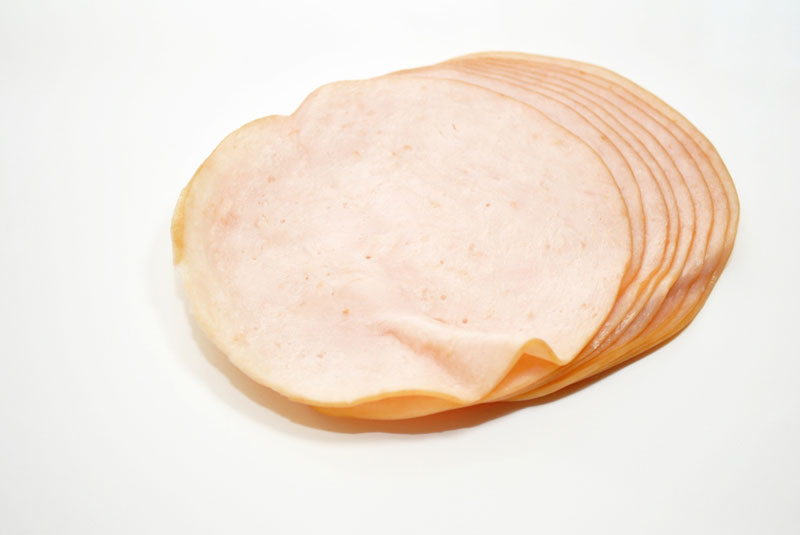
Have you ever found yourself wondering, can cats eat turkey lunch meat? Well, the short answer is yes, they can! But there’s more to the story than just a simple yes. Turkey is often safe for our feline friends in moderation, but it doesn’t come without its concerns. Let’s explore this topic together so you can be the best pet parent possible.
Giving your kitty a little treat of turkey lunch meat can certainly pique your cat’s interest. I mean, have you ever met a cat that turns its nose up at anything that smells like turkey? Exactly! However, it’s crucial to understand the implications of serving this deli delight as an occasional snack. We want our furry companions to stay healthy while enjoying their treats. So, grab a comfy seat and settle in as we discuss everything about feeding your cat turkey lunch meat!
Stick around as we unravel the ins and outs of turkey lunch meat. We’ll share beneficial insights to keep your kitty fed, happy, and healthy. There’s so much to learn about how to feed your pet properly and make sure they get the right nutrients! Let’s hop right into it.
You might also be interested in: Can Cats Eat Turkey Bacon?
Can Cats Eat Turkey Lunch Meat?
Absolutely, cats can eat turkey lunch meat! This is a common query among pet owners, especially when considering how to treat our feisty felines. Turkey itself is a source of protein, an essential nutrient in any cat’s diet. Cats are obligate carnivores, which means their diet needs to be rich in meat to thrive, and turkey fits the bill perfectly. A small piece of turkey lunch meat can be a tasty snack for your kitty. Plus, most cats absolutely love the flavor of turkey, and it can be a good way to bond with them as they happily munch on their treat.
However, while it is safe for cats to eat turkey lunch meat, moderation is key. Processed meats, including turkey lunch meat, often have additives, preservatives, and other ingredients that might not be healthy for our furry companions. These can include sodium, which can be harmful in excess, as well as other spices or flavorings that could potentially upset a cat’s stomach. It’s best to avoid any flavored variations that might contain garlic, onion, or other ingredients toxic to cats. So, while our feline friends can enjoy turkey lunch meat, we need to ensure that it’s given in small amounts and on rare occasions.
How Much Turkey Lunch Meat Can Cats Eat?
When it comes to the quantity of turkey lunch meat that is safe for cats, moderation really is the name of the game. We should treat turkey lunch meat as just that: a treat, not a meal replacement! For small cats, a bite or two might be enough, while larger cats might be able to handle a bit more. Generally, a small piece about the size of a fingernail is a good place to start. This way, we can keep our furry pals from getting in over their heads, or should I say their stomachs!
As a rule of thumb, treats, including turkey lunch meat, should not make up more than 10 of a cat’s daily caloric intake. Most cat owners can estimate their kitty’s calorie needs based on its weight and activity level. For example, if your cat requires around 200 calories daily, that means only 20 calories should come from treats. Given that a piece of turkey lunch meat can contain 10-15 calories, sticking within that limit is incredibly important to maintain your feline’s health.
Of course, always keep in mind specific dietary situations. Cats with certain health issues like kidney disease, obesity, or allergies should be monitored closely. If you’re ever unsure about what’s best for your cat, consult your veterinarian. It’s always important to have professional guidance when making food choices that could impact your pet’s health!
Finally, we should be aware that any new food can introduce gastrointestinal distress in kitty. If you decide to give them turkey lunch meat for the first time, keep a close watch on them. Look out for any signs of discomfort, such as vomiting or diarrhea. If anything unusual arises after giving them a treat, it’s always better to err on the side of caution and consult our vet.
Benefits Of Turkey Lunch Meat To Cats
1.Protein: One of the primary benefits of giving turkey lunch meat to our cats is the protein it offers. As carnivores, cats need protein to maintain their muscle mass, energy levels, and overall health. Turkey is a lean meat option that can contribute to your feline’s protein intake, allowing them to fuel their playful antics.
2. Bonding Moments: Not to mention, turkey has a taste that most cats find delectable! Who can resist that delightful aroma? By using turkey lunch meat as an occasional treat, we can bond with our cats during mealtime. It can enhance our cat’s mood and bring joy into our shared experiences, creating a fun moment of connection between us and our furry companions.
3.Motivator For Training Session: Turkey lunch meat can also act as a motivator during training sessions. Although cats aren’t as eager to please as dogs, delicious treats can encourage them to learn new tricks or behaviors! When training with turkey lunch meat, we tap into a unique way of reinforcing positive behavior with a treat that they genuinely enjoy.
4. Boost Appetite: For those picky eaters who may refuse their regular food, turkey lunch meat can be a game-changer. A little piece of turkey can entice them to eat when they otherwise wouldn’t touch their dishes. It can also be a helpful tool in coaxing sick kitties into feeding again. When our felines aren’t feeling well, they may need that little nudge from a tasty treat to get them motivated to eat.
5. Hydration: A little turkey lunch meat might also serve as a source of hydration. Though it’s not a substitute for water, the moisture content in turkey can help keep our cats slightly more hydrated. This can be especially useful if they’re eating predominantly dry cat food, as it promotes better hydration and overall health.
Dangers Of Turkey Lunch Meat To Cats
Now that we’ve discussed the benefits, we should definitely take note of the potential risks involved. Just because turkey lunch meat is generally safe does not mean we can ignore the dangers that may arise.
The primary concern lies in sodium content. Many processed meats have an excess of salt, making it unfavorable for our feline friends. High sodium can lead to hypertension and other health issues if consumed in excess. Some cats are more sensitive to sodium than others and can easily develop health problems if they munch on salty treats regularly.
Another danger to be mindful of is the presence of preservatives and additives. Many turkey lunch meats contain nitrates and nitrites, and those preservatives could lead to gastrointestinal troubles, particularly when consumed long-term. Cats have sensitive stomachs, and introducing too many processed foods can result in vomiting or diarrhea.
We should also be cautious about any potential allergies or sensitivities your cat may have. Some cats can develop an intolerance to chicken or turkey, and this may result in upset stomachs or skin irritations. If your cat shows any adverse reactions, make sure to discontinue the treat and consult your veterinarian for advice.
Lastly, letting your kitty indulge on turkey lunch meat too often can create behavioral habits that may lead to finicky eating habits. If your cat begins to favor turkey treats over their balanced cat food, you may find it a challenge to get them back to their regular meals. Balance is crucial, so keeping treats to a minimum is important for their long-term health!
Substitute Of Turkey Lunch Meat For Cats
1. Shredded Turkey: If you’re looking for alternatives to turkey lunch meat, cooked and shredded turkey without any seasonings is an excellent substitute. This homemade treat is a healthier option since we can control exactly what goes into it. Feel free to cook up a small batch and offer it to your cat without any spices or added fats!
2. Cooked Chicken: Another fantastic option is cooked chicken. Like turkey, chicken offers a high protein content and makes for a delicious treat. Just be sure to cook the chicken without any seasoning or sauces—plain is best for our little buddies! As with turkey, serve this only in moderation as an occasional snack.
3.Tuns: Tuna is also a favorite among felines. If you’re using canned tuna, ensure it is packed in water, not oil. Tuna can substitute turkey lunch meat and fulfills that seafood craving for our kitty pals. Just like turkey, too much tuna can lead to health issues, so be sure to treat it as an occasional indulgence!
4.Freeze-Dried Meat Treats: Freeze-dried meat treats are another great option! These can be made from various proteins, including turkey, chicken, or beef, and are great for providing a crunchy texture that cats often enjoy. They’re also free from preservatives, making them a safe choice for our little furballs!
5. Commercial Cat Treats: Lastly, consider commercial cat treats made with natural ingredients. There are many options available in pet stores or online that cater to a cat’s taste buds and maintain their health. Look for those with high-quality protein as the first ingredient and ensure that they are free from by-products or fillers.
Can Cats Eat Turkey Lunch Meat? Frequently Asked Questions
Is Turkey Lunch Meat Safe For All Cats?
Turkey lunch meat can be safe for most cats. However, some cats may have sensitivities or health issues that prevent them from digesting processed meats well. If you’re introducing turkey lunch meat to your cat for the first time, start with a small piece and monitor their response.
How Often Can I Give My Cat Turkey Lunch Meat?
As a general guideline, turkey lunch meat should be an occasional treat rather than a regular part of their diet. Observing moderation is key—sticks to small amounts and only offers it a few times a week.
Can Turkey Lunch Meat Replace My Cat’s Regular Food?
No! Turkey lunch meat should never be used to replace a cat’s regular food. Cats need a well-balanced diet that meets their nutritional requirements. Treats should complement their overall diet, not substitute it.
What Should I Do If My Cat Seems To Have A Negative Reaction To Turkey Lunch Meat?
If your cat displays any adverse reactions after consuming turkey lunch meat, such as vomiting, diarrhea, or lethargy, discontinue its use immediately. It’s best to consult your veterinarian to ensure your furry friend is healthy.
Can I Feed My Cat Other Types Of Deli Meats?
Feeding your cat other types of deli meats, such as ham or bologna, is not recommended due to high sodium and preservative levels, as well as the presence of potential harmful ingredients. Stick to lean meats like turkey, chicken, or prepared meat options to ensure your pet’s health.
Final Thoughts
In conclusion, turkey lunch meat can indeed be a delightful treat for our feline companions, as long as we keep it in moderation. We should always choose quality ingredients and be mindful of what foods our cats enjoy, promoting a balanced diet that keeps them healthy. Cats can enjoy the taste and the bonding moments shared, but care must be taken to ensure we aren’t harming them in the long run.
As you explore your options for treating your cat, consider checking out more topics like pet health tips, the ever-popular can cats eat deli meat. Happy feeding!