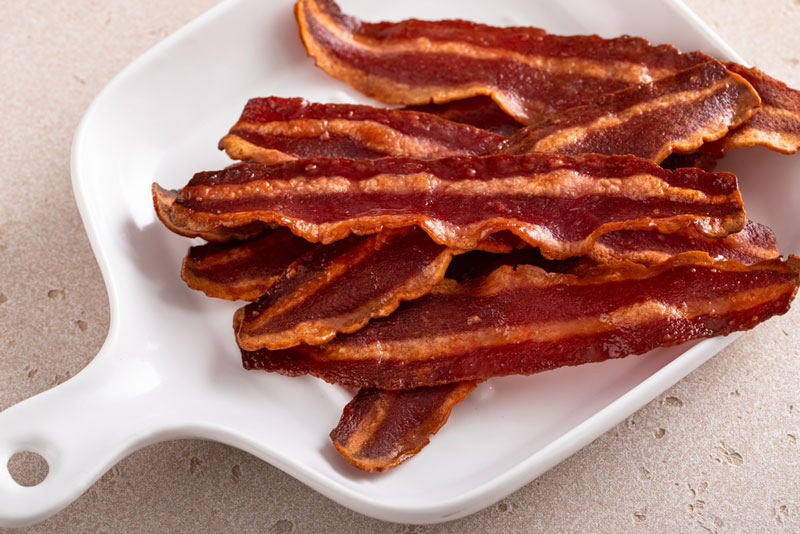
Have you ever wondered if your furry friend could enjoy a tasty snack like turkey bacon? Well, let’s settle the question: yes, cats can eat turkey bacon—but with some caution! While turkey bacon might seem like a delectable treat for our feline pals, there are important factors to consider before sharing this snack.
First off, turkey bacon is generally lower in fat compared to traditional pork bacon, which might sound healthier. However, we should remember it still contains sodium, preservatives, and other additives that may not be ideal for our pets. Just like we wouldn’t want to feed our cats human snacks regularly, turkey bacon should also be treated as an occasional treat rather than a staple in their diet.
So, if you’re curious about how turkey bacon can be part of your cat’s life, stick around! We will explore the benefits, risks, serving sizes, and even tasty substitutes that can keep our furry companions happy and healthy.
You might also be interested in: Can Cats Eat Raw Chicken?
Can Cats Eat Turkey Bacon?

As pet lovers, we often find ourselves wanting to share our favorite foods with our furry friends. When it comes to turkey bacon, we need to make sure it’s safe for our precious cats. Turkey bacon is a processed meat product made from turkey and usually contains seasonings and other flavor enhancers. It is important to know that some of these ingredients may not be good for our cats.
Now, the good news is that turkey bacon doesn’t contain a large amount of fat, which is beneficial compared to regular bacon. But, cats are obligate carnivores, meaning their main diet should consist of animal proteins. Turkey bacon can provide some proteins, but let’s not forget it is still a processed meat. Too much processed food can lead to health issues, so moderation is key.
When we talk about sharing turkey bacon with our cats, we need to keep an eye on the sodium levels. Many brands of turkey bacon can be high in salt. Cats are known for being sensitive to salty foods, and too much salt can lead to health concerns including dehydration and kidney issues. So, it’s wise to read the ingredient labels carefully and pick a brand that is lower in sodium.
In addition, if you’re thinking about giving turkey bacon to your cat, make sure you introduce it slowly. If they haven’t eaten it before, it might not sit well with their tummy. Always watch for any signs of digestive issues, like vomiting or diarrhea, and consult your veterinarian if you have any concerns. A good rule of thumb is to think of turkey bacon as an occasional treat rather than a regular part of their menu.
How Much Turkey Bacon Can Cats Eat?
Now that we understand our cats can eat turkey bacon, it’s essential to talk about quantity. Serving size is very important because even good foods can become unhealthy in excess. Generally, it’s wise to stick to a small portion. A tiny piece about the size of a cat treat or even smaller is a safe starting point. We can think of it as an appetizer instead of a full meal.
Many cat owners tend to get excited and overindulge their pets thinking a little extra bit won’t hurt. But, let’s remember that our cats have sensitive stomachs. Too much turkey bacon all at once can lead to tummy troubles. So, how do we determine the right amount? It’s helpful to begin with just a small bite so we can monitor how our cats react.
If they do well with that small amount, we can gradually increase the quantity. We just want to keep it as rare special occasions rather than regular feedings. A safe guideline could be feeding turkey bacon no more than once a week. This way, we keep it interesting without overdoing it!
Please remember to interact with our cats while feeding them these special treats. Take this time to bond and show them some love. It makes treat time much more enjoyable for both us and them. The family can gather around and make it a fun event. Just be sure no one else is sneaking larger amounts of turkey bacon when we’re not looking!
It’s also important to keep our cats’ overall diet balanced. Their main meals should be high-quality cat food suited to their nutritional needs. So, incorporating tiny bits of turkey bacon is a delightful way of rewarding them without compromising their health. Remember, after all is said and done, moderation is the secret!
Benefits Of Turkey Bacon To Cats
1. Protein: One of the principal benefits of including turkey bacon in our cats’ diets is the protein it provides. As mentioned earlier, our feline friends thrive on animal protein. Turkey bacon can offer some protein that can supplement their nutritional intake in small amounts, giving them energy for playtime or nap time. However, we should never rely on turkey bacon solely for that purpose.
2. Lower in Calories: Turkey bacon is also lower in calories compared to many other meats. This means that we get to spoil our cats without piling on too much extra weight. If our cats are at risk of obesity, turkey bacon might be a good occasional treat choice. We still need to watch their overall caloric intake from all sources to prevent any unwanted pounds.
3. Tasty Alternative: Another advantage is that turkey bacon is usually made from turkey breast, which is leaner than other meat products. It can be a tasty alternative, especially for cats that may need a lighter diet due to health reasons. Lean meats can often be less harsh on their digestive systems when fed in moderation.
4. Training: The process of giving turkey bacon can also serve as a positive reinforcement during training or to encourage our cats to follow commands. Treats help to motivate our furry companions. With some encouragement from delicious bites of turkey bacon, we can foster proper behavior.
5. Strengthen The Bond: Lastly, let’s not forget the joy on our cats’ faces! Giving them a special treat like turkey bacon can strengthen the bond we have with them. Who doesn’t love to see those happy purrs and tail wags when they are enjoying something yummy? Treats can make cuddle time extra special and memorable!
Dangers Of Feeding Turkey Bacon To Cats
While there are some benefits to sharing turkey bacon, it’s crucial to consider the risks and dangers associated with it. Our fur babies depend on us to make the right choices for their health. One major concern is the sodium content. As previously mentioned, turkey bacon can contain a significant amount of sodium, which isn’t good for our cats in large quantities. High sodium intake can lead to problems like dehydration or even more serious issues such as high blood pressure.
Another aspect to be cautious about is the preservatives that are commonly found in processed meats. Some common additives could lead to allergic reactions or upset stomachs for certain cats. We need to pay close attention to how our tails and whiskers are reacting to new foods and adjust accordingly. If there are any adverse reactions, it is important to contact our vet as soon as possible.
Additionally, since turkey bacon is a processed item, it may contain outlines of other ingredients that might not suit our cats. For example, certain flavor enhancers or spices may be harmful to them. We’re all familiar with garlic and onion as common ingredients in many dishes, but they can be toxic to cats! It’s always a good practice to know what ingredients are in the food we feed them.
Serving size is also important for limiting risks. Too much turkey bacon can lead to an upset stomach or diarrhea. If our cats experience any problems after consuming it, we should stop feeding it altogether and consult the veterinarian. It’s all about monitoring our pets and being aware of how different foods affect them. Keeping the overall wellness in mind helps us to ensure our cats live their happiest, healthiest lives.
{“In conclusion, we need to keep a close eye on turkey bacon servings and be mindful of their overall diet. It should be just another tiny treat, happily shared on occasion!”}
Substitute Of Turkey Bacon For Cats
1. Cooked Turkey Meat: If turkey bacon doesn’t seem suitable for your cat, there are plenty of delicious substitutes we can offer instead. One great option is plain cooked turkey meat. This way, we get to give them a healthy protein source without adding unnecessary salt or preservatives.
2. Cooked Chicken: is another wonderful alternative! Just like turkey, chicken is lean and full of protein. It works great as a topping on their favorite cat food or as a standalone snack during training sessions.
3. Freeze-Dried Treats: Another option we can consider is freeze-dried treats specifically designed for cats. These kinds of treats come in different flavors like fish or chicken and are typically low in calories, making them a great snack for our kitties.
4. Snack.: Let’s not forget about baby food! Some baby food options made with meat (and without onions or garlic) can also be a wholesome snack. They are soft and easy to chew, making them an appealing delicacy for our felines.
5. Tuna: Lastly, we can always lean on tuna occasionally. Cats love fish, and tuna can be a fantastic treat. Just remember to offer it only occasionally, and ensure it’s packed in water, not oil or brine.
Can Cats Eat Turkey Bacon? Frequently Asked Questions
Can My Cat Eat Turkey Bacon Every Day?
It’s recommended to only offer turkey bacon as an occasional treat. Daily feeding may lead to health concerns. Moderation is key!
What If My Cat Enjoys The Taste Of Turkey Bacon A Lot?
Cats love turkey bacon, so it’s important to limit the amount and frequency. Stick to small portions to keep their diet balanced.
Are There Any Turkey Bacon Brands That Are Safer For Cats?
Look for brands that offer low sodium options without preservatives. Reading the labels is essential to ensure good quality!
What Should I Do If My Cat Has An Upset Stomach After Eating Turkey Bacon?
If your cat experiences digestive issues, stop feeding turkey bacon and consult with your veterinarian for advice on how to proceed.
Can I Use Turkey Bacon For Training My Cat?
Turkey bacon can be used for training, just be cautious with the amount and frequency. Consider healthier alternatives if you see any issues.
Final Thoughts
Treating our feline friends like family means being cautious and knowledgeable about what we feed them. As we’ve learned, turkey bacon can be shared in moderation, but it comes with potential risks. It’s crucial to evaluate our cats’ overall diets and ensure we’re providing a healthy, balanced meal plan while offering fun treats now and then.
Let’s make an effort to explore healthier alternatives like cooked turkey or chicken, and remember the significance of ingredients in our pets’ food. By doing so, we enhance their well-being while allowing them to savor tasty moments with us! If you enjoyed this article and want to check out more, perhaps you will be interested in finding out if cats can eat raw ground beef. We can continue ensuring our pets lead happy and healthy lives together!