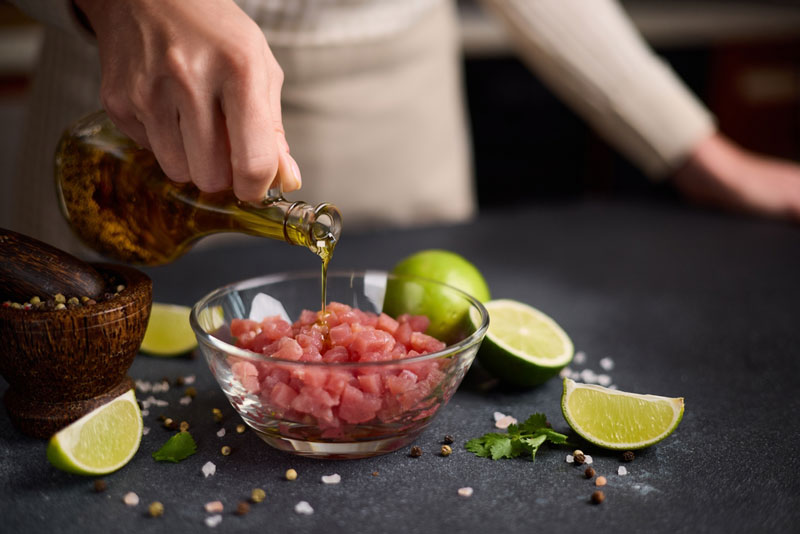
Can cats eat tuna in oil? This is a question many cat owners ponder over. The simple answer is yes, cats can eat tuna in oil, but with some important considerations! While your furry friend may be thrilled at the thought of this tasty treat, we need to look closely at how it can fit into their diet.
Cats are known for their discerning palates, often turning their noses up at their regular food while eagerly chasing after that can of tuna. Tuna in oil can indeed be a flavorful addition to their meals but it must be given as an occasional treat and not a daily staple. Too much can lead to health problems, which we will explore further in this article.
If you’re curious about how to safely treat your cat to some tuna, or you want to learn more about the risks and benefits, keep reading! We’re going to breakdown everything you need to know about cats and tuna in oil, so you can make the best decision for your purring companion.
You might also be interested in: Can Cats Eat Smoked Salmon?
Can Cats Eat Tuna In Oil?
When we think about sharing food with our pets, tuna often tops the list. The enticing aroma and taste of tuna can make our cats’ whiskers twitch with excitement. So, do cats really enjoy tuna in oil? Well, most cats would probably burst into song if they could, simply because they’re receiving a delicious meal! However, while cats can eat tuna in oil, it’s essential for us to keep moderation in mind.
Tuna in oil is usually canned fish submerged in oil for flavor and preservation. While this may sound appetizing for felines, we need to remember that oil can add extra fats to their diet. Cats, being obligate carnivores, require protein, but too much oil can lead to weight gain and digestive issues. It’s a bit like us enjoying a rich dessert—treats are great, but too many can lead to a tummy ache!
How Much Tuna In Oil Can Cats Eat?
When it comes to feeding our cats tuna in oil, the age-old saying “everything in moderation” rings true! Giving your doting kitty a few bites of tuna is fine, but we don’t want to make it a daily habit. Just like how we wouldn’t want our children devouring sweets at every meal, other considerations should come into play.
A good rule of thumb is to limit tuna in oil to a small treat once a week. Perhaps a half teaspoon or so, depending on your cat’s size and dietary needs. If your cat is larger, they may be able to handle a larger portion. However, it’s wise to consult your veterinarian for specific recommendations based on your pet’s individual health and activity level.
Also, if your cat has never had tuna before, start small! Introduce the treat gradually to see how their stomach reacts. Some cats can be sensitive, and you wouldn’t want to ruin their special tuna experience with an upset tummy!
Remember to balance their diet with proper cat food to ensure they are receiving all essential nutrients. Treats should never exceed more than ten percent of their daily caloric intake.
Lastly, always ensure your tuna in oil comes from a quality source without any harmful additives. If you’re ever in doubt, you can always ask your vet for some trendy tuna brands!
Benefits Of Tuna In Oil To Cats
1. Special Treat: One of the biggest benefits of tuna in oil is providing a special treat for your feline friend. Cats can get bored with their everyday food, and tuna can serve as a delightful diversion! Treating your pet occasionally keeps them happy and can even strengthen your bond.
2. Source of Protein: Tuna is an excellent source of protein, which is essential for your cat’s overall health. Cats need protein for energy, growth, and overall maintenance of their bodily functions. Just like humans need protein to build muscle, cats use it for maintaining their sleek and strong physiques!
3. Omega-3 Fatty Acids: This present in tuna contribute to your cat’s gorgeous coat. If you’ve ever petted a well-taken care of cat, you know how silky their fur can feel. An occasional tuna treat can help your kitty achieve that shiny, luxurious coat that you can’t help but admire!
4. Assist in Hydration: Tuna in oil can also assist in hydration. Cats sometimes do not drink enough water, which can lead to dehydration. Mixing tuna in oil with their regular food can make it more appealing, thus increasing their water intake. Trust me; a well-hydrated cat is a happy cat!
5. Great Way To Entice Picky Eaters: Lastly, serving tuna in oil can be a great way to entice picky eaters. Some cats can be terribly finicky, turning their noses up at their regular meals. If you have a cat that seems to be moving towards anorexia, introducing a small amount of tuna can encourage them to eat again and regain their appetite.
Dangers Of Feeding Tuna In Oil To Cats
As we already mentioned, while tuna in oil has its perks, we cannot overlook the risks that come with feeding it to your kitty. Everything has a flip side, and this isn’t any different!
Overfeeding tuna in oil can lead to weight gain, which is certainly not something we desire for our precious fur babies. Cats are prone to obesity, especially if they are not exercising regularly! Extra weight can result in serious health complications, just as it does in humans. So, moderation is key!
Another concern is mercury toxicity. Tuna, being a larger fish, tends to accumulate higher levels of mercury in their bodies compared to smaller fish. While the occasional treat is generally safe, we should avoid making it a staple in their diet. Too much mercury can lead to serious health issues that can be tough to combat.
Additionally, the oil used for preservation, if consumed in excessive amounts, can lead to pancreatitis—a condition where the pancreas becomes inflamed. This can be painful and lead to further health problems. We certainly wouldn’t want our cats to suffer unnecessarily!
Hands up! If you’ve ever faced a situation where your cat had an upset stomach after indulging in a treat you thought would make them happy. It’s heart-wrenching—so we should always monitor for any adverse reactions when trying new foods. If your cat shows any signs of tummy troubles after eating tuna, it may be best to consult with your vet right away.
Substitute Of Tuna In Oil For Cats
1. Chicken: If your car is more on the picky side, you might want to consider alternatives to tuna in oil. One excellent option is chicken! Many cats adore chicken, and it can be easily prepared for them. Just boil or bake it without any spices, and cut it into little bite-sized pieces. Cats find it downright irresistible!
2. Salmon: Another solid substitute may be salmon. Salmon contains omega-3 fatty acids similar to tuna, which can work wonders for your cat’s coat and health. Just make sure it’s cooked correctly; never offer raw fish. We humans have learned this lesson too many times!
3. Wet Cat Food: Canned wet cat food often contains fish flavor and can be a healthier substitute. It’s both nutritious and safe to feed regularly. Plus, you won’t have to worry about mercury levels since it’s pre-formulated for feline consumption!
4. Shrimp: You could also try offering shrimp. Cooked shrimp is a great source of protein and makes for a crunchy treat that many cats dig. Just avoid seasoning and keep it in moderation because too many can lead to digestive issues.
5. Tofu: Lastly, consider tofu as a unique protein option. Some cats are not strictly carnivores, and tofu can provide an alternative. Ensure it’s firm and prepared plain. This protein source can be beneficial for cats with specific dietary restrictions!
Can Cats Eat Tuna In Oil? Frequently Asked Questions
Can Too Much Tuna Cause Health Problems?
Yes, too much tuna can potentially lead to health issues, such as obesity and mercury poisoning. This is why moderation is key when feeding your cat tuna in any form.
Is There A Difference Between Tuna In Oil And Tuna In Water?
Yes! Tuna in oil typically has more fat, making it richer, which our cats may find tasty. Tuna in water is generally healthier as it contains fewer calories and fat, making it a better option for everyday snacks.
How Often Can I Give My Cat Tuna In Oil?
We recommend feeding your cat tuna in oil no more than once a week. This way, they get the tasty treat without compromising their health.
What Are The Signs Of Mercury Poisoning In Cats?
Signs of mercury poisoning may include vomiting, diarrhea, lack of appetite, and neurological issues. If you suspect your cat has ingested too much tuna, consult your veterinarian immediately.
Can Kittens Eat Tuna In Oil?
It’s best to wait until kittens are a bit older before introducing tuna. Their digestive systems are still developing, and it’s essential to prioritize their growth with proper kitten food that meets their needs.
Final Thoughts
In conclusion, we can definitely share some yummy tuna in oil with our feline friends, but we must do it wisely and in moderation! Always look out for their health and remember that treats like these are meant to bring joy and not unneeded trouble.
Being a responsible pet owner means keeping our pets happy while ensuring they remain healthy. If you’re ever unsure, it’s a great idea to speak to your vet about the best treats for your kitty!
And with that, why not explore more topics to read about? Check out other fun articles like can cats eat olives or can cats eat honey ham! Each new discovery can deepen our love and understanding of our cherished companions!