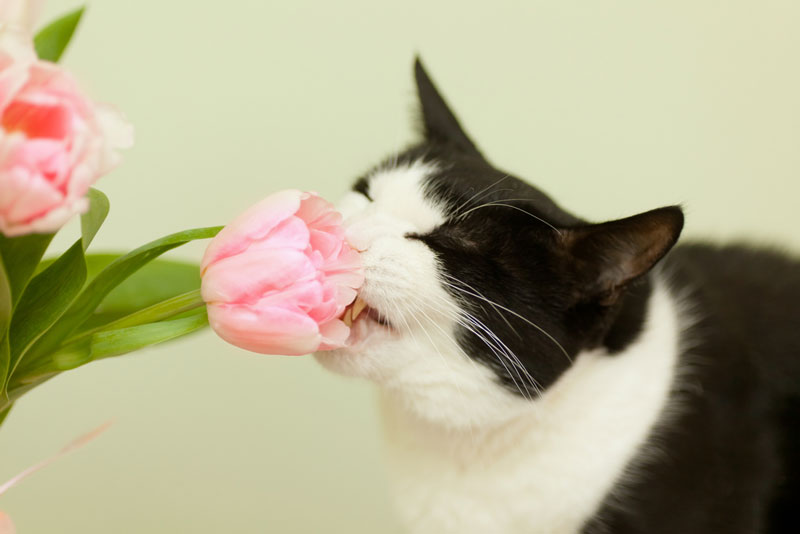
Have you ever wondered if our curious kitties can snack on tulips? The short answer is no, cats cannot eat tulips safely. While these vibrant flowers may add beauty to our homes and gardens, they can actually be harmful to our feline friends. The good news is that knowing this can help us protect our pets from potential harm.
Tulips are not only stunning but they also come with a hidden risk for cats. If our furry companions choose to nibble on tulips, they may experience some unpleasant effects. As responsible pet owners, it’s important for us to understand which plants are safe and which ones pose a risk. Let’s keep learning about tulips and what this means for our beloved cats.
As we continue exploring this topic, we’ll delve deeper into the effects of tulips on cats, how much of the plant is dangerous, and what we can offer our pets instead. So, grab a cozy blanket, let’s get comfortable, and dive into this floral adventure!
You might also be interested in: Can Cats Eat Lavender?
Can Cats Eat Tulips?

Tulips are part of the lily family, and while they may be gorgeous, they shouldn’t be mistaken for a salad option for our furry friends. When cats ingest tulips, they can face a variety of distressing symptoms. These symptoms can range from mild to severe, with potential complications for our pets.
The primary concern is a compound called tulipalin A found in the bulbs, leaves, and flowers. This compound is toxic to our feline buddies. It can upset their stomachs and lead to vomiting, diarrhea, and drooling. If a cat devours a larger quantity, there is a chance of more serious issues, such as difficulty breathing and elevated heart rates, which can lead to further complications.
Spotting the rarity of our cats munching on tulips shouldn’t give us a false sense of security, though. Even a small amount of tulip can result in a little discomfort or even serious health risks. It’s vital to keep tulips out of reach or consider using non-toxic flower species for your home and garden.
If our cats become sick after eating tulips, we need to remain calm yet vigilant. Contacting a veterinarian promptly can save our pets from unnecessary suffering. This is why it’s crucial for us as responsible pet owners to recognize the potential dangers of plants within our environment. Keeping a keen eye on our surroundings can help our kitties avoid such toxic risks.
How Much Tulips Can Cats Eat?
Understanding how much tulip can be harmful to our feline friends can help us prevent accidents. The amount that is considered toxic varies based on the size of the cat and their health status. Even just a small nibble can cause discomfort and an upset tummy in cats. Therefore, it’s best to assume that any exposure is risky.
First off, if a cat is visiting a garden where tulips grow, there is a chance they might be curious. This curiosity could lead them to sniff or even taste the plant. Unfortunately, this curiosity could incur consequences. As a precaution, let’s keep tulips out of our garden if our feline friends spend time outdoors.
For indoor environments, it is essential to create a cat-safe zone. This could involve researching and identifying plants that are safe for our little adventurers. The truth is, it’s always better to be safe than sorry. Avoiding the risk of plants like tulips is an important consideration.
For a cat that does ingest tulips, what should we do? Contacting a veterinarian is vital. They can give us guidance based on how much was ingested and assess whether our fur baby needs further care. Health professionals understand various plant toxins and can provide us with the proper advice or treatment options to help our furry friends.
In summary, keeping tabs on our cats and their plant interactions is the key! Mistakes happen, but learning from them can help us make smarter choices for their safety. The take-home message here is to keep tulips and other toxic plants beyond reach or out of our homes entirely. Instead, let’s fill our spaces with safe plant options that can bring beauty into our lives while ensuring our pets stay safe.
Benefits Of Tulips To Cats
1. While tulips themselves are not safe for cats, it’s worth exploring what benefits other safe plants can provide. Cats love to engage with plants, and incorporating cat-safe greenery can add joy to their lives. From catnip to cat grass, these plants can provide safe stimulation and enrichment while also allowing our pets to indulge their natural instincts.
2.Another benefit of using cat-safe plants is that they can reduce stress for our furry friends. Numerous studies have shown that just being around plants can help lower anxiety. When we create a calming environment for our kitties by incorporating greenery that is safe, we help in reducing the chances of them becoming anxious or stressed. Happy kitties mean happy humans!
3.Indulging their instincts is something we can easily achieve with the right plant choices. Plants designed for cats give them the chance to roll, chew, and play without threatening their health. Engaging with cat-safe plants can satisfy their innate behaviors, which, let’s be honest, also makes for adorable antics that we love to watch!
4.Another benefit related to safe plants is the bond we can create as pet owners. Understanding what is safe for our furry friends allows us to deepen our partnerships. As we learn more about the plants that enrich their lives, we develop meaningful practices that enhance our time together. Showing our love for our pets in this manner can create lasting memories.
5.Lastly, opting for non-toxic plants to decorate our homes and gardens can also positively impact the environment. Many cat-safe options are often native plants that support local wildlife. By choosing these plants, we work in harmony with our surroundings, boosting our eco-friendliness while enjoying beautiful spaces that also care for our pets.
Dangers Of Feeding Tulips To Cats
We all want to keep our cats safe, which is why we should consider the potential dangers of tulips. As mentioned earlier, tulips contain a toxic compound called tulipalin A, which poses various risks to our pets. This compound can lead to several uncomfortable symptoms if ingested.
One significant danger involves gastrointestinal distress. This can manifest as vomiting, diarrhea, or drooling when our kitty decides to sample a tulip. The consequences can disrupt their well-being and lead to larger health problems if not dealt with. It’s a guaranteed recipe for a stressful experience for both our furry friend and us!
Another risk comes from the reaction to tulipalin A. Cats that are more sensitive or have pre-existing health conditions could experience more severe symptoms, such as difficulty breathing or changes in heart rate. In these cases, it’s important for us to act swiftly by contacting a veterinarian for assessment and treatment.
It’s also essential to understand that the risks of tulips extend beyond toxicity. Some cats might develop behavioral issues related to their exposure to plants. For example, if they associate their odd feelings with their environment, they might become reluctant or fearful when it comes to being near plants at all, which can hinder their exploration instinct.
Furthermore, in a multi-pet household, we might not just deal with cat dangers. If dogs are also present, they can ingest tulips as well, amplifying potential health concerns. We want to be proactive in protecting all pets from consuming toxic plants.
In sum, it’s crucial to be aware of these risks. Keeping tulips well out of reach is the best course of action. Instead, let’s create healthy spaces filled with non-toxic plants that our furry friends can enjoy without fear. Let’s maintain a safe home while making sure our cats thrive!
Substitute Of Tulips For Cats
1. Catnip: Instead of tulips, how about considering catnip? This delightful herb is a favorite among cats and can give them a wonderful sensory experience. Catnip can also provide some enjoyment without the threat of toxicity. Providing a playful space filled with catnip can result in endless fun for our furry companions.
2. Cat Grass: Another great substitute to consider is cat grass. Often made of wheat or oats, cat grass gives our kitties the satisfaction of chewing on greenery without any risk. It aids in digestion and helps them feel more satisfied during playtime! Plus, it’s fun to watch as they indulge in their playful instincts.
3. Safe Flowers: Aside from those, we can also explore safe flowers such as pansies and violets. These blooms are non-toxic to cats and add beauty to our homes and gardens. Just imagine how wonderful it is to have colorful flowers without worrying about our pets getting sick. It’s a win-win!
4. Spider Plants or Boston Ferns: We might also consider incorporating spider plants or Boston ferns into our homes. These plants are both safe for cats and resilient. Not only can we enjoy their beauty, but cats love to interact with them as well. They can climb, scratch, and play to their hearts’ content without worry.
5. Herbs: Lastly, herbs like basil or mint can be great alternatives. These plants not only add fragrance and taste to our dishes but are safe for our cats too. Just ensure that they don’t munch too much, as even safe plants can upset their stomachs if eaten in large quantities.
Can Cats Eat Tulips? Frequently Asked Questions
What Should I Do If My Cat Eats A Tulip?
If our cat eats a tulip, the best immediate action is to contact a veterinarian. They can provide the necessary guidance on how to proceed based on the amount eaten and any symptoms present.
Are There Any Other Flowers That Are Toxic To Cats?
Many popular flowers, such as lilies and azaleas, are indeed toxic to our cats. It’s always best to research any plant we consider introducing to our homes or gardens.
Can I Teach My Cat To Stay Away From Tulips?
While we can try to redirect their focus using positive reinforcement methods, it’s not guaranteed that our cats will understand. The safest bet is to keep tulips completely out of reach.
What Are The Benefits Of Safe Plants For Cats?
Safe plants can provide stimulation, reduce stress, and allow our kitties to engage in natural behaviors while ensuring they remain healthy and happy.
Is Cat Grass The Same As Regular Grass?
No, cat grass is specifically grown for cats, typically made from wheat or oats. It is different from regular grass and is safe for our kitties to consume.
Final Thoughts
In conclusion, understanding the relationship between cats and tulips is essential for anyone who shares their life with a furry friend. Never underestimate the importance of keeping plants that can be harmful to them out of our space. It’s all about protecting our sweet companions and ensuring they live vibrant and healthy lives.
As we explore alternative options for our homes and gardens, let’s celebrate the beauty of plants while ensuring our kitties remain safe. Consider researching cat-friendly choices that can brighten up our lives without the risks that come with tulip exposure. Together, we can create an environment that fills our homes with joy and keeps our furry friends safe!
If you’re interested in learning more about what our pets can and cannot eat, check out articles like this blog and this one about dandelions. Let’s become advocates for our pets’ well-being!