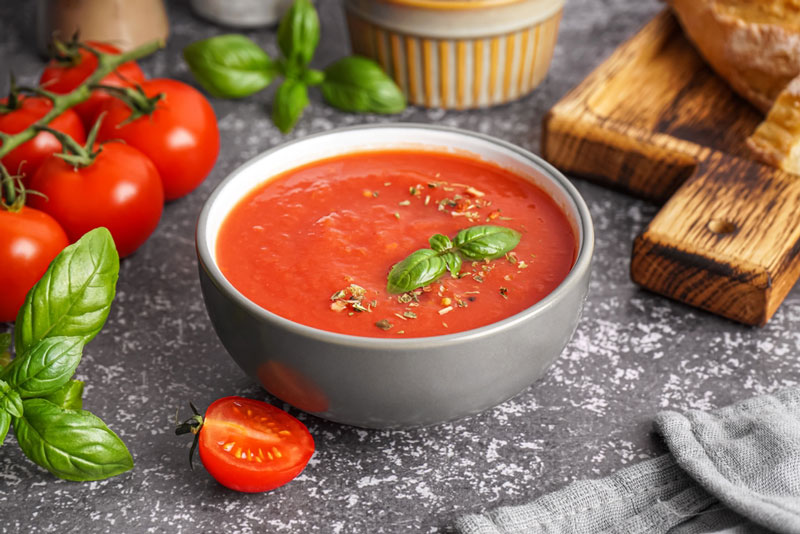
Have you ever wondered if your fluffy friend can join you for a bowl of tomato soup? Well, let us put your mind at ease—cats should not eat tomato soup, primarily due to the harmful ingredients often found in it. While the idea of sharing your delicious meal seems adorable, it’s essential to keep in mind that cats are obligate carnivores and have specific dietary needs that don’t include tomatoes or any acidic soup.
Now, you might be thinking, “But what if my cat sneaks a little taste?” It’s not uncommon for our furry pals to be intrigued by what we eat! However, just because they find something interesting doesn’t mean it’s good for them. So before you decide to let your feline friend try a spoonful of your comfort food, it’s a great idea to understand what the potential risks are. This leads us to the importance of researching what’s safe and healthy for our pets.
As we dive deeper into the world of cats and their diets, we will explore everything you need to know about whether cats can eat tomato soup. Stick around for some fun facts, tasty substitutes, and even how to keep your kitty safe and healthy while enjoying your meals. Let’s get started!
You might also be interested in: Can Cats Eat Pumpkin Puree?
Can Cats Eat Tomato Soup?
When we think about the foods we love, tomato soup often comes to mind. It’s warm, hearty, and comforting! But for our cats, this is where we need to throw a red flag! The question isn’t just if they can eat it, but should they? The main ingredient in most tomato soups is, of course, tomatoes, which contains compounds that can be harmful to our cats.
Tomatoes belong to the nightshade family, which includes potatoes and eggplants. While small amounts of ripe tomatoes are not toxic to cats, the levels and types of tomatoes used in most soups can be concerning. Unripe tomatoes and the green parts of the plant contain compounds called solanine and tomatine, which are toxic to cats. Symptoms of tomato poisoning may include vomiting, diarrhea, and lethargy—definitely not the kind of dinner excitement we want for our furry companions!
Additionally, many commercial tomato soups are laden with added ingredients like onions, garlic, and spices. Onions and garlic are toxic to cats and can lead to a condition known as hemolytic anemia. This can reduce your cat’s red blood cell count, which is serious and needs veterinary attention. Overall, sharing tomato soup with your cat is not a great idea.
How Much Tomato Soup Can Cats Eat?
Understanding how much of any food a cat can have is essential in keeping them healthy and happy. Tomato soup, unfortunately, isn’t one of those foods that we can portion out for our furry companions. We simply cannot recommend exposing our cats to any amount of tomato soup. The risks involved are just too high, and our curiosity to let them try a taste should be squashed.
In general, cats thrive on a high-protein diet consisting of meat, specifically poultry and fish. If you are ever unsure about anything that falls outside of their regular menu, consulting with your veterinarian is a smart move. They can give you the best advice tailored to your furry friend’s needs; after all, each cat is unique with their health considerations.
Instead of trying to figure out how much tomato soup is acceptable, it’s much wiser to focus on foods that are safe for kittens to eat. Think about supplementing their meals with treats made explicitly for cats, or even giving them bits of cooked chicken or fish. It’s always better to err on the side of caution.
If you’re looking to treat your cat, there are plenty of options that will keep them safe while making them feel loved and spoiled. They deserve it!
So, moving forward, let’s keep the tomato soup for ourselves and shower our cats with delicious cat-friendly meals that won’t upset their delicate systems.
Benefits Of Tomato Soup To Cats
1. Let’s face it—no matter how comforting tomato soup is for us, the benefits don’t extend to our feline friends. Cats need nutrients specifically tarted to their biology. They thrive on meat-based diets. There are no nutritional benefits for them to consume tomato soup. Instead, let’s look at the focus of diet on high-quality cat foods that meet their dietary needs.
2. Keeping our cats healthy means we need to focus on what satisfies their cravings while ensuring they have everything they need to thrive. There are many alternatives that benefit our cats! Consider foods high in taurine and protein, which are essential to their overall health and wellbeing.
3. Occasionally, we like to think about treats. However, instead of reaching for that tomato soup, why not make a nutritious cat treat? You can cook simple chicken, fish, or even homemade cat biscuits tailored to ensure better health with ingredients known to be safe for cats.
4. Feeding our cats the right types of nutrients can lead to better digestion and less gastrointestinal distress. Eating foods like chicken and fish helps keep their systems running smoothly while avoiding any unwanted symptoms that may occur by feeding them the wrong foods.
5. Lastly, let’s munch on those healthy cat treats together! When we collaborate as pet owners and prioritize our kitties’ nutrition, we create a bond filled with respect and love. Instead of negative health issues resulting from unhealthy food options, let’s invest time in feeding them well so they can return the favor with cuddles and purrs!
Dangers Of Feeding Tomato Soup To Cats
Now, let’s get to the heart of why we’ve been singing a cautionary tune about tomato soup. We want our furry friends to be safe, happy, and healthy, and just one mistake could lead to a whole list of problems. The risks involved are essential to examine because we must protect our curious little ones!
As we mentioned previously, tomatoes can be dangerous, particularly when they are unripe or the green parts of the plant are consumed. Solanine and tomatine are toxins that can cause some distress for our lovely cats. Symptoms can range from mild to severe. Even if a cat eats a small amount, they could exhibit signs such as nausea or lethargy.
Alongside toxicity from tomatoes themselves, we often overlook other “hidden” dangers lurking within tomato soup, such as onion and garlic. These ingredients may make our soups flavorful, but they can be toxic to cats. Cats lack specific enzymes to break down these compounds safely. So feeding them soup containing onions and garlic can lead to anemia which can be life-threatening if not treated.
Moreover, many commercial soups are packed with salt, preservatives, and other seasonings, which are not meant for pets. High sodium intake can lead to sodium ion poisoning in cats causing symptoms like excessive thirst or urination, diarrhea, and even seizures!
Next time you enjoy your delightful bowl of tomato soup, we should be incredibly cautious. With it being so easy for our feline companions to sneak a taste, it’s best to make sure that leftovers are out of their reach. Tomato soup is not only unsafe for them but can ultimately lead to costly vet bills—a situation no pet owner wants to be in!
Substitute Of Tomato Soup For Cats
1. Boiled Chicken: So, instead of scooping out some tomato soup for your kitty, let’s think about fun, healthy alternatives we can provide. One excellent option is boiled chicken. Not only is it tasty and packed with protein, but it matches their needs as obligate carnivores! Many cats will get excited just at the smell of it.
2. Fish: This is another favorite snack for many cats! Simple options like canned tuna are often enjoyed but ensure it’s packed in water, not oil, for their health. While frequency matters, fish once in a while can be a scrumptious treat.
3. Pumpkin Puree: Ever think about pumpkin puree? Not the spiced pumpkin pie variety, but pure, soft pumpkin can be a tasty addition to your cat’s diet. It acts as a great digestive aid and can sometimes help with hairballs. We can add a small dollop to their meal, and it’s a hit!
4. Homemade Cat Treats: If you are feeling particularly generous, you could even try making homemade cat treats! There are many recipes out there that are designed specifically with your cat’s health in mind, and many will love them! It’s an excellent way to bond while ensuring they’re happy and healthy.
5. Quality Cat Food: Last but not least, let’s never forget about quality cat food! High-quality branded cat food is designed to provide cats with precisely what they need. The diversity in flavors and nutrients means your cat will remain satisfied and happy while we spoil them the right way!
can cats eat Tomato Soup? Frequently Asked Questions
What Should I Do If My Cat Eats Tomato Soup?
If your cat has accidentally consumed tomato soup, we recommend monitoring them closely for any symptoms. If you notice vomiting, diarrhea, or lethargy, it would be wise to call your veterinarian.
Can Cats Eat Cooked Tomatoes?
Cooked tomatoes in small amounts might not heavily impact your cat, but it’s better to be safe than sorry. Avoid giving them cooked tomatoes altogether unless specifically prepared for cats.
What Are Some Safe Treat Ideas For My Cat?
Simple treats like pieces of chicken, fish, or small amounts of pumpkin puree can be great alternatives. Cats love variety in their treats too!
Is There A Specific Diet I Should Follow For My Cat?
Consulting with your veterinarian for a tailored diet plan is incredibly helpful. They will guide you toward the best food options available based on their needs.
Final Thoughts
In conclusion, while it might seem tempting to share our tomato soup with our feline friends, it’s really not worth the potential risks involved.
Our cats are special companions, deserving of the best care and attention. With a focus on giving them the safest and healthiest food options, we can ensure we’ll have happy and energetic kitties who can enjoy life to the fullest.
If you want to keep exploring the ways to keep our furry companions safe, check out these links: Huston Veterinary Blog, Can Cats Eat Guacamole?, and Can Cats Eat Applesauce? to learn more about food safety for our pets.