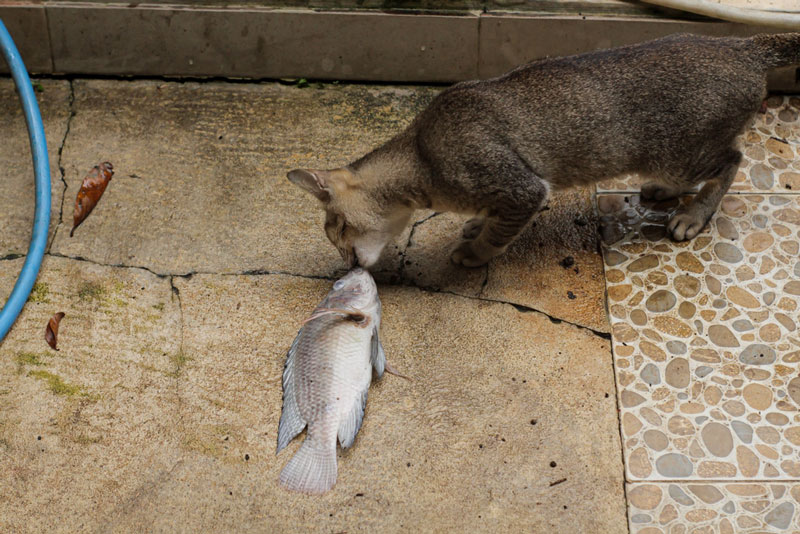
Are you wondering if our feline friends can enjoy a tasty treat like tilapia? The good news is yes, cats can eat tilapia! This fish is a safe source of protein that may even make your kitty purr with delight. However, like any food, it is important to serve it in moderation and prepare it properly to ensure our furry companions stay healthy while enjoying their treats.
Tilapia is a lean fish that is low in calories but packed with protein, making it a tempting option for our cats. Cats are obligate carnivores, which means they thrive on a diet that’s rich in animal-based protein. So, tilapia can be an exciting addition to their regular meals, as long as it is prepared correctly, cooked thoroughly, and served without any harmful seasoning or additives. Imagine the delight on your cat’s face when they get a taste of this new flavor!
If you’re curious about how to include tilapia in your cat’s diet and what to keep in mind while doing so, keep reading! We’re going to explore everything from portion sizes to the potential benefits and risks of feeding your kitty tilapia. Your cat’s happiness and health are our top priorities, so let’s get started!
You might also be interested in: Can Cats Eat Catfish?
Can Cats Eat Tilapia?

Absolutely! Cats can safely eat tilapia as long as it is cooked completely and free from seasonings, sauces, or spices that could harm them. Giving our cats a bit of tilapia can be an opportunity to introduce new flavors and nutrients into their diet. Since tilapia is a type of fish that many people enjoy, it can be a nice change from regular cat food.
Fish like tilapia contains omega-3 fatty acids, which are good for skin and coat health. Just make sure that every serving is well cooked. Raw fish can introduce harmful bacteria like Salmonella or E. coli into your kitty’s diet, leading to potential health risks. It’s important also to remove any bones and avoid giving your cat the skin or tail as these parts can pose a choking hazard or cause digestive issues.
When introducing tilapia to your cat’s diet, start with a small amount to see how they react. Monitor them for any signs of allergies or digestive problems, such as vomiting or diarrhea. If they seem to handle it well, you can gradually increase the serving size. However, always remember that while tilapia can be a delightful treat, it should not replace their regular balanced cat food. Our goal is to maintain their overall health while giving them a little exciting variety.
How Much Tilapia Can Cats Eat?
So, how much tilapia should our feline buddies eat? That’s an important question! Cats should ideally get most of their nutrition from high-quality cat food that is packed with the essential nutrients they need. Treats like tilapia should only make up a small portion of their diet.
A good rule of thumb is to offer a bite-sized piece of cooked tilapia occasionally—once a week is generally a safe frequency for most cats. A piece about the size of your cat’s paw or a small spoonful should do the trick, depending on the size of your pet. It’s also advisable to ensure that any tilapia you feed them is from a reliable source to prevent foodborne illnesses.
The key is moderation. Treats and new foods, like tilapia, can be fun and rewarding for our kitties. However, if we overindulge, it can lead to health issues, such as obesity or gastrointestinal upset. Cats tend to be on the picky side; some may love tilapia while others might turn their noses up at it. Keep an eye on them to see what their preferences are, and respect their choices while keeping their health in mind.
When feeding tilapia, consider the following: Always introduce new foods slowly to minimize the risk of upsetting their stomach. If you notice any unusual reactions, it’s best to consult your vet. They know our pets’ health index better than any internet search can provide! And remember, we want to keep their bellies happy, and our kitties healthy!
Benefits Of Tilapia To Cats
1. High Protein Content: Cats require protein for growth, maintenance, and energy. Tilapia is an excellent source of high-quality protein that can help our feline friends build and repair tissues. Feeding tilapia can give our cats the protein they need without too many calories.
2. Low in Calories: For those kitties who love to snack, tilapia is a low-calorie option compared to other types of fish. By offering them tilapia as a treat instead of high-calorie snacks, we can help them maintain a healthy weight.
3. Omega-3 Fatty Acids: These helpful fats contain essential anti-inflammatory properties and support overall health. Omega-3 also contributes to keeping our cats’ coats shiny and beautiful. Just think about how often we admire our well-groomed cats! Tilapia can be a great way to enhance that glimmer.
4. Variety in Diet: Cats can get bored with their usual diet, and introducing tilapia occasionally can add excitement to mealtime. It can stimulate their senses, encouraging them to be more enthusiastic about eating. Who wouldn’t want to see their furball eagerly chow down on something new?
5. Easy to Prepare: Tilapia is generally easy to prepare. We can bake, steam, or grill it without needing any complex recipes. By preparing it ourselves, we can ensure there are no added seasonings or unhealthy ingredients that could harm our pet. Simple, healthy, and fast—the three golden stories that make meal prep less of a chore!
Dangers Of Feeding Tilapia To Cats
While tilapia can offer a variety of benefits for our kitties, we must be aware of the potential risks too. Our cats’ health is important, so let’s look at some concerns we should address when introducing tilapia into their diets.
One of the significant risks of feeding tilapia is the potential for mercury exposure. Fish can accumulate heavy metals, such as mercury, in their bodies. While tilapia is generally considered to have lower mercury levels compared to other fish, it is still important to limit the consumption to avoid any health problems. Just like we check our food sources for quality, we need to make sure we are being mindful of what we offer our pets.
Another concern is that raw fish can pose a health risk. Uncooked fish can harbor bacteria like Salmonella and E. coli, leading to serious health issues for our kitties. Even though we love our cats, they can have sensitive stomachs. Handling tilapia properly by cooking it thoroughly helps ensure that our pets stay safe and healthy.
We should also consider allergies. Some cats may be allergic to fish, leading to symptoms like itching, vomiting, or gastrointestinal upset when they eat ih. As responsible pet owners, we should always keep an eye on our cats and monitor for any unusual reactions when trying new foods.
Finally, always avoid giving your cat tilapia skin or bones. Fish bones can be sharp and pose choking hazards. We don’t want to serve our cats any surprises while they try to enjoy a tasty treat we have prepared for them. Safety is key!
Substitute Of Tilapia For Cats
1. Salmon: Like tilapia, salmon is a great protein source with healthy omega-3 fatty acids. However, we should ensure it’s cooked thoroughly and served without bones.
2. Tuna: Another popular fish choice, tuna can be a fantastic treat every now and then. It can be a delightful surprise for our furry friends!
3. Sardines: Small and packed with nutrients, sardines can be a great addition to kitty’s diet. Just be careful to select ones canned in water, without any added salt.
4. Chicken: If we want to skip the fish altogether, cooked chicken can also provide an excellent source of protein for our cats.
5. Turkey: Similar to chicken, turkey is another lean poultry option that cats enjoy. Just remove the skin and bones to keep it safe for our feline pals.
Can Cats Eat Tilapia? Frequently Asked Questions
Is It Safe To Feed Tilapia Raw To Cats?
No, it is not safe! Raw fish can contain harmful bacteria that can make your cat sick. Always cook tilapia before serving.
Can Kittens Eat Tilapia?
While it’s safe for kittens to eat cooked tilapia in moderation, their primary diet should consist of high-quality kitten food to support their growth.
What Other Fish Can Cats Eat?
Cats can eat fish like salmon, tuna, and sardines, but always ensure they are cooked properly and served without bones or excessive seasoning.
How Often Can I Give Tilapia To My Cat?
Tilapia should only be fed once a week or so as a treat and not as a main component of their diet.
Can Cats Be Allergic To Fish?
Yes, some cats can be allergic to fish. If you notice any adverse reactions, discontinue feeding tilapia and consult your veterinarian.
Final Thoughts
In conclusion, we can enjoy tilapia as a special treat for our beloved feline companions! This tasty fish can provide several health benefits, offering quality protein and omega-3 fatty acids for a shiny coat and healthy lifestyle. Just remember, moderation is key! Preparation is crucial; always fully cook tilapia and remove any bones before sharing it with our kitties. If we keep an eye on their responses and reactions, we can keep our feline friends happy and healthy.
If you’re itching for more pet-related information, feel free to check out our articles about cats and salmon or cats and sardines. There’s always something new to learn and explore about our furry friends!