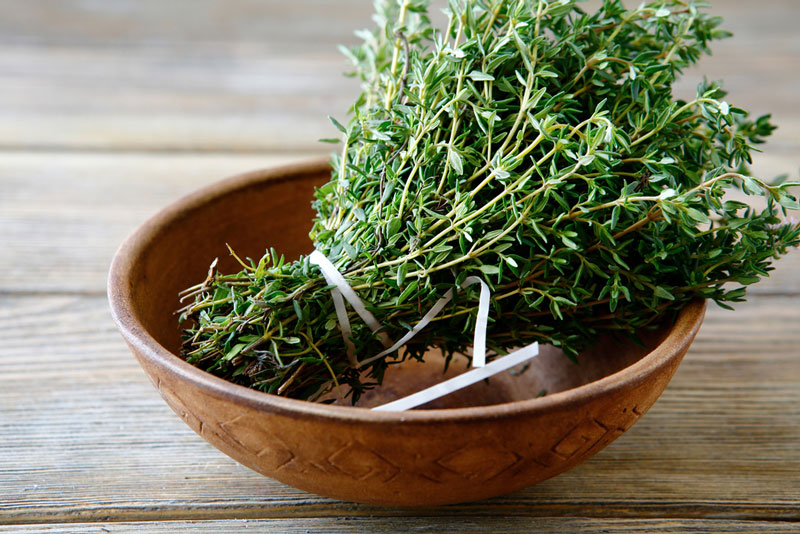
Can cats eat thyme? That’s a question that might pop into your head when you’re cooking or tending to your herb garden. The good news is that yes, cats can eat thyme! This aromatic herb is not toxic to cats, which means that a little sprinkle of thyme on their food won’t harm them. However, it’s crucial to consider how much they consume and whether they actually enjoy this herb in the first place. Now, isn’t that a relief for us herb-loving cat parents?
Thyme has a delightful and calming aroma that might even entice our feline friends. While some cats might sniff it and stroll away, others might find it a fascinating addition to their meals. Just picture the cute little scene of your cat curiously trying this new flavor. There’s something delightfully entertaining about our pets exploring new tastes, isn’t there? We all know how dogs seem less picky, but cats have their own unique culinary preferences! So, whether your furry friend is a gourmet cat or a picky eater, this article will offer more insight into the relationship between cats and thyme.
Stick around to learn all about thyme’s benefits and risks for our furry companions. We’re going to explore different aspects of this herb that may surprise you. Let’s see how it can affect our cats and what to keep in mind before adding it to their diet!
You might also be interested in: Can Cats Eat Sage?
Can Cats Eat Thyme?

Yes! Cats can safely consume thyme without it causing harm. In fact, thyme exists in many households, especially in kitchens where the aromatic flavor enhances various dishes. As herb enthusiasts, we might adore using thyme for its role in culinary brilliance. But what about our cats? Since thyme is a non-toxic herb, it’s generally safe for kitty consumption. That said, moderation is key. We never want to overwhelm our pets with too many new flavors at once!
Here’s the thing: Thyme isn’t inherently harmful to our fur babies, but some cats may not enjoy it. Just as we each have our own favorite foods, cats can be quite picky too! If you happen to sprinkle thyme on their meal for the first time, observe how your cats react. Some may eagerly dive in while others may sniff and turn away. That’s perfectly okay! The goal is not to create a culinary masterpiece but to see if thyme adds a bit of pizzazz to their mealtime experience.
There are various types of thyme out there, including common thyme and lemon thyme. While cats can eat these varieties, we want to ensure that our pets don’t consume excessive amounts. Cooking with thyme can release its flavorful oils that contribute to a pleasant aroma, making them engage their sense of smell in delightful ways. Always monitor your cat’s intake and make sure it complements their regular diet.
How Much Thyme Can Cats Eat?
When thinking about how much thyme to feed our furry companions, we need to keep in mind a few principles of responsible pet ownership. As with any new food, we want to start slow. The general rule of thumb is to introduce new flavors or ingredients in small amounts. Just a pinch is a nice starter size! Cats are sensitive to changes in their diets, and starting with a small amount reduces any risk of digestive upset. If your cat enjoys it and has no adverse reactions, we can gradually increase the amount offered at mealtime.
Let’s say our curious kitty shows enthusiasm for thyme and gets a little extra. While small bites won’t hurt, it is advisable to limit thyme to a few sprigs at a time. Think of it as a simple garnish to add an interesting taste. Cats are obligate carnivores, meaning that their diet primarily consists of meat. So, thyme should never replace their regular food but can occasionally serve as a fun addition.
If you notice your cat experiencing any hiccups or unusual behavior after a thyme treat, immediately discontinue the herb. Symptoms can range from slight discomfort to a more severe reaction. It’s good practice to inform your veterinarian if anything out of the ordinary happens. Keep in mind that cats’ preferences vary. Your cat might have a moment of intrigue for thyme and then decide it’s not for them, which is entirely natural.
While herbs like thyme can add little pizzazz to your cat’s food, moderation ensures they still receive proper nutrition. When in doubt, we can always consult our vet, who can provide personalized advice for dietary changes. Remember: small, tasty sprigs for our furry companions may lead to delightful moments at mealtime!
Benefits Of Thyme To Cats
1. Vitamins and Minerals: One of the significant benefits of thyme is its potential to provide some essential nutrients. Thyme contains vitamins A, C, and K and minerals like iron, manganese, and calcium. These nutrients might assist in maintaining overall health, a lovely bonus for our cats!
2. Antioxidant Properties: Another exciting benefit is thyme’s antioxidant properties! Antioxidants are compounds that help neutralize harmful free radicals in the body. By introducing small amounts of thyme, our cats receive an extra layer of protection for their bodies. In fact, some studies suggest that antioxidants can contribute to a longer lifespan for pets. Quite remarkable!
3. Calming Effects: Thyme’s unique scent may also have calming effects. As we share living spaces with our cats, introducing aromatic herbs might encourage relaxation in our feline friends. If we ever wonder why cats love to explore places with delightful fragrances, this could be a reason! It’s like giving our cats a little herbal spa treatment right in their food bowl.
4. Antibiotic Properties: We can’t neglect thyme’s natural antibiotic properties. Some of the compounds found in thyme might have mild antibacterial effects. While this shouldn’t replace any medication prescribed by our vet, having thyme on our side could be beneficial for our cat’s general health. With everyday love and care, we can help them maintain their wellness.
5. Aids in Digestion: Lastly, thyme aids in digestion! For those cats who might struggle with tummy troubles, a small amount of thyme can sometimes help support a healthier digestive system. We’ve probably all seen our cats gulping down food and later searching for a comfortable spot to relax. A little thyme could potentially assist them in feeling more at ease after mealtimes.
Dangers Of Feeding Thyme To Cats
While thyme offers several intriguing benefits for our feline friends, it’s important to be aware of potential risks and dangers. Though thyme is non-toxic, too much of a good thing can lead to issues. Giving our cats excessive amounts of thyme can result in gastrointestinal upset. Just like us, when cats consume new foods in large quantities, they may experience an upset stomach or diarrhea. This could lead to uncomfortable situations for both them and us.
In addition, allergies can happen! As we know, cats can be sensitive to certain foods, including herbs. Some cats may develop an allergic reaction to thyme, even if it’s considered safe. Keep an eye out for symptoms such as itching, skin irritations, or digestive issues. If any unusual reactions occur, it’s best to halt the thyme intake and consult our veterinarian. Our cats rely on us to keep them safe, so awareness is key!
Thyme should never replace a balanced diet. To be clear, it should be an occasional treat or garnish rather than a primary food source. Cats have unique dietary needs, focused mainly on protein from animal products. Thyme isn’t designed to meet their nutritional requirements and instead serves more of a fun factor than a dietary necessity.
Lastly, if you’re growing thyme in your home or garden, make sure it’s free from chemicals or pesticides that can be harmful to pets. While thyme itself is safe, additives such as fertilizers or sprays can lead to unexpected consequences. Let’s cultivate a safe environment for our curious fur babies so they can explore while staying healthy.
Substitute Of Thyme For Cats
1. Basil: If we’ve decided thyme is not the right herb for our feline friends, there are several substitutes we can consider. Basil is a popular choice! This herb is generally safe for cats and can add a refreshing touch to their meals. Just like thyme, it has its own unique flavor that might intrigue our furry pals!
2. Parsley: Another appealing option is parsley. This vibrant herb can be packed with nutrients and may help support our cat’s overall health. Some cat owners find that their pets enjoy the taste of parsley, making it a suitable alternative condiment to sprinkle on their meals!
3. Catnip: This is an obvious contender when looking for a cat-friendly option. Most cats go wild for catnip, and it can serve as a fun treat for your cat! While it requires different flavor profiles, catnip has its own set of benefits. Additionally, it can stimulate playful behavior in our cats. Who doesn’t want to give their furry friend something that brightens their day?
4. Mint: This is also a tasty substitute. Just like thyme, it has a wonderful aroma, and a few fresh leaves may be well received by our cats. We need to verify that our pets do not react adversely to mint and keep the servings moderate, as too much can cause tummy troubles.
5. Consulting with our Veterinarian: While we love exploring herbs, we should also remember to prioritize our cats’ well-being. Always check for any known allergies or sensitivities before introducing new herbs. Consulting with our veterinarian ensures we are on the right track in keeping our cats happy and healthy.
Can Cats Eat Thyme? Frequently Asked Questions
Is Thyme Toxic To Cats?
No, thyme is not toxic to cats, making it safe for them to consume in moderation.
Can I Give My Cat Thyme Regularly?
While cats can have thyme, it is best to provide it as an occasional treat rather than a regular addition to their diet.
How Can I Introduce Thyme To My Cat’s Diet?
Start by offering a small pinch of thyme mixed in with their food or as a treat. Observe how they react before increasing the amount.
What should I do if my cat shows adverse reactions to thyme?
If your cat shows any signs of discomfort or allergic reactions to thyme, remove it from their diet and consult your veterinarian for advice.
Are There Any Other Herbs That Are Safe For Cats?
Yes, basil, parsley, and catnip are some other herbs that cats can safely enjoy.
Final Thoughts
In summary, thyme can be a delightful herb for our cats if introduced carefully and in moderation. With all the potential benefits, it’s fun to explore its flavors, but let’s prioritize the health and nutritional needs of our furry companions. Thyme doesn’t replace their need for protein-rich food, but it can be a flavorful topper every now and then. Always keep an eye on our cats’ reactions and adjust accordingly. Above all, nurturing our pets with love, proper diet, and safe indulgences will lead to happy, healthy lives!
As we enhance our cats’ diets with herbs like thyme, don’t forget to check out some other fascinating topics about pet care, such as whether cats can eat basil and if cats can munch on grass. Our pets’ health and happiness are worth exploring further!