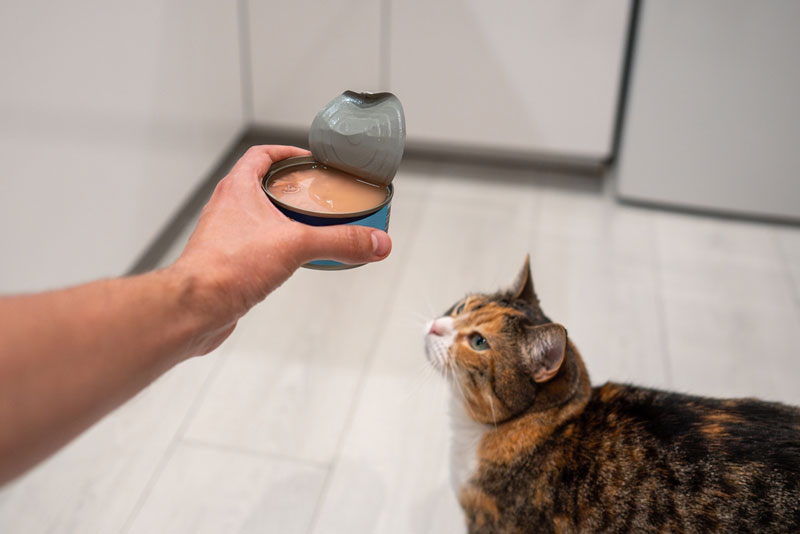
Have you ever found yourself wondering, can cats eat Starkist tuna? It’s a common question among pet owners, and the answer is yes Cats can indeed enjoy a little Starkist tuna safely, but there are some things we should know. While a small treat of tuna can be a tasty delight for our feline friends, there are important considerations regarding their health and diet.
Just like we wouldn’t want to feed our cats dinner every night from the takeout menu, tuna shouldn’t be their main course either. Cats can develop some health issues if they eat tuna too often! Come along as we explore the ins and outs of whether Starkist tuna is a good idea for our pets.
So, stay tuned as we discuss the right amounts to feed, the benefits, risks, and even some other tasty alternatives that your kitty might love just as much as fishy tuna!
You might also be interested in: Can Cats Eat Canned Tuna?
Can Cats Eat Starkist Tuna?
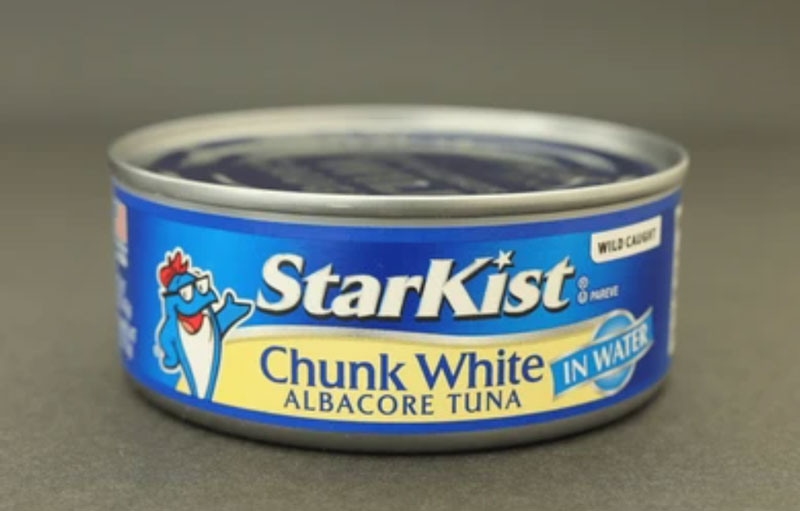
Did you know that cats are obligate carnivores? This means they need meat to survive, and they love fishy flavor! Starkist tuna can be a tasty treat for our furry friends. It is packed with protein and Omega-3 fatty acids, which can be beneficial to a cat’s health. However, we should always be cautious. Too much tuna can lead to some serious health issues in cats. While they may think they’re dining like royalty, we need to consider a few things to keep them safe!
When giving our cats a bite of Starkist tuna, we should only do this occasionally. Even though tuna is delicious, it shouldn’t replace their regular cat food. There are additives and ingredients in many canned tunas that are not ideal for our kitties. Always check the label to ensure there are no harmful ingredients. Cats are super picky about what they eat and who can blame them? A little flavor goes a long way!
How Much Starkist Tuna Can Cats Eat?
Now let’s chat about how much Starkist tuna we can safely share with our furry pals. As a general rule of thumb, it is best to treat tuna as an occasional snack rather than a meal replacement. Cats can safely eat a spoonful of tuna every now and then. However, we mustn’t go overboard! Too much tuna can lead to mercury build-up in our cats’ systems. Cats are smaller creatures, and everything they eat can affect them more than it would us!
Remember that this delicious fish contains high levels of phosphorus and sodium. If our cats are eating too much, they can develop issues with their kidneys and other organs. So, keep this snack rare. Think of it as an occasional “fancy” treat for their birthday or just to celebrate an extra snuggle session!
On average, a couple of teaspoons every couple of weeks is a good guideline. Make sure to remove any bones or large chunks that could pose a choking hazard. Besides just keeping our cats healthy, it makes feeding times a little more exciting!
We can also use tuna as a training incentive. If our cats behave well, we can reward them with that special treat! Just remember to keep the portions small and appropriate. Let’s keep our tuna treats special without turning them into a daily occurrence, because then it loses its spark!
So, when we think about how much tuna to serve, moderation is our best friend. A little tuna can make our cats supremely happy. Hey, they deserve a little joy now and then, don’t they?
Benefits Of Starkist Tuna To Cats
1. Build Strong Muscles: Tuna is a great source of protein! Just like in humans, protein helps our cats build strong muscles. Cats love the taste of tuna, and when they eat it, they’re getting the nutritional benefits they need as part of a balanced diet. Our fur babies can benefit from that protein boost.
2. Healthy Skin: Omega-3 fatty acids are key components in tuna. They support healthy skin and fur, helping our cats appear their best! Just picture your kitty with a shiny coat. It’s not only aesthetically pleasing, but it also means that your cat is healthy and happy.
3. Boosting Appetites: For picky eaters, a sprinkling of tuna can work wonders! If our cats turn their noses up at their regular food, adding a little tuna can get them interested again. It can sometimes encourage them to eat necessary nutrients that they might be lacking otherwise.
4. Giving Medication: Tuna can also be used to disguise medicine. If we find ourselves in a predicament where our kitty is unwell and needs medication, tuna can be our secret weapon! Tucking tablets into tuna makes the experience less stressful for both us and our cats.
5. Strengthen Loveable Relationship: Lastly, it can be a bonding experience for us and our cats. Sharing an occasional treat such as tuna while we snuggle can strengthen that loveable relationship we all cherish. It can turn an ordinary moment into something special!
Dangers Of Starkist Tuna To Cats
While tuna can offer plenty of benefits, we do need to be aware of the potential risks too. Cats can actually become addicted to tuna, whining for it every time they hear the can opener. This is one of the first pitfalls we might face! On top of that, if the tuna is fed too often, our cats can face nutrient imbalances.
Another caution we need to keep in mind is that tuna, especially if it comes from tins, can be very high in sodium and preservatives. If cats consume too much sodium, it can create kidney problems over time. Maintaining their urinary tract health is critical!
Mercury is another serious concern. Fish in general can contain mercury, and tuna is no exception. The larger the fish, the more mercury they may contain. Cats can experience serious bodily harm from consuming high levels of mercury. Long-term exposure can lead to severe health issues, including neurological problems.
Even if we think we’re safe, a small taste here or there can affect our littles ones in big ways. If we inadvertently provide them with a steady diet of tuna over time, we might be looking at some health issues down the road. We always want what’s best for our furry friends. A guardian’s love is deep, and it goes hand-in-paw with their health!
So, let’s remember to treat tuna like a special occasion snack! Moderation is the answer to making our cats happy without compromising their health.
Substitute Of Starkist Tuna For Cats
1. Cooked Chicken: If we want to keep our cats happy without the risks of tuna, we can try alternatives like cooked chicken or turkey! It’s a great source of protein and can be safely incorporated into their diet. Not only do these foods offer similar meat benefits, but they are less likely to include high mercury levels.
2. Salmon: Another alternative could be salmon! When cooked properly, salmon is rich in Omega-3 fatty acids like tuna without some of the harmful effects. Just remember to prepare it simply. No fancy sauces here!
3. Canned Pet Food: It can also be a beneficial addition. Many brands offer delicious fish-based flavors that cater specifically to our cat’s needs, avoiding the risks associated with human food.
4. Fish: We can also consider feeding plain canned mackerel, anchovies, or sardines. These alternatives are similar to tuna, providing essential nutrients with fewer risks.
5. Cat Treat: Lastly, let’s not forget about an occasional cat treat! Preparing catnip cookies or snacks can be another way to spoil our furry friends without relying on fish products. Baking with healthy ingredients can be fun, not to mention rewarding for both us and our cats!
Can Cats Eat Starkist Tuna? Frequently Asked Questions
Can My Cat Be Allergic To Tuna?
Yes, some cats can have allergies to fish, including tuna. If you notice vomiting or skin issues after feeding them tuna, it may be best to stop and consult a veterinarian.
Is Starkist Tuna Better Than Store Brands?
Brand matters! Starkist tuna can be a bit more reliable, but it’s essential to read labels. One thing to look for is how much sodium is in the product.
Can Kittens Eat Starkist Tuna?
Kittens can eat a little Starkist tuna, but stick to special kitty food as their main source of nutrients. We want them growing strong and healthy, just like our love for them!
Can I Feed Tuna Every Day?
Feeding tuna every day isn’t recommended. We should keep it special and use it as an occasional treat.
What Can I Do If My Cat Eats Too Much Tuna?
If our cats have consumed a lot of tuna, watch for any signs of illness and contact our veterinarian if they exhibit any unusual behavior.
Final Thoughts
As we wrap this up, we’ve explored the delightful world of Starkist tuna and its place in our cats’ lives. These fishy treats can bring joy to our furry friends while also providing some nutritional perks, but with great joy comes great responsibility! Moderation is key, and we must navigate this tasty snack wisely for the health and happiness of our pets.
Our feline companions deserve the best, and with a little bit of knowledge on hand, we can treat them to tuna on special occasions while keeping their health in mind. Remember to explore other topics, too! If you’re curious about what other human foods are okay for pets, check this out about cats and tuna in oil. Let’s keep our furry families happy and healthy, together!