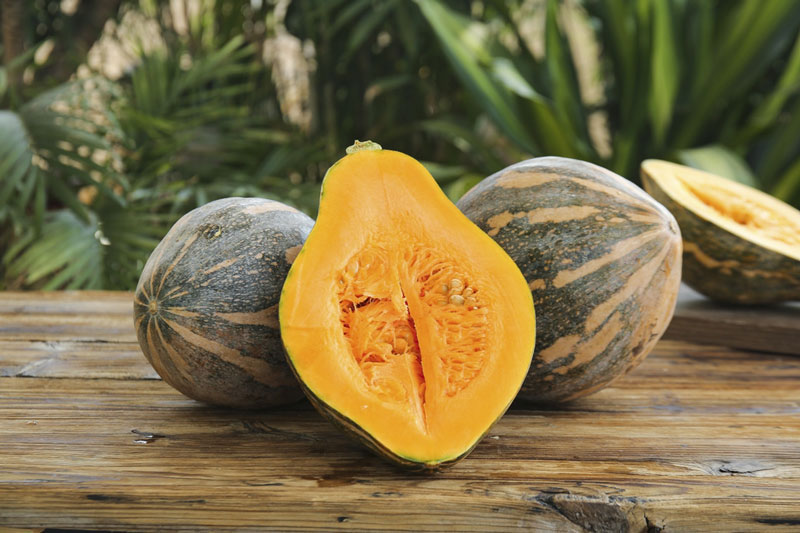
Have you ever wondered if your furry friend can munch on some squash? Well, the answer is yes! Cats can eat squash, and it can actually be a healthy addition to their diet in moderation. This tasty vegetable is packed with nutrients that can be beneficial for your little buddy.
Just imagine your cat, with its curious nature, eyeing that vibrant squash on your kitchen counter. It might not be the most common food option for cats, but squash is safe for them and might even delight their taste buds. It’s important to prepare it properly, of course, to keep our feline companions happy and healthy.
So stay with us as we explore all there is to know about cats and squash! We’ll cover everything from how much squash is appropriate for your cat to the benefits and risks involved. You won’t want to miss out on this! Let’s get started!
You might also be interested in: Can Cats Eat Butternut Squash?
Can Cats Eat Squash?
Let’s dig into the juicy details of whether cats can safely indulge in squash! Cats, being obligate carnivores, primarily thrive on a diet of meat. However, that doesn’t mean they’re complete strangers to fruits and vegetables. In fact, some cats enjoy a taste of veggies, and squash can be one of them. Cats can safely eat squash like zucchini, butternut squash, and acorn squash. These varieties offer a rich flavor mixed with all sorts of beneficial vitamins and minerals.
When introducing squash to your cat’s diet, think of it as a side dish rather than the main course. Cats aren’t designed to eat large quantities of vegetables, so moderation is key. That means serving small portions now and then. We can take cues from nature, as some wild cats may munch on the plant material they find in their environment; it can be a little mystery how much they enjoy these flavors!
How Much Squash Can Cats Eat?
Now let’s talk about how much squash should we share with our kitty friends! Squash can add some fun to their meals, but we’ve got to be cautious about portion sizes. Cats have tiny tummies, and introducing too much new food can lead to tummy troubles. To start, we can offer our feline friend a small amount—about a teaspoon—to see how they react. Not all cats will enjoy squash, but many might take to it instantly.
After the introduction, we can slowly increase the portion size. Cats can consume squash in small servings 2 to 3 times a week. But remember, each cat is unique, so observation is our best friend! Keep an eye on their behavior and litter box results. If there are any signs of discomfort or upset stomach, we should go back to smaller portions. It’s all about finding what works best for our feline companions and keeps them purring with delight.
It’s best to avoid serving raw squash, as it can be hard for our cats to digest. Instead, cooking the squash—steaming it lightly or baking it until tender—will make it softer and more digestible for our furry pals. Plus, cooking brings out the awesome flavor! Just keep it simple: skip the salt and spices to ensure it remains a healthy treat.
Slice it into small pieces or mash it up for easy eating. Always remember to let it cool before offering it to your kitty. If the squash is too hot, it might be a delicious meal turned into a cat’s worst nightmare!
Benefits Of Squash To Cats
1. Vitamins and Minerals: Squash is jam-packed with essential vitamins like A, B6, and C. Vitamin A is crucial for maintaining our cats’ good vision and keeps their skin healthy. It’s like giving them superhero eyes! Additionally, this vegetable contains potassium, which helps balance their blood pressure and promotes heart health.
2. Fiber: Squash is a great source of fiber, which can aid our cats’ digestion. A little fiber can help regulate their digestive system and ensure that they don’t suffer from constipation—a common issue for many cats! With the right amount of fiber, each mealtime can be a breeze!
3. Hydration: Did you know that squash has a high water content? It’s true! This can help keep our cats hydrated. Cats can sometimes be picky drinkers, and squash can be a fun way to promote hydration while providing some additional nutrients. Win-win!
4. Weight Control: If our feline friends need to shed a few extra pounds, adding a small amount of squash can help! This low-calorie veggie can be a great treat that satisfies them without adding too many calories. It can be like a delicious diet buddy that helps support their weight management plan!
5. Variety: We all know that cats can get bored with their food over time. Introducing squash can add some excitement to their meals, giving them a new flavor to enjoy. They may relish the unique taste while we enjoy watching them happily munch away!
Dangers Of Feeding Squash To Cats
Even though squash can be a delightful addition to our kitties’ diet, we must also be aware of the potential risks and dangers. As with all things, caution is key! While squash is safe for most cats, it can lead to tummy troubles for some sensitive souls. Too much squash can result in diarrhea or upset stomach, which can turn our cuddly companions into grumpy felines. We want to avoid any discomfort!
Not every squishy veggie is ideal for our furry friends. We must always be cautious and know which types of squash are safe. Zucchini, butternut, and acorn squash are generally safe, but we should always research specific varieties beforehand. For instance, wild squashes or those heavily seasoned with spices may not be suitable due to toxicity concerns.
Another risk could be allergies. Some cats might be allergic to squash, causing hives or gastrointestinal issues. It’s essential to monitor our furry friends after introducing new foods, though allergies to squash are rare. If we notice any concerning symptoms after our pets try squash, it’s wise to consult our vet right away.
As we’ve mentioned before, always prepare squash properly. Raw squash can be tricky for cats to digest and might lead to discomfort. Steaming or baking squash is the safest way to keep its nutrients intact while ensuring it’s easy for our furry ones to enjoy. Be sure to skip any added salt or spices, as these can be harmful. Always remember: simple is best!
In the end, while squash can make a wonderful treat for our cats, understanding our furry buddies’ dietary needs and individual tolerances is the foundation of responsible pet ownership. Observing our cats closely and consulting our vet when unsure is always a good idea!
Substitute Of Squash For Cats
1. Carrots: If squash isn’t your cat’s cup of tea or if you’re concerned about introducing it, carrots can be a fantastic substitute! Just like squash, carrots are full of vitamins and slightly sweet flavors that many cats enjoy. Cook them up, slice them, and watch your kitty indulge in the crunch!
2. Sweet Potatoes: This tasty treat is packed with nutrients and can be similarly prepared to squash! Just like squash, sweet potatoes are a great source of fiber and vitamins, while providing a slightly sweet taste. Remember to prepare them simply for safe eating!
3. Peas: If your cat enjoys the green goodness, peas can be a colorful way to spice up their meals! They are high in protein and vitamins. Plus, those little round gems can be fun for cats to chase around the house!
4. Green Beans: Having a vegetable medley for our cats can be delightful! Green beans are low in calories and full of fiber, making them an excellent addition to your cat’s meals. Like squash, they’re great for digestion and keeping our kitties feeling full.
5. Pumpkin: Much like squash, pumpkin (especially pureed) can be great for our feline friends! It’s another delicious source of fiber and nutrients that can help with digestion. Many cats love the taste of pumpkin! Just remember that we should always use plain pumpkin puree without added sugar or spices!
Can Cats Eat Squash? Frequently Asked Questions
Can Squash Be Harmful To Cats?
In moderation, squash is safe for most cats. However, overindulgence can lead to stomach upset. Prepare it properly, and always keep an eye on your furry friend to ensure they’re feeling good!
How Should I Prepare Squash For My Cat?
Cook the squash until it’s tender and cool it down before serving. Be sure to skip any salt or spices! Just keep it simple, and your cat will appreciate it.
Can Kittens Eat Squash?
It’s best to consult a veterinarian before introducing squash to a kitten’s diet. Their tummies can be sensitive, so moderation and careful observation are vital.
Is It Safe To Feed Cats Other Vegetables?
Yes, many cats enjoy small servings of veggies like carrots, peas, and green beans! Just be cautious about which vegetables you choose and keep an eye on their reactions.
Is Squash Nutritious For Cats?
Absolutely! Squash is packed with vitamins, minerals, and fiber that can benefit your cat’s health when served responsibly.
Final Thoughts
In conclusion, we now know that cats can safely enjoy squash in moderation. It’s a delightful, nutritious treat that can support their overall health while adding variety to their meals. However, always maintain proper portion sizes and be cautious about new foods. Watching how our kitties react will help us make the best choices for their diet!
As we embrace this colorful culinary adventure together, let’s not stop here! There’s a vast world of exciting topics to continue exploring. Want to learn if cats can eat pumpkin? Check out this article. Or perhaps you’re curious about what other pets can munch on—take a look at this piece. The joy of pet ownership is a lifelong journey of love and care. Keep thriving with your furry friend!