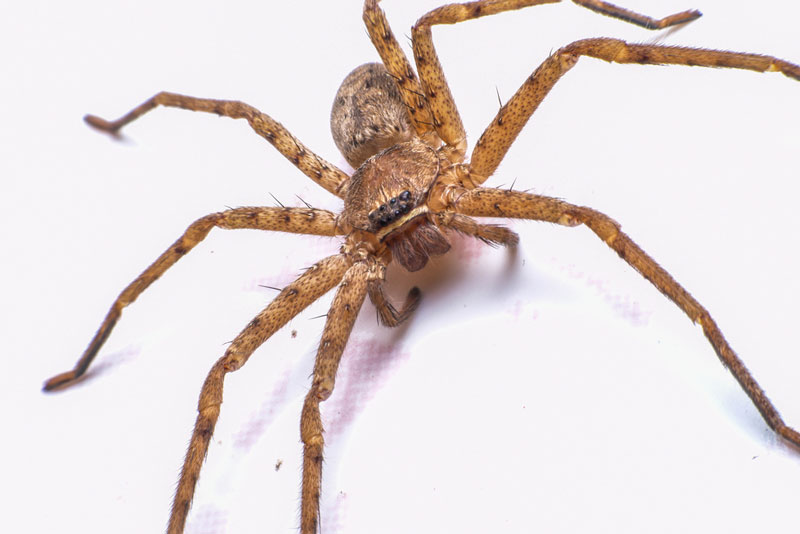
Have you ever wondered if your feline friend has a taste for creepy crawlies? Can cats eat spiders, and is it safe for them? Well, it turns out that yes, cats can eat spiders! While it’s not a typical dish on their menu, our furry companions often enjoy chasing after and catching all sorts of bugs, and spiders are no exception. But before you start letting your cat indulge in bug snacks, there are some important things we should know.
Cats are natural hunters. Their instincts drive them to stalk, pounce, and gobble up anything that moves. This includes all kinds of insects and, yes, even spiders. While it might seem strange to imagine a cat eating a spider, it’s actually quite common! Yet, just because they can eat them doesn’t mean that it’s always safe or recommended. Think of it as a culinary adventure that could lead to unexpected consequences. Remember, we’re looking out for our furry pals, so let’s make sure you stick around to learn more about this subject.
As we explore this topic, we’ll cover everything from the benefits and risks of cats eating spiders to understanding how much they can safely consume. So grab a comfy spot, maybe your own snack, and join us on this fun journey about our beloved cats and their unique eating habits!
You might also be interested in: Can Cats Eat Roaches?
Can Cats Eat Spiders?

When we think about cats, we often picture them prowling around like proud little lions, ready to pounce on anything that moves. So, can they actually eat spiders? The answer is yes; in small amounts, eating a spider is generally safe for cats. Cats are obligate carnivores, which means their bodies are designed to process animal protein and fat. Spiders, being protein-rich, fall into this category.
Our furry friends have an innate drive to hunt insects, including spiders, which makes them more than capable of catching and munching on these little critters. It’s important, however, to note that not all spiders are created equal. While most common house spiders pose no threat, some species can be dangerous or even venomous to our furry companions. This is why we must be cautious about which spiders our cats might encounter.
It’s good to remember that a cat’s instinct to hunt is perfectly normal. If you’ve seen your kitty batting around a spider like it’s a toy, she is simply indulging her natural instincts. Some cats love to chase bugs; it just adds to the excitement of their day. We have to admit; it’s quite entertaining to watch them in action, isn’t it? However, we need to be vigilant about what they catch to ensure their safety.
While most spiders don’t pose a risk, being mindful of the venomous varieties in your area is wise. For example, black widow spiders and brown recluse spiders can be harmful or even fatal to pets. If you’re uncertain about the spiders your cat may come across, best to keep them indoors to protect them from potential danger. So yes, cats can eat spiders, but a little caution goes a long way!
How Much Spiders Can Cats Eat?
So, how much spider is actually safe for our furry pals? Cats may exhibit a fascination for chasing and catching spiders, but moderation is the key! Since they are small creatures, the occasional spider should not cause any major issues; however, it’s best to limit their intake. Think of it this way: just because we munch on popcorn at the movies doesn’t mean we should have an all-you-can-eat popcorn buffet. The same philosophy applies to little critters like spiders.
In most cases, if a cat eats a small spider, it is unlikely to experience any adverse effects. However, we should always be cautious. If your cat catches a spider, it’s essential to observe its reaction afterward. Generally, if the spider is not one of the venomous types and is just a regular house spider, our furry friends will be fine. However, consumption of multiple spiders or a large spider potentially leads to digestive issues such as upset stomach, vomiting, or diarrhea. It’s important to know how much is too much and to bear in mind that even though they have furry little bellies, they aren’t made of steel.
Another consideration is if your cat has any allergies or preexisting health issues—they may be more sensitive to what’s considered a harmless snack for others. If you notice changes in your cat’s behavior after eating a spider, it’s wise to reach out to a veterinarian for advice. Keeping an eye on our four-legged friends ensures they’re happy and healthy.
Further hint: while it might be entertaining to watch our little hunters in action, ensuring they have a balanced diet based on cat food is crucial. We can think of spider snacking as a brief side-show in our cat’s daily life—a fun and thrilling experience but not their primary source of food.
In summary, while cats can enjoy the occasional spider, they should not be served as a regular meal. If your kitty catches a little bug, it’s usually nothing to worry about. Moderation, observation, and a balanced diet are vital to keeping our beloved companions healthy and happy!
Benefits Of Spiders To Cats
1. Natural Instincts: Allowing our cats to eat spiders helps satisfy their natural hunting instincts. Cats are wired to chase, pounce, and capture their prey, and every successful hunt gives them a sense of fulfillment. When they eat a spider, they might feel like they have truly demonstrated their hunting prowess—celebrating the thrill of the chase!
2. Nutritional Value: Believe it or not, spiders can also offer a small source of protein and necessary nutrients for our feline friends. This healthy snack offers a minuscule boost without all the calories found in typical cat food. While tiny insects shouldn’t replace their regular diet, an occasional spider might provide an interesting little snack that helps support their dietary needs!
3. Stimulating Activity: Watching our cats ‘hunt’ is not only entertaining for them but also keeps them mentally stimulated. Engaging in their natural hunting behavior helps to keep their brains sharp and can promote better overall health. Plus, it’s a good workout as they run, leap, or pounce. We’re all for anything that keeps our furry companions fit and active!
4. Pest Control: Having a cat that enjoys catching bugs, like spiders, can also serve as an effective method in pest control. Cats can help keep our homes relatively bug-free. The more spiders they catch, the fewer will be lurking around to cause distress for us or them. Talk about an added bonus to having a feline friend!
5. Bonding Time: Observing your cat as they pursue a spider can create opportunities for bonding. Cats are often more engaged when they’re in ‘hunt mode,’ so enjoying their hunting antics—even if it’s not something we might consider a gourmet meal—can create fun moments between us and our furry buddies.
Dangers Of Feeding Spiders To Cats
Even though cats may enjoy munching on spiders, we must remain aware of the potential risks and dangers involved. The first and foremost concern should be the type of spiders present in the environment. As previously mentioned, while most spiders, like common house spiders, are harmless, some venomous varieties can lead to health issues for our furry friends.
Two of the most commonly known harmful species are the black widow and the brown recluse. These spiders possess venom that can seriously harm or even kill a cat if ingested. Thus, it’s best to learn which spiders lurk in your area and how to identify them. If your cat spends time outdoors, being cautious about monitoring their surroundings is essential to keep them safe.
We also have to consider the possibility of our kitties suffering digestive issues when they eat spiders. If your cat unexpectedly ingests several spiders or larger bugs, it might lead to vomiting or diarrhea. No one likes having to clean up messy situations, and our pets certainly don’t want to feel unwell! Monitoring them for any adverse reactions after an outdoor adventure can help catch any problems early on.
If your cat is a frequent spider-eater and suddenly stops eating or shows signs of lethargy, it’s crucial to seek veterinary care immediately. There may be something more severe happening, and we must act in our pets’ best interests.
In addition to health concerns, there can be a hygienic element to worry about. Some spiders may carry parasites or harmful bacteria that could compromise your cat’s health. In this case, exposure can be harmful and potentially lead to disease transmission. Keeping your furry companions away from pests is always a good idea.
All things considered, letting our cats indulge in the occasional spider may be part of their natural behavior, but it’s essential to keep an eye on their health and ensure they are safe while doing so. Knowledge is power, so make sure you’re aware of what’s nearby before allowing your cat to roam free.
Substitute Of Spiders For Cats
1. Cat Treats: Instead of letting your cats snack on spiders, consider investing in some high-quality cat treats designed specifically for feline snackers. There are plenty of options available that can satisfy your cat’s cravings while ensuring they are getting proper nutrition without any risks involved!
2. Cooked Protein: Like humans, our pets appreciate some variety in their diet. Offering small pieces of cooked chicken or turkey can be a delicious treat that provides protein much safer than catching spiders! You can also try other cooked meats like fish or lean cuts of beef, which can be delightful for them.
3. Freeze-Dried Insects: If you want to give your kitty a taste of the wild without the risk, consider freeze-dried insects made specifically for pet consumption. They provide a crunchy texture and a protein boost without the dangers associated with live bugs. It’s a safe way to appease our cats’ hunting instincts!
4. Catnip: For an alternative treat, we can explore catnip! Many cats adore catnip, and this herb can provide a joyful experience for them. Offering catnip can encourage playfulness and help keep our furry friends entertained!
5. Interactive Toys: Instead of letting them feast on insects, why not offer interactive toys that stimulate their hunting instincts? Fishing rod toys or laser pointers provide excellent entertainment for our cats, and they engage their natural behaviors without the need to catch real bugs!
Can Cats Eat Spiders? Frequently Asked Questions
Are All Spiders Safe For Cats To Eat?
Not all spiders are safe for cats! Common house spiders are usually harmless, but venomous species like the black widow or brown recluse can be dangerous. It’s essential to identify spiders in your home and remove any potentially harmful ones.
What Should I Do If My Cat Eats A Poisonous Spiders?
If your cat consumes a poisonous spider, it’s critical to contact your veterinarian immediately. Monitor them for any unusual behavior, and keep them calm and comfortable while seeking professional help.
Can Spiders Harm My Cat When They Bite?
Yes, spider bites can harm our cats. Some species have venom that can lead to severe health issues. Always be cautious about which spiders are in your surroundings and keep an eye on your kitty’s behavior if they get bit.
How Can I Prevent My Cat From Eating Spiders?
The best way to prevent your cat from eating spiders is to maintain a clean environment and vacuum regularly. Keeping outdoor areas free of weeds and maintaining screens on windows and doors can also reduce spider presence in your home.
Should I Stop My Cat From Hunting Spiders?
Letting cats indulge in their hunting instincts is natural and satisfying for them. However, we should monitor what they catch and ensure their safety overall. Encourage them to play with safe toys instead if you’re worried about their health.
Final Thoughts
In closing, while cats can eat spiders, it’s essential to approach this topic with caution. Their natural instincts make it entertaining to see them attempt to catch creepy crawlies, but we always need to be aware of the potential risks involved. Regularly checking our homes for hazardous spiders while ensuring our feline friends have safe alternatives for snacking is a great way to protect them.
So let’s embrace our cats’ quirks while keeping their safety at the forefront of our minds. There’s so much to explore within the realm of keeping our pets healthy and happy; for more fantastic insights, check out some other topics, like whether cats can eat ants or crickets. Happy pet parenting!