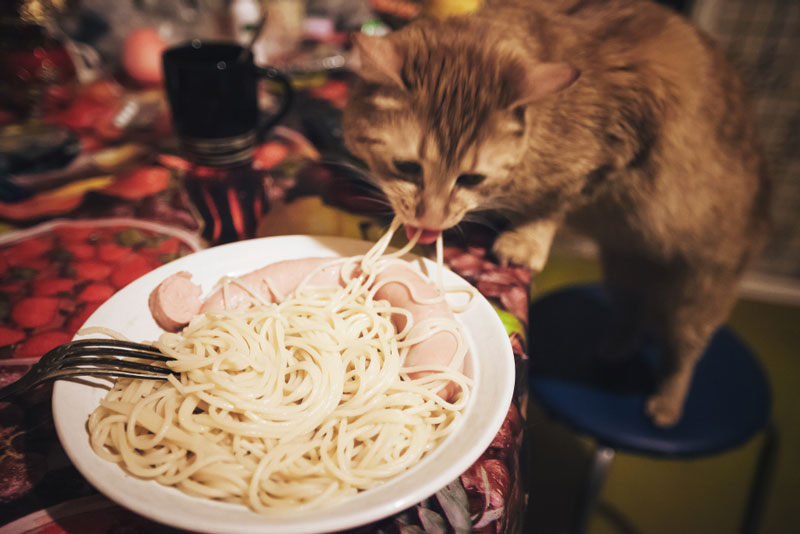
Have you ever wondered if our furry little friends can chow down on our favorite plate of spaghetti? Well, wonder no more! While it might bring joy to our hearts to share a delicious bowl of spaghetti with our cats, the truth is that it isn’t the best food choice for them. Cats can eat spaghetti, but it’s essential to be mindful of how it’s prepared and in what quantities.
Just like us, our feline companions have specific dietary needs and restrictions. Cats are obligate carnivores, which means they primarily need meat in their diet to thrive. That said, every once in a while, a little taste of spaghetti might not hurt them. However, we should always remember that too much pasta or sauce can lead to digestive issues for our beloved pets.
So, if you want to learn more about whether cats can enjoy spaghetti and what the potential impacts on their health might be, keep reading! We’ll explore everything you need to know about spaghetti and our cat pals, including how much is safe, the benefits and risks, tasty alternatives, and frequently asked questions.
You might also be interested in: Can Cats Eat Ramen Noodles?
Can Cats Eat Spaghetti?
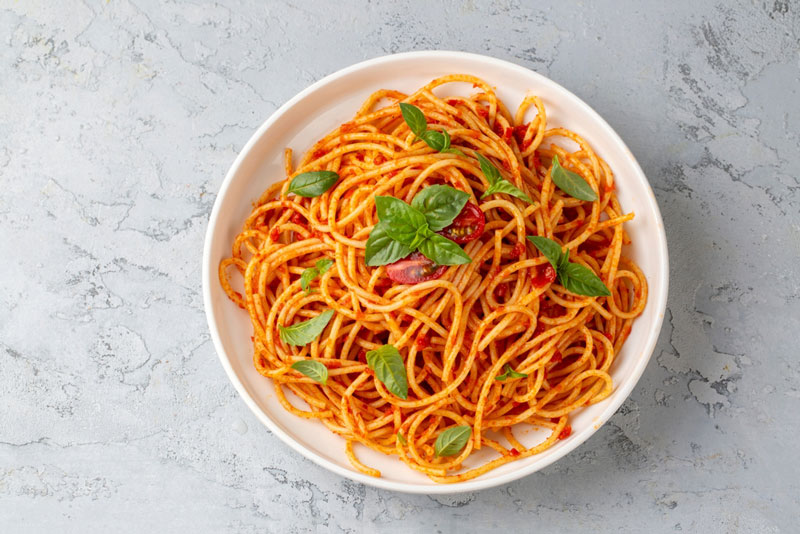
Let’s get right into answering the big question: can cats eat spaghetti? The short answer is yes, but with caution. Cats aren’t naturally inclined to eat carbohydrates like pasta. Their bodies are much more efficient at processing protein, which is why they thrive on a meat-based diet. Yet, you might be surprised to see how many cats are intrigued by the delicious aroma of spaghetti wafting through the kitchen!
If you do decide to share a tiny piece of plain spaghetti with your cat, it’s crucial that it is cooked without any additives like butter, garlic, or onion. These ingredients can be harmful to cats, and even small amounts can lead to serious health problems. For instance, garlic and onion can be toxic to cats, causing lethargy, vomiting, and diarrhea. This is why it is vital to keep any toppings or flavored sauces away from our feline friends.
When it comes down to it, spaghetti is not a necessary part of our cats’ diets. While the noodle itself is generally safe in small amounts, it does not provide any nutritional benefit that would justify feeding it to them regularly. Think of it as a rare treat instead of a staple in their meal plan. If you’ve got a pasta-loving kitty, you can let them nibble on a plain noodle occasionally, but don’t make it a habit!
How Much Spaghetti Can Cats Eat?
When it comes to portions, moderation is key. If you’re curious how much spaghetti your beloved pet can consume, you can start by offering a small piece about the size of a single noodle. This way, you’re only introducing a tiny amount into their diet, allowing your furry friend to taste something different without overdoing it.
For those adventurous cat owners who want to mix it up and try new things, it’s worth noting that cats’ digestive systems are not designed for large quantities of carbohydrates. A few strands of spaghetti at a time is best to avoid tummy troubles. Too much pasta can cause an upset stomach, leading to vomiting or diarrhea. We don’t want our precious kitties to suffer just because we want to share a snack, right?
Listening to your cat’s body is the most important thing. If they seem to enjoy the taste of the plain spaghetti you’ve offered and show no adverse reactions, you might add those small portions occasionally to their diet. Always keep track of any changes in their bathroom habits or energy levels after a new food introduction. Their health should always come first!
In summary, if you’re tempted to treat your cat to some spaghetti, it’s crucial to keep portions small and infrequent. Your feline friend isn’t a little carb-loving pasta monster; they’re primarily meat eaters who rely on protein for essential nutrients and energy. Let’s continue learning about the potential benefits and risks of spaghetti in our cats’ diets.
Benefits Of Spaghetti To Cats
1. A Simple Treat: One possible benefit of giving your cat a small piece of plain spaghetti is the sheer joy it brings. Cats can be curious creatures, and introducing new textures to their diet might stimulate their senses and keep mealtime exciting! Your cat may enjoy this little change in routine, leading to a happier and more engaged pet.
2. Texture Variety: Another perk of feeding your cat a small amount of spaghetti is the introduction of a new texture to their food experience. Cats can be picky eaters, and adding variety in food form might encourage them to eat more or be less picky. It’s not uncommon for cats to enjoy different textures, so a noodle might just pique their interest!
3. Bonding Time: Sharing food with our pets can increase the bond between us. Feeding your cat a treat such as spaghetti allows for quality interaction time, which can deepen the trust and affection in your relationship. Spending more time together is a significant benefit for both you and your furry companion.
4. Fun for Picky Eaters: If your cat has been particularly finicky with their regular meals, offering a small piece of spaghetti here and there might tempt them to eat something they otherwise wouldn’t. We understand the struggle of getting our occasional picky eaters to dig into their food—we certainly want them to eat a delicious meal, and spaghetti could help with that.
5. No Harmful Ingredients: If offered plain and free from harmful toppings, spaghetti poses little threat to your kitty’s well-being. Remember, moderation is essential! Though it doesn’t provide any direct benefits for your cat’s health, sometimes variety and a treat can be just what they need to keep their spirits high.
Dangers Of Feeding Spaghetti To Cats
As we’ve established, cats can eat spaghetti, but it doesn’t come without risks. Keeping your feline family members healthy is our priority, so here are some things to consider:
An upset stomach is one of the most common side effects of giving our cats human food. Cats’ digestive systems have evolved primarily to digest meat, and pasta doesn’t provide adequate nutrition. If you feed your cat too much spaghetti, they can suffer from various digestive issues, including gas, bloating, or diarrhea.
Ingredients in pasta dishes can also pose significant risks. Many sauces we love to pour over our spaghetti contain harmful elements for our cats, like garlic, onions, and high-fat content. These ingredients should never be given to our furry friends as they can lead to toxicity. It’s critical to ensure that no sauce or seasoning is mixed in with the spaghetti before sharing it with your cat.
Lastly, we can’t overlook the nutritional imbalance that spaghetti brings. Cats strictly need protein to thrive. By introducing spaghetti and taking up valuable stomach space, kitties might miss out on essential nutrients from their actual meals. There isn’t any significant benefit from this carb-loaded food that can outweigh the numerous risks it poses.
To keep our cats safe, let’s stick to their natural diet filled with high-quality proteins and maintain any treats as an occasional delight instead of a regular addition. Care is critical when deciding how much to share and when. Now that we’ve examined the risks, let’s look at some great alternatives to keep our furry friends happy and healthy!
Substitute Of Spaghetti For Cats
1. Plain Cooked Chicken: If you want to treat your cat, consider offering small bits of plain cooked chicken instead of spaghetti. Chicken provides fantastic protein that cats need for strength and health and can be a delightful treat they will love. Make sure to cook it without any seasonings or additives for their safety!
2. Turkey: Turkey is another high-protein option, and many cats go wild for its taste. Like chicken, cook it plainly without any spices or seasoning. Offer small bite-sized pieces for your furry friend to keep things exciting during mealtime.
3. Canned Tuna: A favorite for many cats, canned tuna can be a tasty alternative to try! However, be cautious about how often you give it, as it can contain high levels of mercury, which isn’t great for their health in excessive amounts. A few small treats occasionally should keep your cat happy without compromise!
4. Fish-based Treats: Fish-based treats are an easy and delightful way to offer variety without resorting to carbohydrate-loaded pasta. Many options are packed with protein and contain essential nutrients, making sure your feline friend gets a healthy snack.
5. Commercially Made Cat Treats: There are countless high-quality cat treats out there in pet stores, made specifically for cats and their nutritional needs. Grab a bag of these treats instead of sharing pasta with your kitty, and you will be doing them a big favor with their health while giving them something special.
Can Cats Eat Spaghetti? Frequently Asked Questions
Is Spaghetti Safe For Cats To Eat?
Yes, but only in small portions and without any seasoning or sauces. Spaghetti isn’t harmful in tiny amounts, but it should not be a significant part of their diet.
Will Spaghetti Hurt My Cat?
Feeding your cat too much spaghetti can lead to digestive issues and nutritional imbalances. Avoid adding any harmful ingredients like garlic or onion, and keep servings small.
Are There Better Foods For Cats Than Spaghetti?
Absolutely! High-quality proteins from meat sources, like chicken or turkey, provide essential nutrients that help your cat thrive. Stick to these options for their meals rather than carbs like spaghetti.
Can Cats Eat Pasta With Sauce?
It’s best to avoid giving your cat any pasta with sauce. Ingredients in sauces can be harmful to cats, and it can make a harmless treat problematic.
How Often Can I Give My Cat Spaghetti?
If you do choose to share some spaghetti, limit it to a rare treat rather than once a week. A small strand of plain spaghetti should suffice, but keep a close eye on your cat’s health!
Final Thoughts
In conclusion, while cats can technically enjoy a bit of spaghetti here and there, it’s essential to treat it as an occasional snack rather than part of their regular diet. Knowing our cats and their dietary needs is our responsibility, and prioritizing their health should always come first.
If you’re looking for more information on cats and their dietary preferences, be sure to check out our other articles where we cover various topics, like can cats eat mac and cheese? or can cats eat rice? We love sharing helpful tips on keeping our furry friends happy and healthy!