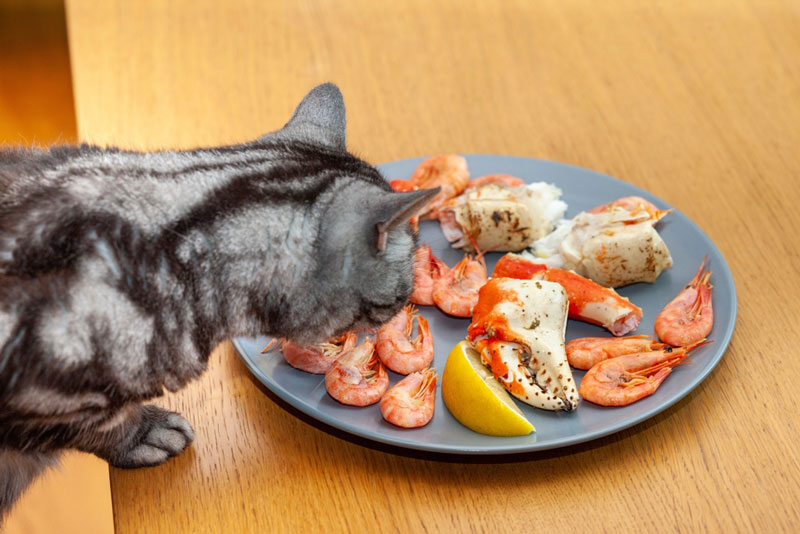
Have you ever found yourself wondering if cats can munch on shrimp tails? You might be surprised to learn that while shrimp is a tasty treat for our feline friends, the tails pose a significant question. Can cats eat shrimp tails? Unfortunately, the answer is no; shrimp tails can be hazardous to your cat’s health.
As we explore the topic further, it’s crucial to understand that shrimp can be a delightful snack for many cats, but the tails can lead to digestive issues. Cats are naturally curious creatures, and they may be tempted to nibble on anything that seems interesting, including shrimp tails. However, just because they exhibit interest doesn’t mean it’s safe for them. Let’s dive deeper into why this is the case.
By continuing to read this article, you will learn everything you need to know about feeding shrimp tails to cats. We will discuss the benefits and risks, how much is safe, and what you can substitute for shrimp tails if your cat is craving something tasty but safe. So grab a snack, make yourself comfortable, and let’s get started on this journey of feline culinary exploration!
You might also be interested in: Can Cats Eat Shrimp?
Can Cats Eat Shrimp Tails?
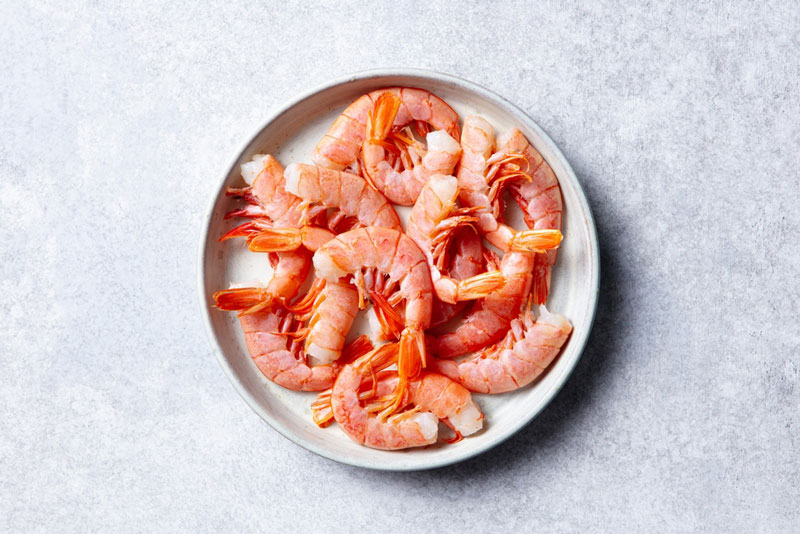
Let’s start at the forefront. Cats may be curious about shrimp tails, but they really should not eat them. The primary reason is that the tails can be tough for them to digest. Unlike the soft, delectable meat of the shrimp, the tails are hard and fibrous. Imagine trying to chew on something that’s basically like eating a tiny piece of plastic—that’s what shrimp tails can be like for your kitty.
When cats consume shrimp tails, it can lead to discomfort and health issues. They might end up with stomach upset, vomiting, or even more severe gastrointestinal issues. If a cat consumes too many shrimp tails, there’s a risk that they may obstruct their intestines. This condition, known as an intestinal blockage, can be quite serious, requiring immediate veterinary attention. The best choice is to stick to the shrimp meat and avoid tossing those tails to your furry friend.
How Much Shrimp Tails Can Cats Eat?
Now, let’s talk about the portion sizes and frequency of shrimp in your cat’s diet. If you’re planning to treat your cat with a little bit of shrimp, moderation is key. Even without the tails, shrimp should only comprise a small portion of your cat’s overall diet. Consider treating your cat to shrimp once per week rather than on a daily basis. Cats, just like us, can get tummy aches from overindulgence!
When offering shrimp, it’s best to start with a small piece, cutting it into manageable bites. Pay attention to how your cat reacts. If your furry friend shows any signs of a dislike toward shrimp, or even worse, an upset stomach after eating it, we’d recommend skipping it altogether. Our goal is to keep our beloved pets happy and healthy, beating the food blues without shrimp tails!
In terms of quantity, a friendly general rule is to offer only a teaspoon of shrimp meat for every 10 pounds of your cat’s body weight. For example, a 10-pound cat can safely enjoy a teaspoon, while a heavier cat could have a slightly larger bite. However, remember to keep the shrimp meat as a special treat, not a staple in their diet.
Benefits Of Shrimp Tails To Cats
1. First off, shrimp is a source of protein that can help support your kitty’s muscle development. Protein is crucial for cats; they need it like we need our morning coffee!
2. Shrimp also contains essential omega-3 fatty acids. These fats can promote a healthy coat, keeping your cat looking fabulous while reducing shedding. Plus, does your cat look good? You look good!
3. Shrimp can be a great option if your cat needs some extra hydration. When cooked properly, shrimp can be juicy, helping keep your cat’s fluids up. Just be sure they’re not drowning in shrimp juice!
4. There are low calories in shrimp, making it a healthy treat. It’s much better than feeding cats snacks loaded with fillers and additives. Remember, quality over quantity!
5. Finally, let’s not forget taste! Many cats absolutely love the flavor of shrimp. A little treat can brighten their day and strengthen your bond during snack time. Just make sure they stick to only the meat and leave that tiny tail behind!
Dangers Of Feeding Shrimp Tails To Cats
We’ve talked about the benefits of shrimp for your feline friends, but let’s address the risks and dangers specifically related to shrimp tails. One significant concern is choking. Those sharp little tails can cause issues for cats that might not chew their food well, especially if they are feeling extra feisty and gobbling it down.
Additionally, shrimp shells have the potential to irritate a cat’s digestive system. That hard, annoying shell can cause inflammation in your cat’s stomach and intestines, leading to vomiting or diarrhea. If left unchecked, it could even cause an intestinal blockage. That would certainly not be a fun trip to the vet!
It’s also important we mention allergies. Just like people can become allergic to certain foods, so can our kitty friends. Some cats may not tolerate shrimp or may have sensitivity to it. Signs of an allergic reaction could include itching, swelling, or gastrointestinal upset.
So next time you’re tempted to throw a shrimp tail to your furry friend, think twice! The health risks outweigh any fun your cat might have chasing it around the house. Stick to what’s safe, and you’ll both be happier in the long run!
Substitute Of Shrimp Tails For Cats
1. Cooked Chicken: If your cat is feeling a bit peckish but shrimp tails are off the menu, why not try cooked chicken? Most cats love chicken, and it’s packed with protein. Just be sure it’s plain, without any added spices, sauces, or seasonings!
2. Tuna: Another great option is tuna! Many cats will jump through hoops for tuna. Just like shrimp, this fish is high in protein! However, keep it minimal, as too much tuna can lead to mercury exposure.
3. Cooked Eggs: could be another fabulous treat for your kitty. Scrambled, boiled, or poached—cats often enjoy them. Eggs are a fantastic source of protein and beneficial nutrients.
4. Commercial Cat Treats: What about commercial cat treats? There are plenty specifically designed for our feline pals, so you can feel good about giving them something tasty without worrying over potential hazards.
5. Cat-friendly Fish Oil: Lastly, how about a little cat-friendly fish oil? It offers omega-3s, promotes a shiny coat, and can be a healthy addition to your cat’s diet. Just remember, moderation is key!
Can Cats Eat Shrimp Tails? Frequently Asked Questions
Can All Cats Eat Shrimp?
Some cats may have allergies to seafood, but many enjoy shrimp as an occasional treat. Always check with your vet if unsure.
How Should Shrimp Be Served To Cats?
Cooked shrimp, cut into small pieces, is the way to go. Avoid seasoning, and ensure it is firm yet tender.
How Often Can I Give My Cat Shrimp?
Limit shrimp to once a week as a treat. Too much seafood can be harmful.
What Other Foods Are Safe For Cats?
Most fruits and vegetables like pumpkin, carrots, and peas are safe in moderation, while meats like chicken and turkey are excellent choices.
Are There Harmful Human Foods For Cats?
Definitely! Foods like chocolate, onions, garlic, and grapes are toxic to cats. Always stay informed!
Final Thoughts
Now that we’ve explored whether our lovely cats can eat shrimp tails, we hope you feel more equipped to make the best snack options for your kitty. Remember, shrimp meat can be a fun treat, but the tails are a definite no-go. Always think about their health and safety when treating them with food! Keeping our felines happy while ensuring they stay healthy is our utmost priority.
For further information, we encourage you to read more about cat-friendly foods like can cats eat crab. Remember, there’s always something new to discover!