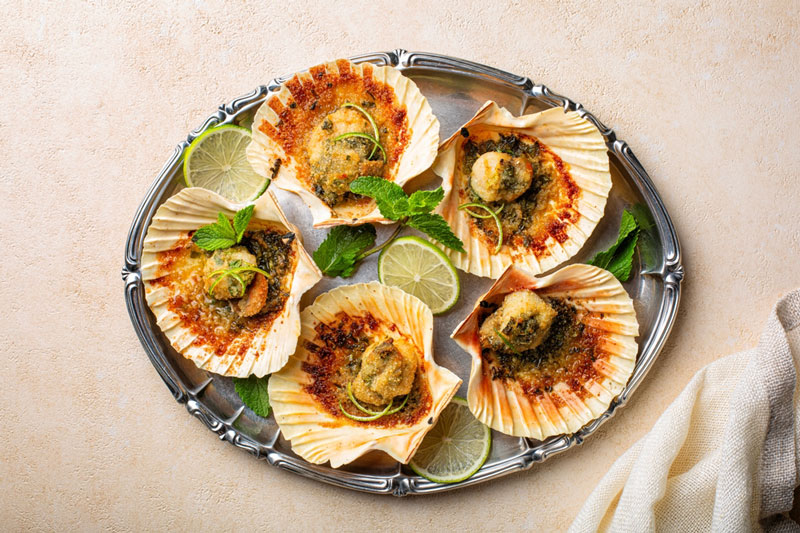
Have you ever wondered if our feline friends can nibble on delicious scallops? The short answer is yes; cats can eat scallops! But don’t rush to toss them on your cat’s dinner plate just yet. While scallops can be a tasty treat for our furry companions, there are a few important things to consider before sharing. In moderation, these little ocean gems can provide some benefits, but there are also risks involved.
As pet lovers, we always want to ensure our cats are safe and healthy while still enjoying tasty morsels. With scallops, we can treat them like the royalty they are! These seafood delights offer certain nutritional components that could be beneficial to our cats. It’s essential to look at the whole picture to give our furry friends the best experience possible.
Your curiosity about whether cats can eat scallops is just the beginning. There’s so much more to explore! From the benefits of scallops to potential risks and even substitutes, we have a broad range of information to share that will ensure your cat has a wonderful dining experience. So grab your favorite snack and read on!
You might also be interested in: Can Cats Eat Octopus?
Can Cats Eat Scallops?
Cats are obligate carnivores, meaning their bodies are designed to thrive on meat. Scallops, being a type of seafood, can fit into their dietary needs if prepared correctly. They are low in calories and high in protein, making them an appealing treat. However, it’s essential to introduce new foods into our cats’ diets with caution.
Before serving scallops to our feline friends, we should ensure they are cooked. Raw scallops may contain harmful bacteria and parasites that could lead to gastrointestinal issues. Properly cooked scallops can be a safe addition, as they become easier for our cats to digest. We should also avoid adding seasoning, as many spices and additives can be harmful to cats.
How Much Scallops Can Cats Eat?
When it comes to feeding our cats scallops, moderation is key. Treats should generally make up no more than 10% of a cat’s diet. For scallops, we can start with small pieces and see how our furry friends react. One or two small bites are a good starting point, especially if it’s their first time trying them.
Observing your cat after introducing treats is essential. If they seem to enjoy the taste and do not have any adverse reactions, you can consider offering scallops on special occasions. Many cats love these ocean delicacies, and occasional treats can spice up their regular diet!
As with any treat, we should be cautious about frequency. It’s easy to go overboard and spoil our cats with too many seafood delights, but we want to maintain a balanced meal plan. Once or twice a week is perfectly acceptable, depending on your cat’s overall diet.
In summary, while scallops can be enjoyed by cats, we must ensure we are mindful of portion sizes. Monitoring our cats closely will help us provide them with the best experience without putting their health in danger.
Benefits Of Scallops To Cats
1. High-Quality Protein: Scallops are packed with protein, which is amazing for muscle development in cats. Our furry friends need protein for energy, and scallops could be an excellent way to supplement their diet.
2. Low in Calories: For anyone looking to maintain a healthy weight for their pet, scallops are relatively low in calories. This means we can offer our cats a satisfying snack without worrying about the extra calories they could gain.
3. Omega-3 Fatty Acids: Scallops contain omega-3 fatty acids, which can help promote a shiny coat and healthy skin. Treating our cats to scallops may help them look and feel their best!
4. Rich in Vitamins and Minerals: Scallops provide essential vitamins and minerals, including B vitamins, potassium, and magnesium. These nutrients contribute to our cats’ overall health, supporting their immune system and promoting good digestion.
5. Encourages Hydration: Since scallops are seafood, they have a high water content. Including them as an occasional treat may encourage our cats to hydrate, particularly for those who do not drink enough water!
Dangers Of Feeding Scallops To Cats
While scallops can be a tasty treat, we must also be aware of potential risks. Raw scallops can carry harmful bacteria, which can cause foodborne illnesses. If we’re unsure about their freshness, it’s always best to err on the side of caution.
Allergies are another concern. Some cats may be allergic to seafood, and we should be observant for any signs of allergies, such as vomiting, diarrhea, or itching.
We must also be careful about portions. Overindulging can lead to obesity or an upset stomach. Sticking to small amounts allows us to treat our cats while ensuring they maintain a balanced diet.
In rare cases, scallops can cause gastrointestinal disturbances. Identifying how our cats react can guide us in determining whether to continue offering these treats or to explore other options.
Substitute Of Scallops For Cats
1. Cooked Chicken: If scallops don’t suit our feline friends, we can always turn to cooked chicken. It’s a lean source of protein and typically safe for cats.
2. Salmon: Another popular seafood option is cooked salmon, which provides similar benefits to scallops without the risks associated with them.
3. Tuna: Occasionally offering tuna can satisfy our cats’ cravings for seafood. Again, moderation is key since too much tuna can lead to mercury exposure.
4. Turkey: Cooked turkey can also be a great alternative! It’s another lean meat option that cats usually love.
5. Specialized Cat Treats: Sometimes, the best substitute is a treat specifically designed for cats. Many brands create seafood-flavored treats that mimic the taste of scallops without the risks associated with giving them actual scallops.
Can Cats Eat Scallops? Frequently Asked Questions
Can Kittens Eat Scallops?
Kittens have sensitive stomachs and specific nutritional needs, so it’s best to avoid giving scallops to very young cats. Wait until they are older and have a more developed digestive system.
How Should I Prepare Scallops For My Cat?
Always cook scallops until they are fully done. Avoid seasoning them or adding butter. Plain, boiled, or grilled scallops without any additives are the safest options.
What Should I Do If My Cat Has A Reaction To Scallops?
If you notice any symptoms like vomiting, diarrhea, or itching after giving your cat scallops, it’s best to consult a veterinarian right away. They can provide guidance on how to treat your pet.
Are There Other Seafood Options For Cats?
Yes! Other seafood options include shrimp, fish, and even certain types of shellfish. Just ensure they are well-cooked and served in moderation.
Can I Feed My Cat Scallops Every Day?
Feeding scallops daily isn’t recommended. Treats should be limited to about 10% of your cat’s overall diet, so keep it special and offer them just occasionally.
Final Thoughts
Giving our cats the occasional scallop treat can be a delightful way to spice up their diet, as long as we pay attention to portion control and preparation. With the right precautions and understanding of the benefits and risks, we can safely share these tasty morsels with our furry friends.
As we look for other wonderful ways to pamper our cats, let’s explore other topics as well! Check out the importance of keeping white chocolate away from our pets in this insightful article. And of course, there’s a wealth of more great pet information on our blog homepage to explore!