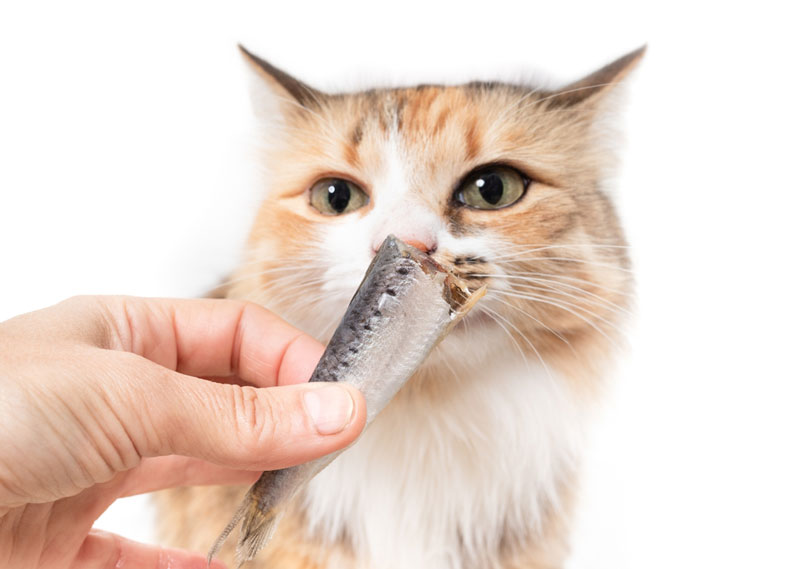
Have you ever wondered if your furry friend can enjoy a tasty treat like sardines? Well, the answer is yes, cats can eat sardines! These small fish are not just delicious; they can also be a nutritious snack for our feline companions. But before we dive into how to serve sardines to our cats, let’s explore the advantages and some important points to keep in mind.
Many cats go absolutely wild for fish, and sardines are no exception! They are packed with omega-3 fatty acids, which not only make them tasty but also support your cat’s overall health. If we think of sardines as a special treat rather than a meal replacement, we can allow our pets to enjoy the delicious flavors without compromising their balanced diets. So, are you ready to learn more about serving these fishy delights to your furry friend?
Continue reading as we uncover everything you need to know about feeding sardines to cats, from the right portion sizes to the potential benefits and risks. We’re here to ensure that your cat enjoys everything that these little fish have to offer safely!
You might also be interested in: Can Cats Eat Sashimi?
Can Cats Eat Sardines?
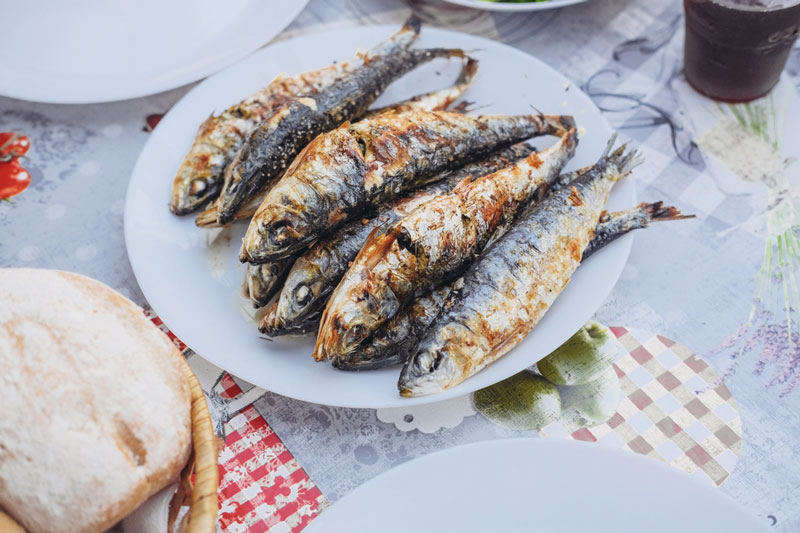
Cats are obligate carnivores, which means they need a diet rich in animal protein to thrive. Sardines fit perfectly within their diet! These little fish are not only tasty, but they also offer an array of nutritional benefits that are great for our feline pals. Fresh or canned, sardines can be a delightful treat! However, it’s essential to consider how they are prepared. If we’re considering canned sardines, look for those packed in water rather than oil or sauce, as extra ingredients can sometimes be harmful to cats.
One of the best aspects of sardines is their high levels of omega-3 fatty acids, which help improve a cat’s coat, skin, and overall heart health. Extra bonuses include calcium, which contributes to strong bones and teeth. Plus, cats often enjoy the fishy taste, making sardines an enticing option. However, it is important to remember that while sardines can be a delicious treat, they should not entirely replace a well-balanced diet of cat food.
How Much Sardines Can Cats Eat?
When it comes to feeding sardines to our cats, portion sizes are crucial. Too much of a good thing can quickly turn into a problem. Generally, a few sardines a week can be a great way for our pets to enjoy the benefits without overdoing it. For smaller cats, half a sardine should be sufficient, while larger cats might enjoy a whole sardine. It’s always best to start with small amounts and gradually increase based on how our cats react to this fishy treat.
If you’re introducing sardines for the first time, closely observe your cat for any signs of upset stomach or allergic reaction. If your pet enjoys sardines and shows no negative reactions, keeping sardines as an occasional treat can keep meal times exciting. Just remember that if your cat tends to gain weight easily, it’s best to limit treats like sardines to ensure they stay healthy. A little exploration helps us find the right amount that works best for our unique feline friends!
Feeding sardines too often or in large portions can lead to imbalances in their diet. We aim for a balanced routine that includes plenty of quality cat food, fresh water, and only occasional special treats like sardines. Remember, moderation is key to keeping our cats happy and healthy!
Lastly, if you’re ever unsure about how much sardines to offer, consulting with a veterinarian is a smart move. They can provide personalized recommendations based on your cat’s specific needs and dietary requirements.
Benefits Of Sardines To Cats
1. Omega-3 Fatty Acids: First and foremost, sardines are a rich source of omega-3 fatty acids. These fats are beneficial for our cats’ heart health and can also help reduce inflammation. Cats may sometimes suffer from allergies or skin irritations, and omega-3s can often contribute to improved skin condition and a shiny coat. We all love to see our feline friends looking their best!
2. Protein Content: Another fantastic benefit of sardines is their protein content! Protein is a vital component for our cats, supporting everything from energy levels to muscle growth. When our pets eat sardines, they receive a protein boost that complements their regular cat food. This can be especially helpful for our active kitties who need extra protein for their playful antics!
3. Vitamins B12 and D: Sardines are also a great source of vitamins such as B12 and D. These vitamins are important for maintaining good energy levels and overall wellness in our furry companions. Our felines require these nutrients for proper metabolic functions and a healthy immune system.
4. Taste: Let’s talk about taste! Cats often find sardines irresistible! By providing a treat that they actually enjoy, we’re not only improving their diet but also creating joyful moments during mealtime. Treating our cats to something they love can make our bond even stronger!
5. Source of Hydration: Finally, sardines can be an excellent source of hydration, particularly if they are packed in water. Staying hydrated is crucial for our cats, given their natural tendency to sometimes not drink enough water. Over time, offering sardines can encourage better hydration habits while also tantalizing their taste buds!
Dangers Of Feeding Sardines To Cats
Oh, but it’s not all fishy fun! As with any treat, there are a few things to watch for when offering sardines to our kitties. One of the significant risks is the presence of bones in sardines. While these fish generally have soft bones that can be eaten, it’s wise to double-check for any sharp or larger pieces that could pose a choking hazard. Slow and steady wins the race—take your time to prep these little fishies properly!
Another point to consider is sodium content. Many canned sardines contain added salt, and while a little sodium isn’t harmful, too much can lead to health problems for our cats, especially those with existing conditions. Always check the labels, look for those with no added salt, and choose sardines packed in water to keep it safe.
Allergies can also be a concern! Some cats may not react well to fish or may even develop allergies over time. If this is the case, we will want to keep an eye out for any adverse reactions and consult our vet if we have any concerns. We want our pets to enjoy their treats, but we also want to keep them healthy!
Lastly, if our furball is prone to pancreatitis or obesity, we should be careful with how many sardines we offer. These fish are high in fats, and moderation is key to ensuring our furry friends remain healthy and fit. Understanding our pets’ health conditions and maintaining open communication with our veterinarians can help us make the safest choices.
Substitute Of Sardines For Cats
1. Tuna: If sardines aren’t an option, tuna can be a great alternative for our feline companions! Many cats adore tuna just as much as they do sardines. However, similar caution should be exercised regarding portion sizes and frequency to avoid any potential issues.
2. Salmon: Another fishy option could be salmon. Just like sardines, salmon is packed with essential fatty acids. We can prepare it by cooking or offering it canned in water. Make sure to remove any bones and avoid using seasonings that could be harmful to our pets.
3. Chicken: For a completely different protein source, we might consider chicken. Cooked, plain chicken breast can be appealing to many cats. It’s a lean meat packed with protein and easily digestible. This could be a great substitute if we want to give our pets a special treat that’s not fish-based!
4. Commercial Cat Treats: Another option could be commercial cat treats that include fish or seafood flavors. These treats are often specially formulated for feline health and can be a safer way to satisfy our cats’ taste for fish while ensuring they receive proper nutrition.
5. Freeze-dried Fish Treats: If all else fails, we can explore single-ingredient freeze-dried fish treats. These treats don’t include any additives and thus, provide a fishy crunch that many cats enjoy. They can be a safer alternative to fresh or canned fish, as they are designed specifically for our furry friends.
Can Cats Eat Sardines? Frequently Asked Questions
Can I Feed My Cat Sardines Every Day?
While sardines are a nutritious treat, they shouldn’t be a daily part of your cat’s diet. Treats should be an occasional addition, ideally a few times a week.
What About Smoked Or Flavored Sardines?
Avoid smoked sardines or those with added flavors, as these can contain preservatives and ingredients that are harmful to cats. Opt for plain and natural options instead.
Can Kittens Eat Sardines?
Introducing sardines to kittens should be done with caution. Always consult with your veterinarian before introducing new foods into their diet.
Will Sardines Give My Cat Gas?
Some cats may experience digestive upset with new foods. If you notice your cat has gas or diarrhea after eating sardines, it’s best to avoid them.
How Do You Prepare Sardines For Cats?
Simply rinse them to remove excess salt and serve them in small amounts. Ensure there are no bones present to prevent choking.
Final Thoughts
Feeding our cats sardines can be a delightful experience for both us and our furry friends. These tiny fish offer nutritional benefits and can bring joy to our kitty’s lives. But like anything, moderation is essential. Keeping an eye on portion sizes, making sure our selections are safe and free of harmful additives, and always consulting with our veterinarians will help ensure our cats enjoy their sardine feasts without worry.
If you’re looking for even more information on the care and feeding of our beloved pets, check out this interesting article on pet health tips. We can even explore if cats can eat salmon raw. There’s so much to learn when taking care of our loyal companions!