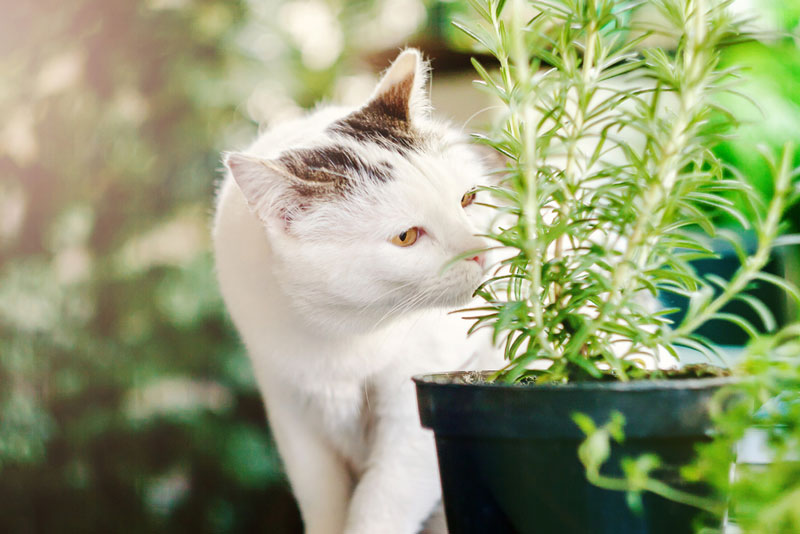
enhancing their mealHave you ever wondered if cats can eat rosemary? If you have, you are not alone! Many pet owners are curious about what foods are safe for their furry friends. The good news is that rosemary is generally considered safe for cats when given in small amounts. However, like with any herb or food, moderation is key. While rosemary does have some health benefits, it is always wise to keep an eye on our pets and consult a veterinarian if we have questions.
Rosemary is an aromatic herb that often finds its way into our culinary dishes. It’s fascinating to think about how a plant that adds flavor to our meals might also have an effect on our cats. This herb has been traditionally used for its potential medicinal properties. People have reaped its benefits for years, and now it’s time to see how it relates to our feline companions. A little knowledge goes a long way in ensuring that our pets remain healthy and happy, so let’s explorerow that a bit together!
So, if you’re curious about what rosemary can do for our kitties or the precautions we should take, stick around! This article will provide essential information about whether rosemary is safe for cats, how much they can consume, its benefits, possible risks, substitutes, and frequently asked questions. The health and wellbeing of our pets is vital, and we’re here to help!
You might also be interested in: Can Cats Eat Thyme?
Can Cats Eat Rosemary?

When it comes to rosemary, the question we often ask ourselves is whether our beloved cats can safely consume it or not. The answer is, yes, cats can eat rosemary in moderation. This herb is generally safe for feline companions and can even provide some benefits when offered in small quantities. However, it is important to note that not all cats will react the same way to rosemary. Just like humans, each cat can have its unique sensitivities. So while one cat might enjoy a taste of rosemary, another cat might experience an upset stomach.
Rosemary contains some compounds that can be beneficial for our furry friends, such as antioxidants and anti-inflammatory properties. Many people use it for its culinary advantages and its potential health benefits. However, moderation is key, as too much of anything can lead to trouble. Cats are obligate carnivores, meaning that meat should be the focus of their diets. Therefore, while rosemary can be a flavorful addition to treats occasionally, it shouldn’t take the place of their crucial nutrient needs.
How Much Rosemary Can Cats Eat?
When offering rosemary to our cats, it is crucial to consider how much is appropriate. Since cats have small digestive systems, we should always start with just a tiny pinch. One leaf of fresh rosemary or a sprinkle of dried rosemary is usually enough to gauge how our cats will react. Monitoring them closely after their first taste is important. If they appear to enjoy it without ill effects, we can continue to offer rosemary as an occasional treat.
Just remember, moderation is key. Our cats’ diets primarily consist of meat, and they require specific nutrients that animal-based proteins provide. Rosemary should never be substituted for their regular meals. An occasional taste or sprinkle here and there will suffice. If our cats show any signs of discomfort, such as vomiting, loose stools, or lack of appetite, it’s best to discontinue feeding rosemary altogether and consult a veterinarian for advice.
We know that cats can be picky eaters, so introducing new flavors should always be done cautiously. By only offering a small amount and waiting to see how they react, we can avoid any stomach upset or negative reactions. It is better to err on the side of caution; if in doubt, we should always consult our veterinarian to discuss the best dietary practices for our furry pals!
Benefits Of Rosemary To Cats
1. Antioxidants: Rosemary is packed with antioxidants! These powerful compounds help combat free radicals in our pets’ bodies, which can lead to cell damage. Antioxidants are essential for maintaining overall health and may potentially help with longevity.
2. Anti-inflammatory Properties: The aromatic compounds in rosemary can be beneficial as well. They might provide certain anti-inflammatory properties. This means that a little rosemary in our cats’ diets may assist with minor inflammation or discomfort, much like it can in humans!
3. Improved Digestion: Rosemary has been linked to improved digestion. For cats who sometimes face digestive challenges, a small amount of this herb can help promote a healthy gut. It might stimulate appetite and aid digestion, making it easier for our furry friends to process their food.
4. Antimicrobial Properties: Some studies indicate that rosemary may also have antimicrobial properties. This can support our cats’ immune systems, especially if they are exposed to environments where bugs and germs can thrive. Keeping our pets healthy is always a top priority!
5. Enhance Meal: Finally, let’s not forget that rosemary is delicious! Cats can tire of their regular diet, and sprinkling a little rosemary onto their food can be a tasty surprise. You’re enhancing their meal, and you’ll likely see their faces light up in delight when they experience this new flavor.
Dangers Of Feeding Rosemary To Cats
While there are benefits to offering rosemary to our cats, we must also recognize the potential risks involved. Even if rosemary is generally safe, it is essential to be aware of how it could affect our furry friends. One of the primary concerns is allergies. Just like humans can be allergic to certain foods, cats can have sensitivities to herbs. Before incorporating rosemary into their diets, we should monitor them closely for any signs of allergic reactions, such as itching, swelling, or gastrointestinal upset.
Another risk to consider is the concentration of rosemary. While adding a small amount is usually safe, offering excessive amounts can lead to digestive irritation. Cats may not react well to an overload of herbs and could experience symptoms like diarrhea or vomiting. It’s crucial that we stick to the recommended amounts, starting small and only gradually increasing if needed.
Additionally, rosemary essential oil should never be used on or around cats. Unlike the culinary herb, essential oils are highly concentrated and can be toxic for our cats. Ingesting or inhaling essential oils can cause vomiting, difficulty breathing, or even more severe reactions. Hence, it’s essential to be clear that we are only talking about fresh or dried rosemary used in cooking, not essential oil.
Lastly, if we have an elderly or ill cat, it’s best to consult a veterinarian before introducing any new foods, including rosemary. Older cats or those with specific health conditions may have more sensitive digestive systems that cannot handle even small amounts of new ingredients. Our pets depend on us for their care, and health should always be our priority!
Substitute Of Rosemary For Cats
1. Parsley: This is a fantastic herb that can make a great substitute for rosemary. It is generally safe for cats in small amounts. Parsley can provide some similar flavors and benefits while being gentle on our pets’ tummies.
2. Catnip: the classic favorite, is an option too! While catnip does not taste like rosemary, it can offer our cats a fun and stimulating experience. Most cats love catnip, and it can allow for playful moments while being a delightful treat.
3. Fresh Mint: This can also be appealing to our cats! It’s safe in moderation and brings a pleasant aroma. Mint can easily revitalize our pets’ meals, making them more exciting and flavorful without introducing any risks.
4. Thyme: This is another herb that could be a great alternative. It is mild and safe for cats in small quantities. Thyme carries its own unique flavor, and adding some can bring variety to their meals.
5. Chicken Broth: Finally, we can also consider chicken broth. While not an herb, adding a splash of low-sodium chicken broth to our cats’ food can enhance flavor and digestion. Cats love the taste of broth, making it a great way to encourage them to eat while still being nutritious!
Can Cats Eat Rosemary? Frequently Asked Questions
Can All Races Of Cats Consume Rosemary?
Most cats can consume small amounts of rosemary, but some breeds may have more sensitive digestion than others. Always check with your vet if you have concerns.
Can My Cat Have Rosemary Essential Oil?
Absolutely not! Essential oils are highly concentrated and can be toxic for cats. Stick to fresh or dried rosemary.
What Should I Do If My Cat Eats Too Much Rosemary?
If you suspect your cat has consumed too much rosemary, monitor for symptoms like vomiting or diarrhea, and contact your veterinarian right away.
How Can I Introduce Rosemary To My Cat?
Start with a small amount, such as a pinch of dried rosemary or a fresh leaf. Observe their reaction before continuing.
Are There Any Benefits Of Rosemary For Cats?
Yes, rosemary can provide antioxidants, support digestion, and even has antimicrobial properties! Moderation is critical!
Final Thoughts
Understanding what’s best for our pets can sometimes be overwhelming. Fortunately, when it comes to rosemary, we’ve learned that cats can safely enjoy it in moderation. We’ve gathered some valuable insights into how to introduce it to our cats, the benefits it can provide, and the risks that come with it. We’ve also looked at other safe substitutes we can offer them that add variety to their diets.
Ultimately, our pets rely on us to keep them healthy and happy. Keeping an open dialogue with our veterinarians will allow us to make the best choices for our furry family members. So whether it’s a sprinkle of rosemary or a pinch of parsley, let’s continue to seek out flavors and ingredients that enhance their meals! Interested in reading more topics on keeping your pets healthy? You can check out our blog or discover the impacts of cats and peppermint. Let’s always look out for the happiness and health of our feline friends!