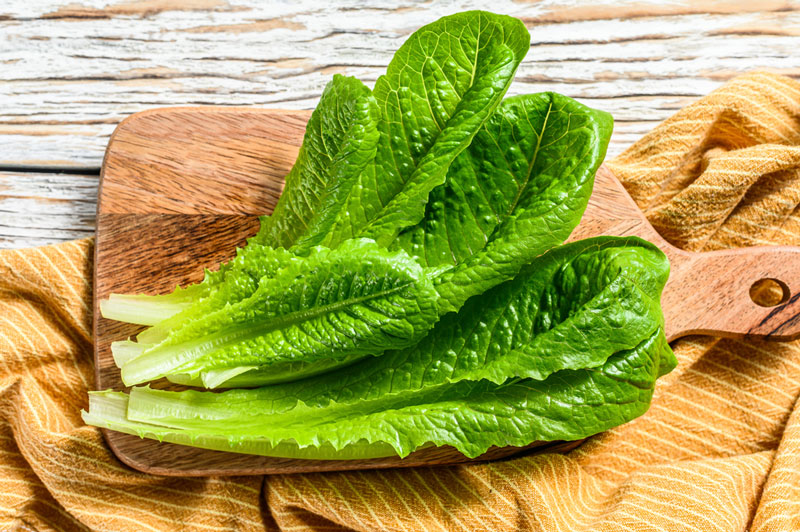
Can cats eat romaine lettuce? This is a question many cat owners find themselves asking, often while wondering if their furry friends really can enjoy a taste of our favorite salad greens. The short answer is yes, cats can eat romaine lettuce! But does that mean we should serve it up with their kibble? Let’s explore this topic further together.
Romaine lettuce is a crispy green that many of us love munching on in salads. Interestingly, it has some benefits for our feline friends as well! While cats are obligate carnivores, which means they primarily need meat in their diets, a small amount of romaine lettuce could offer some hydration and variety to their overall food intake. It certainly doesn’t hurt to find out more about this crunchy leafy green, so let’s dive in and discover what you need to know.
Stick around and read on to learn all about feeding romaine lettuce to our furry companions, including how much they can have, the potential benefits, and any risks we should consider. By understanding all angles, we can make informed decisions that keep our pets healthy and happy!
You might also be interested in: Can Cats Eat Spinach?
Can Cats Eat Romaine Lettuce?
We love to explore the diets of our feline companions! One question that often comes up is whether our cats can safely munch on romaine lettuce. The answer is yes; they can! However, we have to keep a few things in mind. Cats, in general, are carnivores, meaning they get most of their nutrients from meat. This means that while romaine lettuce won’t hurt them, it shouldn’t replace their regular cat food that’s made with meat, vitamins, and minerals essential for their health.
Romaine lettuce is low in calories and packed with water, making it a great option for hydration, especially on a hot day. It contains fiber, which can support healthy digestion. We can chop it up into small, manageable pieces to make it easier for our cats to nibble on, just be sure to wash it thoroughly to remove any pesticides or dirt. This is super important for keeping our feline friends safe.
But why would we want our furry pals to nibble on greens in the first place? Cats can eat greens because it can provide some enriching and fun experiences! It’s like a mini salad bar for them. Just like we enjoy trying new foods, they can enjoy a new treat from time to time. And who knows? Some might even love the crunch of the lettuce and find it an exciting addition to their snacks.
How Much Romaine Lettuce Can Cats Eat?
When it comes to portion sizes, moderation is key! Although romaine lettuce is safe for our feline friends, it is essential to give it in small amounts. A piece that is a few inches long should be plenty to start with, allowing our cat to taste-test it without overwhelming their system. Think of it as a tiny treat rather than a full meal.
Offering romaine lettuce as a rare snack is a good idea—say once a week at most—rather than incorporating it daily. Remember, our furry friends thrive on balance, and too much of anything that isn’t a meat-based food could lead to tummy troubles. If we notice any unusual behavior or digestive issues after offering the lettuce, it’s best to back off. Always listen to our pets—they’ll let us know if they’ve had enough, even if they are a bit more subtle than our human friends!
A lot of cat owners wonder if there’s a specific amount of greens their kitty can eat without any fuss. While there’s no hard and fast rule, each cat is unique. Some may nibble away at their little piece of lettuce with gusto, while others may sniff it and walk away. That’s perfectly normal! We might be surprised to find out that just a small piece in the beginning can be enough. Take it easy and introduce it slowly!
We can also keep an eye on their reaction to it. If they enjoy it and seem to handle it fine, we could offer them more on occasion. Additionally, remember to check after we try new foods for any signs of allergies or intolerance. If all goes well and our fluffy friends engage happily with a little bit of lettuce, we have successfully added a fun and healthy snack!
Benefits Of Romaine Lettuce To Cats
1. Hydration: Romaine lettuce is composed mainly of water, which can help in keeping our furry friends hydrated. Dehydration can be an issue for cats, particularly if they don’t drink as much water as we would like. Adding a tiny piece of lettuce can provide some extra moisture to their diet without them realizing it!
2. Low Calorie: For those cats that seem to be always begging for food, giving them a little romaine lettuce is a good way to fill their bellies without adding extra calories. Lettuce is very low in calories, so if we have a pudgy kitty who demands treats, this can be an excellent snack option that won’t spoil their dinner.
3. Fiber for Digestion: The fiber present in lettuce can help support our cat’s digestive health. Just like humans can sometimes use fiber to help with digestion, it can also aid our felines. A little fiber can help prevent hairballs or constipation, particularly for those fluffy cats that are prone to such issues. Isn’t that a win-win?
4. Nutrients: Romaine lettuce contains small amounts of vitamins and minerals as well. While it shouldn’t replace their medications or supplements, it can provide a touch of variety to their diets. Even though cats get most of their nutrients from meat, it’s nice to know that offering some lettuce brings a small bit of nutrition, such as vitamin A and K.
5. Mental Stimulation: Let’s face it. Cats can get bored with the same treats and meals. Introducing different snacks can engage their senses and keep them curious. Offering a crisp piece of lettuce can lead to playful interactions as they nibble and explore something new. Keeps them mentally sharp, which is important for all kitties!
Dangers Of Feeding Romaine Lettuce To Cats
While we’re on the topic of giving our cats the green light to nibble on some romaine lettuce, let’s not forget that there can be a few risks we need to be mindful of too. These little guys might be more curious than cautious! There are a couple of reasons to tread lightly when it comes to feeding them greens.
One of the primary concerns is that not all cats react to lettuce the same way. Some kitties might take to it like a champ, while others may experience digestive upset. We should pay close attention if we introduce it to them for the first time. If we spot any odd behavior like vomiting or diarrhea, it’s best to remove the lettuce immediately!
It’s also essential to consider the variety and quality of the lettuce. Dirty lettuce or that which has been treated with chemicals can cause issues. We wouldn’t want our furry friends to ingest pesticides or fertilizer, so it is crucial to wash any romaine lettuce we decide to offer them. Only quality organic produce should be given to our cats to lower any risk of pesticide-related illnesses.
In general, offer romaine lettuce as a snack and not a main course. A diet that is heavily based on greens could lead to nutrient deficiencies over time, given that cats require a significant amount of protein from animal sources. It could also disrupt the balance of their digestive system and throw off their gut health.
Certain cats have very sensitive stomachs or dietary restrictions that might not tolerate even the slightest change in food, so always proceed with caution. It’s always best to consult with our veterinarians if we ever find ourselves uncertain about introducing new snacks or making changes to our cat’s diet. Keeping their health and happiness in check is our priority!
Substitute Of Romaine Lettuce For Cats
1. Cat Grass: We might also want to consider cat grass as a fantastic substitute for romaine lettuce. It is specifically grown for cats and is safe for them to chew on. Cat grass can aid with digestion while giving the same crunch and fun experience as lettuce. Plus, many cats absolutely love it!
2. Cooked Vegetables: Steamed or boiled vegetables such as carrots or peas can be other options. Cats might appreciate the soft texture if cut into small pieces. It’s a change they might love! Always ensure they are fresh and not seasoned.
3. Green Beans: Green beans are an awesome substitute as well! They are also low in calories, great for hydration, and provide a crunchy texture that many cats enjoy. We can serve them raw or cooked. Just remember to cut them small!
4. Pumpkin: Don’t forget about pumpkin! Canned pumpkin (plain and unsweetened) can offer a lot of benefits, including fiber to aid digestion and keep our kitties regular. Just make sure we don’t use the spiced and sweetened versions because those additives are not meant for cats.
5. Small Amounts of Fruit: Lastly, some cats may enjoy small pieces of fruits like melon or blueberries. Cats typically don’t need extra sugar, but a hint of juicy sweetness is a delightful treat now and then, as long as we pay attention to their reactions and keep the portions small. Variety can keep mealtime exciting!
Can Cats Eat Romaine Lettuce? Frequently Asked Questions
Is Lettuce Safe For All Cats?
While cats can generally eat romaine lettuce, it’s wise to introduce it slowly and watch for any adverse reactions. Cats with specific health concerns should consult a veterinarian before trying new foods.
Can Kittens Eat Romaine Lettuce?
Kittens are still developing and should primarily stick to a high-quality kitten food. Though it may be tempting to give them a taste, it’s best to wait until they are older and have a more developed digestive system.
What If My Cat Refuses To Eat Romaine Lettuce?
If our kitty isn’t interested in romaine lettuce, that’s perfectly okay! Cats have their favorites — just like we do! We don’t want to force them; instead, we could try offering them other veggies or substitutes to see what they might enjoy.
How Should I Prepare Romaine Lettuce For My Cat?
Always wash romaine lettuce thoroughly to remove pesticides or chemicals. We can then chop it into small, digestible pieces before offering it to our kitty. Presentation can go a long way!
Can Romaine Lettuce Cause Any Health Issues For My Cat?
While it’s generally safe, some cats may experience digestive discomfort after eating romaine lettuce. Watch for any signs of upset stomach or unusual behavior, and consult a vet if concerns arise.
Final Thoughts
It’s exciting to discover that our whiskered companions can enjoy a bit of romaine lettuce now and then! While cats primarily thrive on meat, including a little treat of lettuce can add variety and hydration to their diets. It’s essential to remember that moderation is key, and not all cats will enjoy or dig it.
Keeping our feline friends happy and healthy is what it’s all about. By listening to their needs and providing them with treats in appropriate amounts, we can help make their lives a delicious adventure! Let’s keep exploring more pet nutrition topics! For additional ideas on cat health and diet, check out this article about cats and chives. Let’s make every meal a fun and nourishing experience!